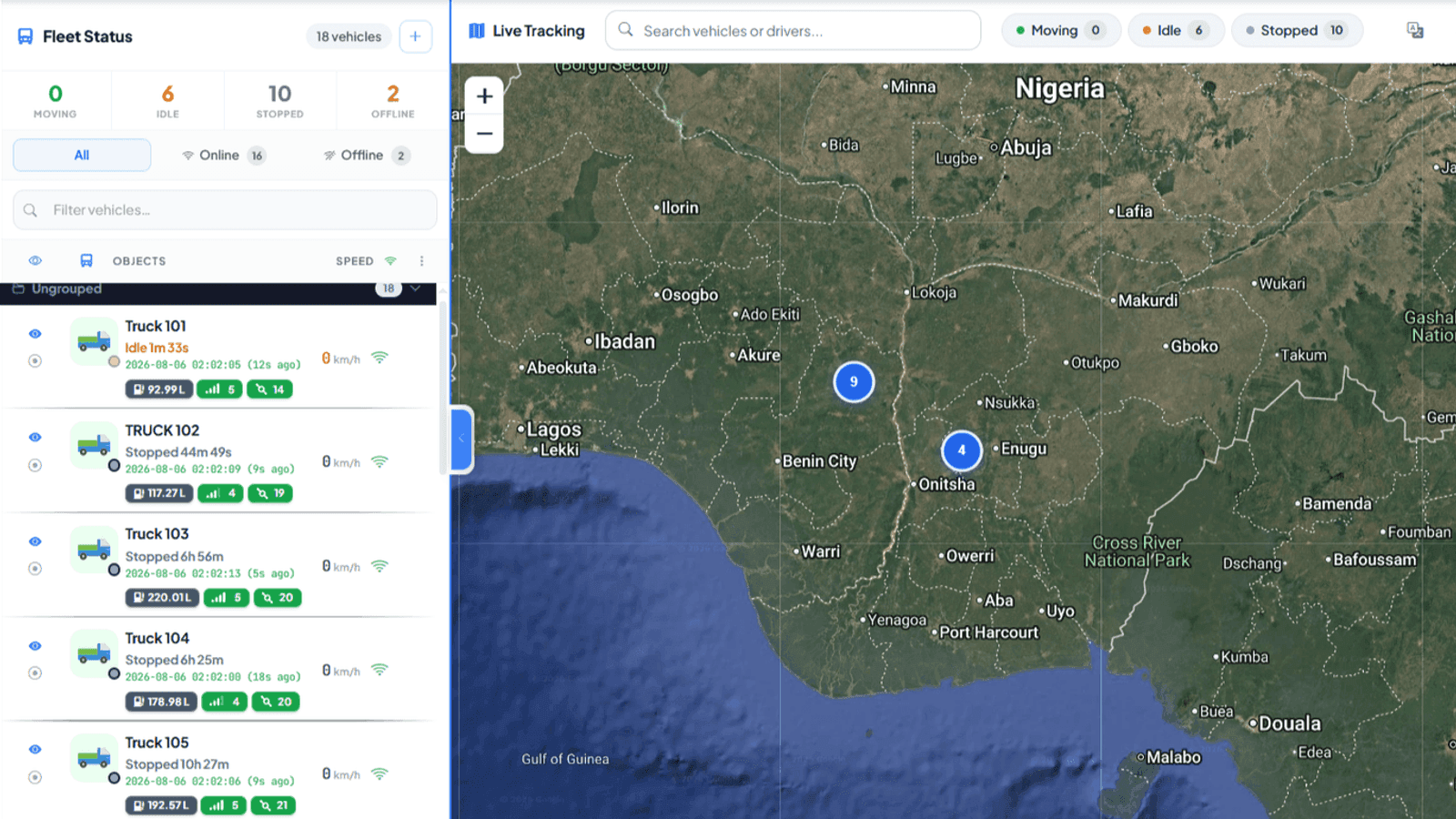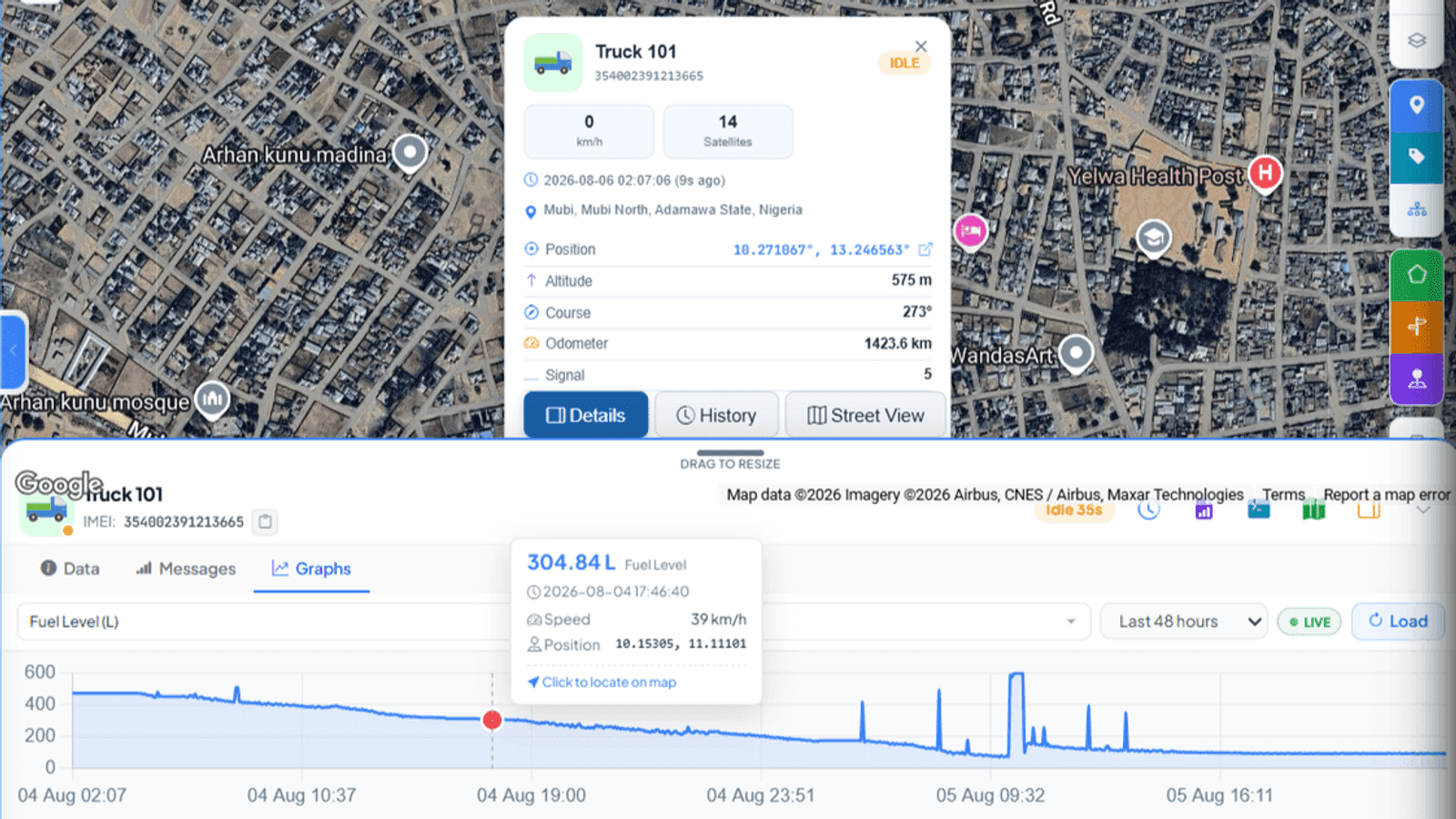
A standard GPS tracker can tell you where a vehicle is, where it has been, and whether the ignition is on. What it cannot tell you is whether the person behind the wheel is treating your asset with care, or quietly driving it toward an expensive breakdown.
For companies managing commercial fleets and businesses renting vehicles to the public, that distinction directly affects the bottom line. Knowing where your vehicles are is basic security; knowing how they are being driven is operational control.
Today, driver behaviour monitoring is no longer an enterprise luxury reserved for massive logistics corporations. It has become an essential safeguard for any business that relies on vehicles to generate revenue.
Why basic GPS tracking is no longer enough
Every day, business vehicles face wear and risk that never show up on a standard live map.
Consider two drivers operating identical vehicles on the same route. One respects speed limits, anticipates traffic smoothly, and avoids unnecessary engine idling. The other accelerates aggressively from every stop, brakes hard at the last second, takes corners too fast, and leaves the air conditioning running while parked for an hour.
On a basic GPS tracking screen, both vehicles look completely normal. Yet over a few months, the difference in operating cost is substantial. Poor driving habits quietly drain profitability through:
- Excessive fuel consumption caused by aggressive throttle inputs, high-speed cruising, and prolonged idling.
- Premature component wear on brake pads, tyres, clutches, and suspension systems.
- Higher repair bills and unplanned downtime that keep revenue-generating vehicles stuck in the workshop.
- Elevated accident exposure, third-party liability, and contested insurance claims.
- Unauthorised or reckless usage outside company policy or rental terms.
- Disputes after incidents when managers, drivers, or rental customers offer conflicting accounts of what happened.
| Operational area | Basic GPS tracking | Driver behaviour monitoring |
|---|---|---|
| Visibility | Shows vehicle location, route, and speed snapshots | Tracks driving habits, G-force events, and trip quality |
| Maintenance | Reactive repairs after parts wear out or fail | Proactive servicing based on actual driving stress |
| Fuel control | Estimates distance travelled | Identifies harsh acceleration, speeding, and idle waste |
| Accountability | Relies on driver explanations after an incident | Provides time-stamped, objective telematics event logs |
| Asset protection | Helps recover a stolen or missing vehicle | Prevents day-to-day mechanical abuse before damage occurs |
According to the World Health Organization, approximately 1.16 million people die each year as a result of road traffic crashes, and the same fact sheet names speeding among the key risk factors. For any organisation, putting a vehicle on the road carries both financial and safety responsibilities.
What driver behaviour monitoring actually tracks
Driver behaviour monitoring combines high-precision telematics hardware, built-in motion sensors, and configurable threshold logic to detect unsafe or inefficient driving in real time.
Depending on the vehicle class and hardware setup, a properly configured fleet management system tracks five core metrics:
- Harsh braking: flags sudden, high-deceleration stops that typically point to tailgating, distracted driving, or poor road anticipation.
- Harsh acceleration: detects rapid, aggressive throttle surges that burn excess fuel and strain the engine and transmission.
- Harsh cornering: measures sharp lateral G-force during turns that accelerates tyre wear, shifts cargo, and increases rollover risk.
- Overspeeding: compares real-time vehicle speed against road limits or custom company thresholds to catch habitual speeders.
- Excessive idling: logs extended periods where the engine runs while the vehicle is stationary, so avoidable fuel burn and engine hours can be eliminated.
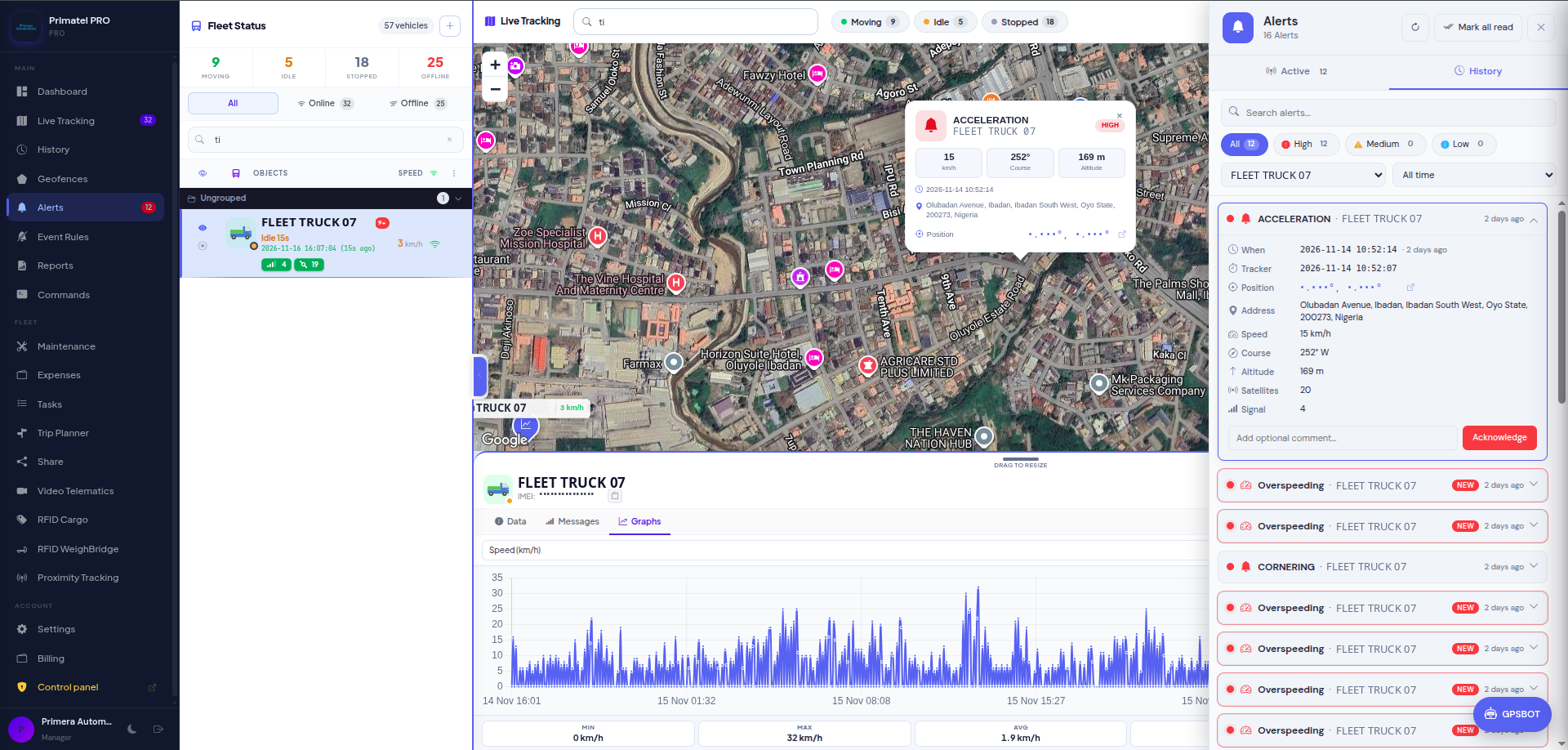
Why context matters more than isolated alerts
Effective fleet management is not about penalising drivers over a single notification. A driver may brake firmly once to avoid a pedestrian or a sudden obstacle. That is defensive driving, not recklessness.
The real power of driver behaviour monitoring lies in pattern analysis. Reviewing event frequency, road location, speed profiles, and trip trends over weeks and months separates one-off road emergencies from habitual bad driving.
One hard stop is a driver avoiding trouble. Thirty a week is a habit, and habits cost money.
The hidden risk for car rental businesses
While corporate fleets manage a known team of staff drivers, car rental operators face a much sharper vulnerability: handing high-value vehicles to dozens of different customers over short rental cycles.
Once a rental vehicle leaves your premises, direct oversight disappears.
Consider a familiar scenario: a customer rents an SUV or executive saloon for three days. Throughout the trip, the vehicle is pushed through repeated overspeeding, hard launches, and late braking. When the car returns, a visual walk-around inspection shows clean bodywork and no dents.
On paper, the handover looks fine. Underneath, brake pads have been glazed, suspension bushings stressed, and the engine pushed hard, leaving the rental company to absorb the repair bill weeks later.
With driver behaviour monitoring integrated into every rental unit, operators gain objective visibility into every contract window:
- Time-stamped usage records: maintain a factual log of how each vehicle was handled during a specific customer's rental period.
- Early abuse detection: receive instant alerts when a rental vehicle is subjected to extreme speeding or reckless manoeuvres.
- Evidence-backed dispute resolution: support damage claims, deposit deductions, or incident investigations with verifiable telematics data.
- Targeted post-rental inspections: flag vehicles that experienced aggressive driving for immediate mechanical checks before the next customer takes the keys.
- Stronger customer accountability: reinforce rental agreements with clear terms governing safe vehicle operation.
For car rental companies, this is not about intruding on a client's trip. It is about protecting expensive assets, ensuring fair usage, and keeping every vehicle safe for the next renter.
How Primera Automations implements intelligent monitoring
At Primera Automations, we design vehicle tracking solutions around operational intelligence, not just dots on a map.
We deploy industrial-grade telematics hardware from Teltonika, including the FMB920 and FMC920, selected and configured to match your vehicles and operating routes. Using built-in accelerometers and customisable event logic, these devices deliver accurate monitoring across:
- Harsh acceleration, harsh braking, and harsh cornering events.
- Customisable overspeeding limits and instant alert notifications.
- Ignition state, trip history, and excessive idling detection.
- Optional in-cabin buzzer alerts that warn drivers the moment an unsafe threshold is crossed.
Hardware matched and calibrated to your fleet
Choosing the right hardware is only the first step. The Teltonika FMC920 provides 4G LTE Cat 1 connectivity with automatic 2G fallback for broad, future-ready network coverage, while the Teltonika FMB920 delivers proven, dependable 2G telematics performance.
Before deployment, our technical team evaluates your coverage requirements, vehicle electrical systems, and fleet profile. Just as importantly, we calibrate sensitivity thresholds to match each vehicle class, so that a light rental saloon and a loaded commercial truck are measured against realistic, accurate baselines rather than generic factory defaults.
A platform built for clear decisions
Hardware generates the data; our fleet intelligence platform makes it actionable. Through Primera Automations' web and mobile platform, business owners and fleet managers can audit trip histories, review driving events, track idling hours, and export clear performance reports without chasing drivers for explanations.
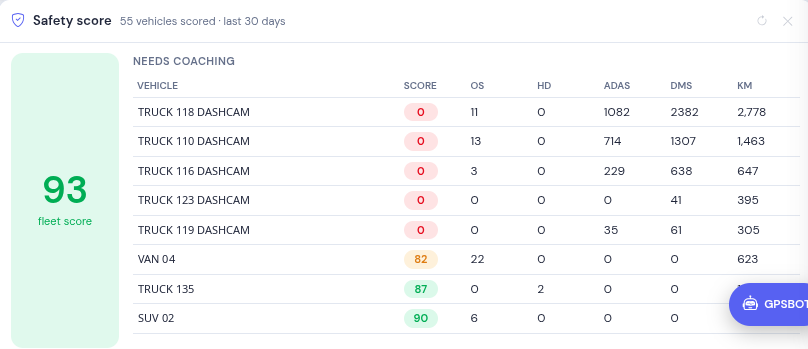
The goal is not simply to catch mistakes. It is to build a safer, more accountable, and more cost-efficient driving culture across every vehicle you operate.
Turning telematics data into safer, lower-cost operations
Businesses get the highest return from driver behaviour monitoring when insights translate into consistent daily habits:
- Set realistic vehicle baselines: calibrate acceleration, braking, and cornering thresholds according to vehicle weight and operating terrain so alerts reflect genuine risk.
- Enable real-time driver self-correction: pair tracking hardware with an optional in-cabin buzzer so drivers receive an immediate audio cue to ease off the throttle or slow down before an incident occurs.
- Coach with objective scorecards: use weekly or monthly driver reports to reward smooth, fuel-efficient drivers and address risky habits constructively.
- Align maintenance with actual wear: use cumulative harsh-event logs and engine idle hours to service brakes, tyres, and fluids before minor wear turns into costly downtime.
When companies and car rental operators combine calibrated telematics hardware with clear operational policies, fuel bills drop, vehicles stay on the road longer, and every journey becomes safer.
Ready to upgrade from basic GPS tracking to full fleet intelligence?
Whether you manage a corporate fleet, commercial logistics operation, or car rental business, Primera Automations Ltd delivers end-to-end telematics hardware supply, covert professional installation, custom sensor calibration, and fleet management software tailored to your operations.
Speak with our engineering team today to schedule a fleet assessment and see how driver behaviour monitoring can protect your vehicles and reduce operating costs.
Sources
- World Health Organization, Road traffic injuries, fact sheet