
What we’ve learned keeping Nigeria’s vehicles visible.
Straight, practical writing on fleet losses, fuel theft, vehicle recovery and how to tell a serious tracking system from a cheap one, drawn from thousands of installs.
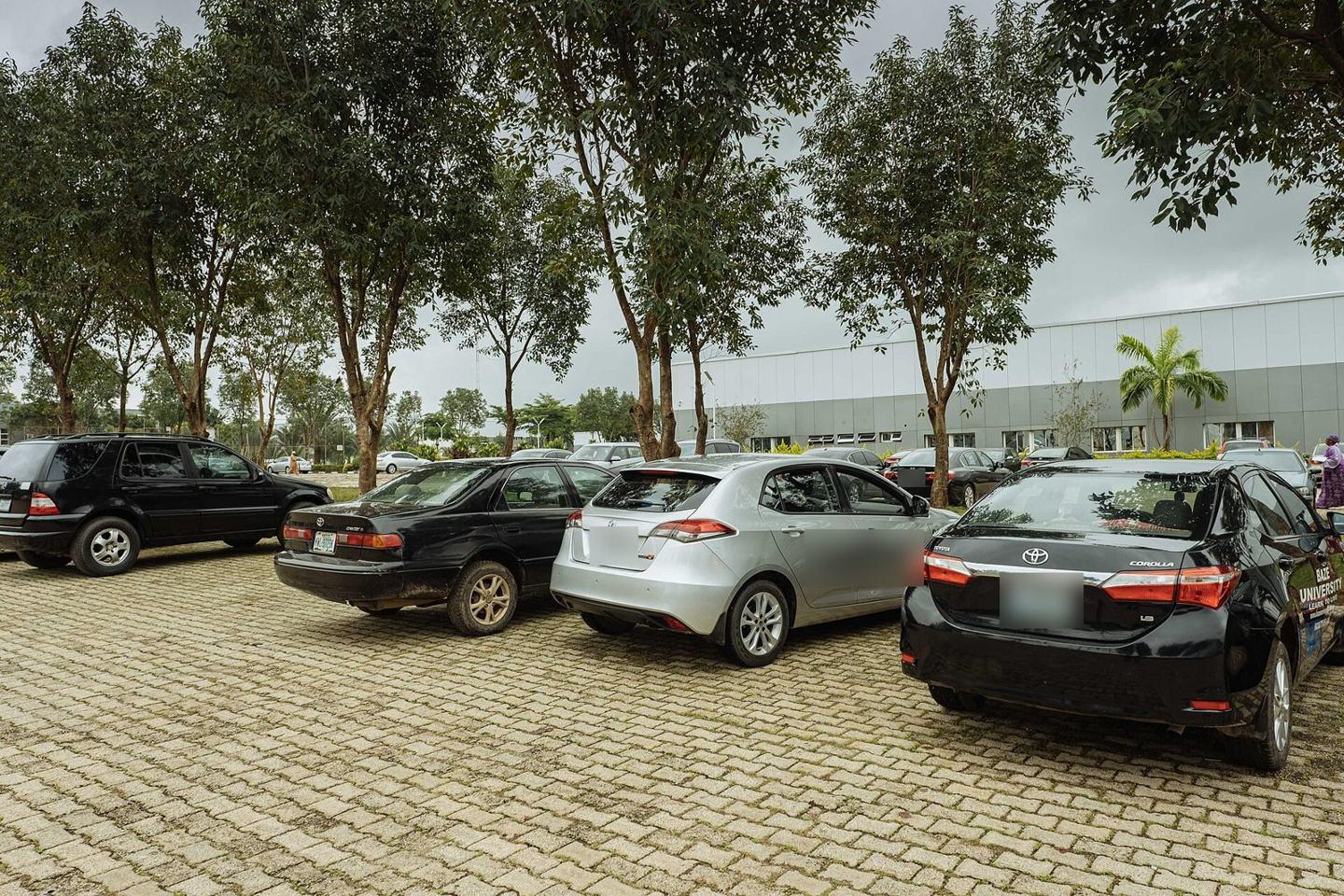
Driver behaviour monitoring: why every company and car rental business needs it
Knowing where your vehicles are is only half the picture. Discover how driver behaviour monitoring helps companies and car rental operators reduce fuel waste, prevent hidden mechanical abuse, and build safer fleets.
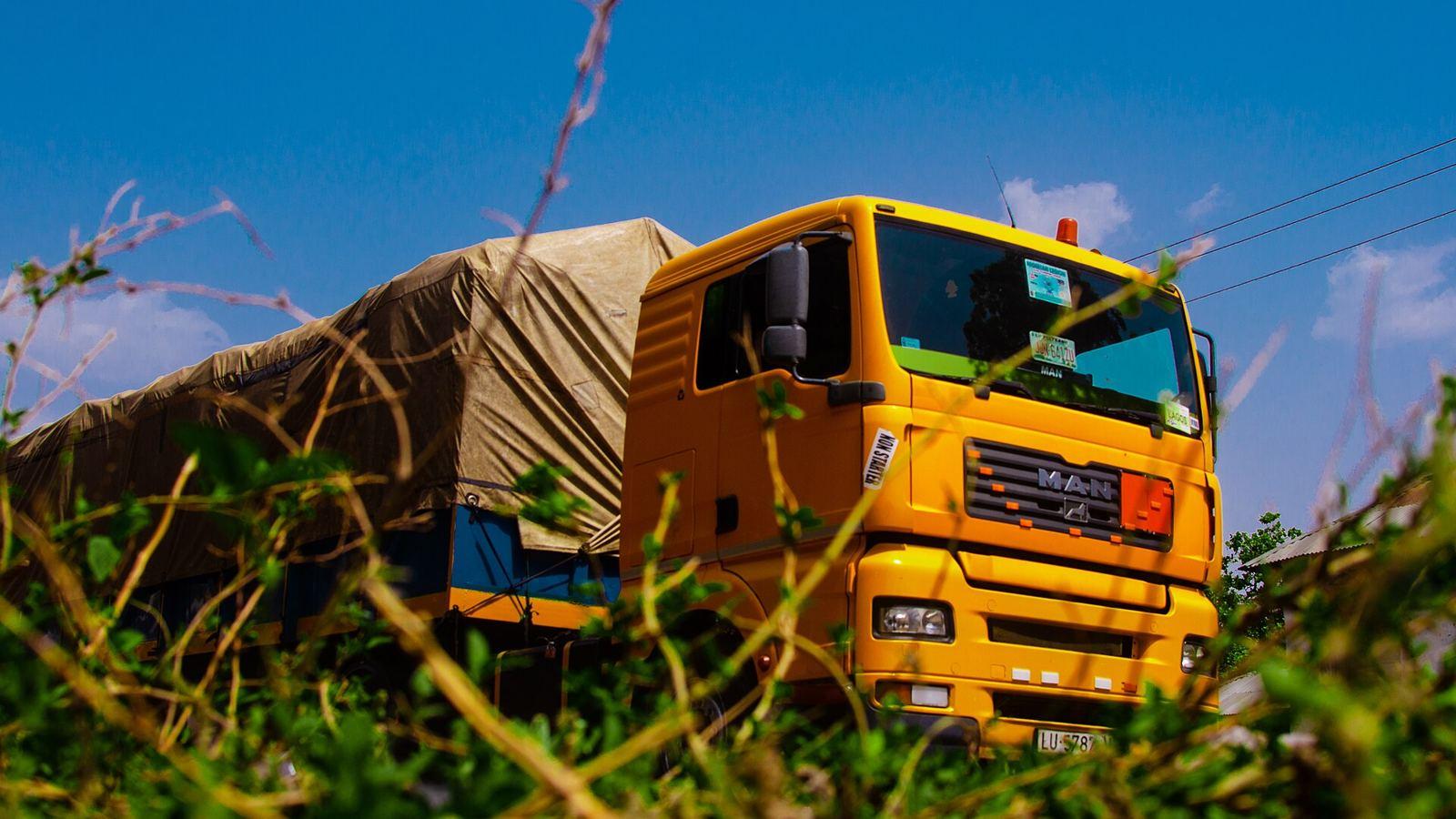
Seven litres at a time: catching diesel siphoning on Nigeria's long-haul corridors
One truck lost 739.54 litres of diesel in a week, in 67 small draws nobody noticed. Here is how a capacitive probe in each tank catches a drain, parked or moving, and what to do when the alert lands.
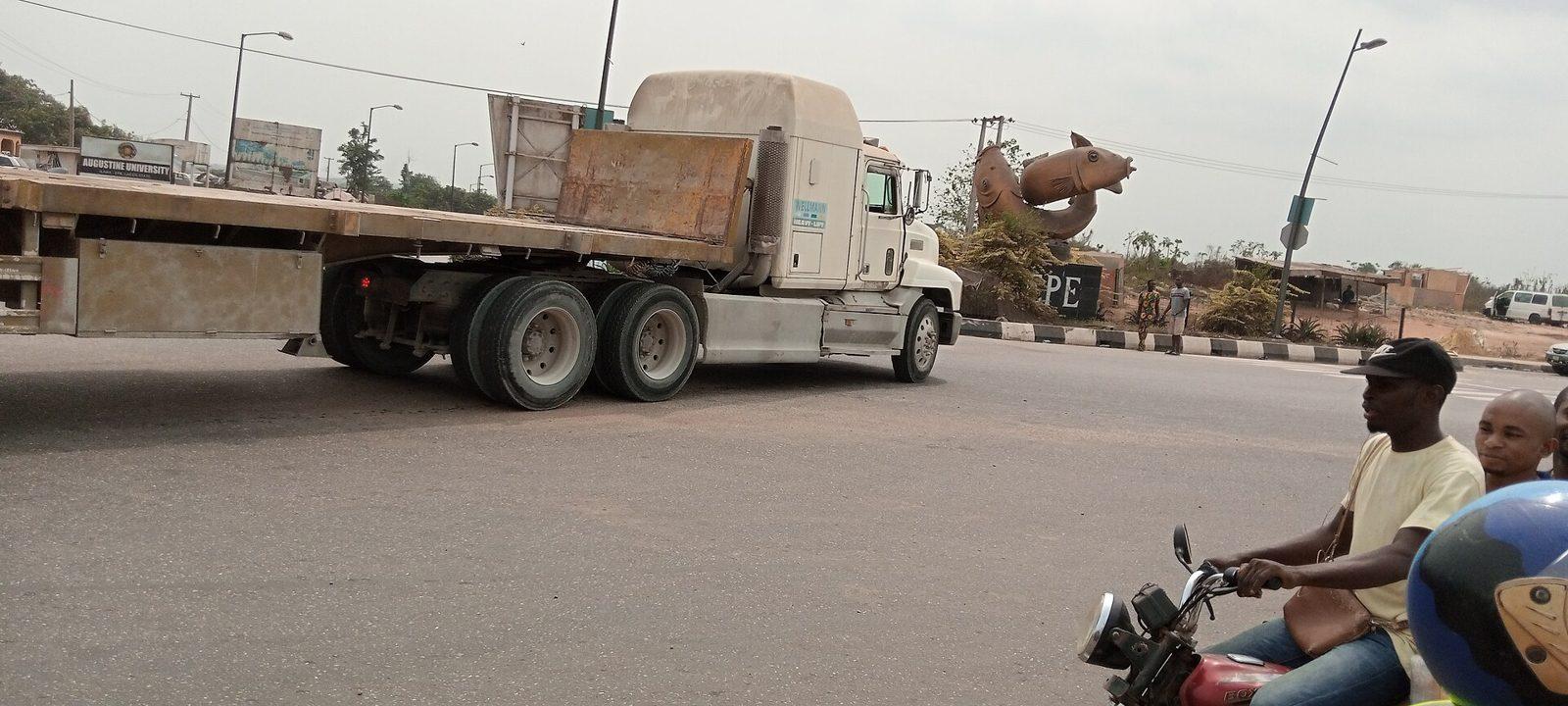
Over-revving, neutral coasting and hot brakes: the driving habits that wear out heavy trucks
Gearboxes and brakes rarely die of old age. They are worn down one missed downshift and one long descent at a time. Here is what the damage looks like, what telematics can measure, and how to enforce eco-driving without a war with your drivers.
After dark on the expressway: night-driving controls and corridor geofences for high-value cargo
Hijackers, diverted loads and tired drivers all prefer the night. How to draw a digital corridor around every trip, enforce night-stay zones that drivers actually respect, and keep the trailer door shut until it reaches the right gate.
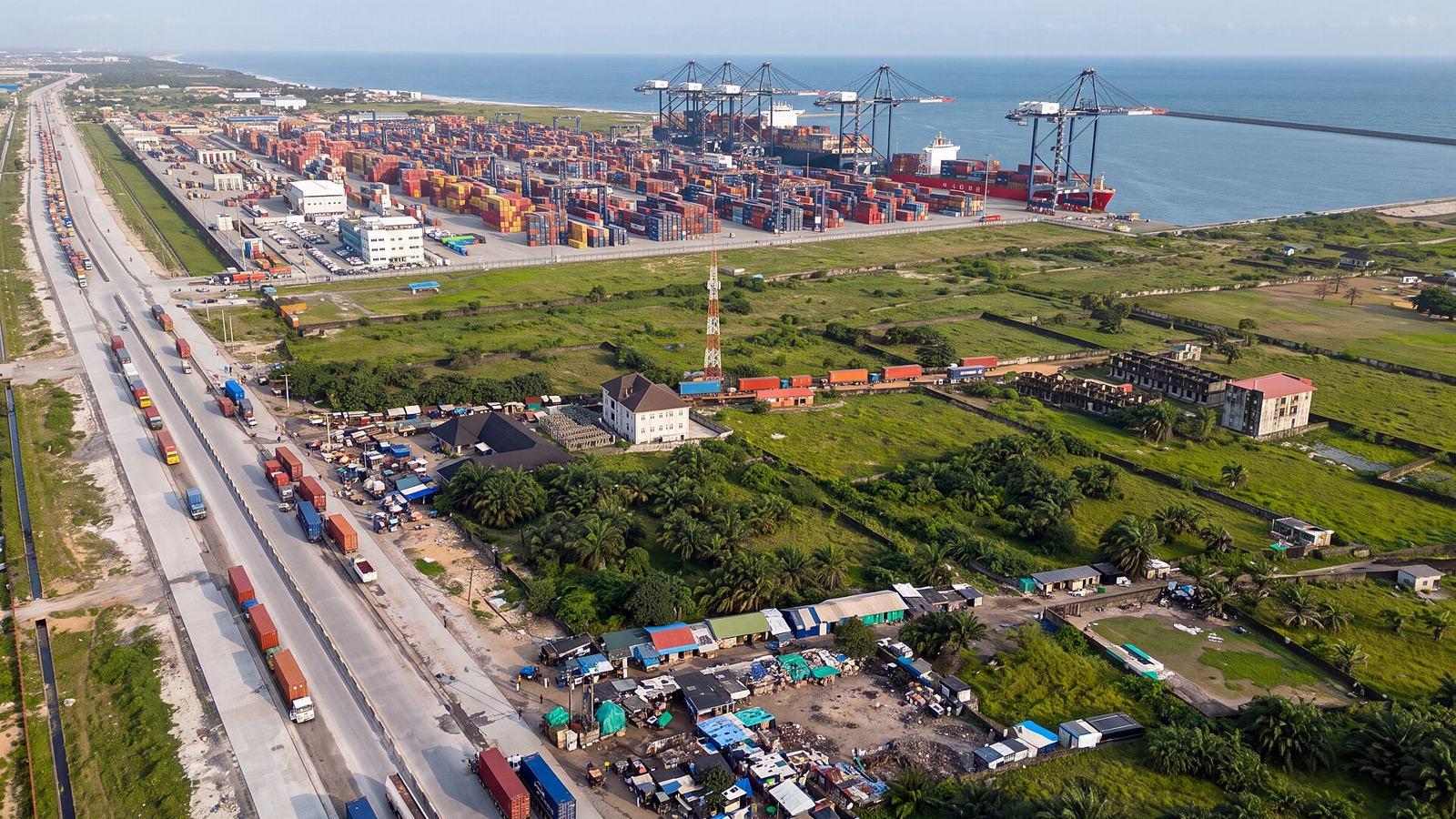
Ending the 'Where is my container?' call: live tracking links as a haulier's sales tool
Every status call costs your dispatcher time and your customer patience. A live tracking link turns the telematics you already pay for into the thing shippers say they value most.
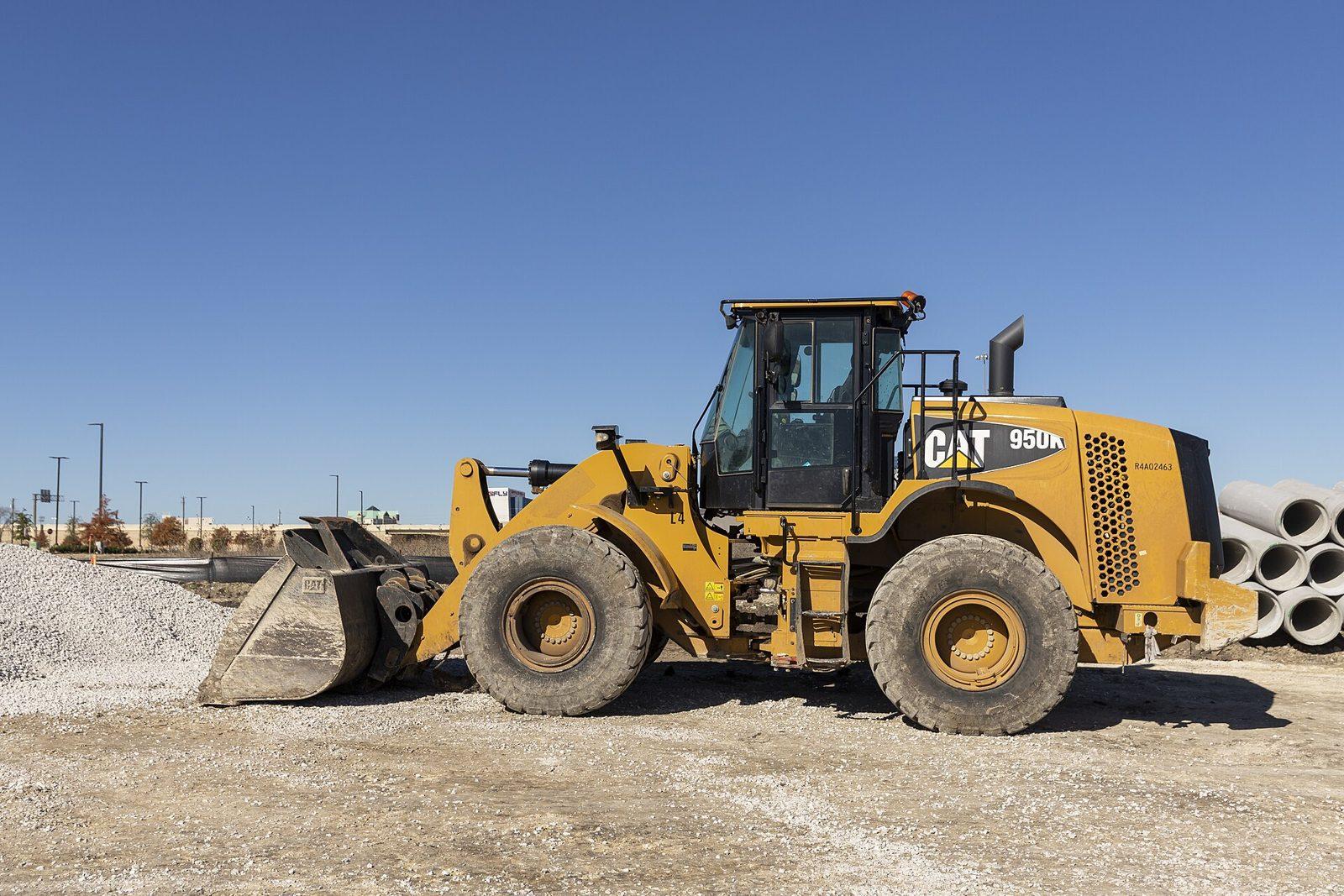
Your excavator's hour meter can't tell digging from waiting
A big excavator can log a full shift of engine hours and spend a third of it doing nothing. Here is how to separate real work from paid-for waiting, and what the difference is worth in diesel, servicing and resale.
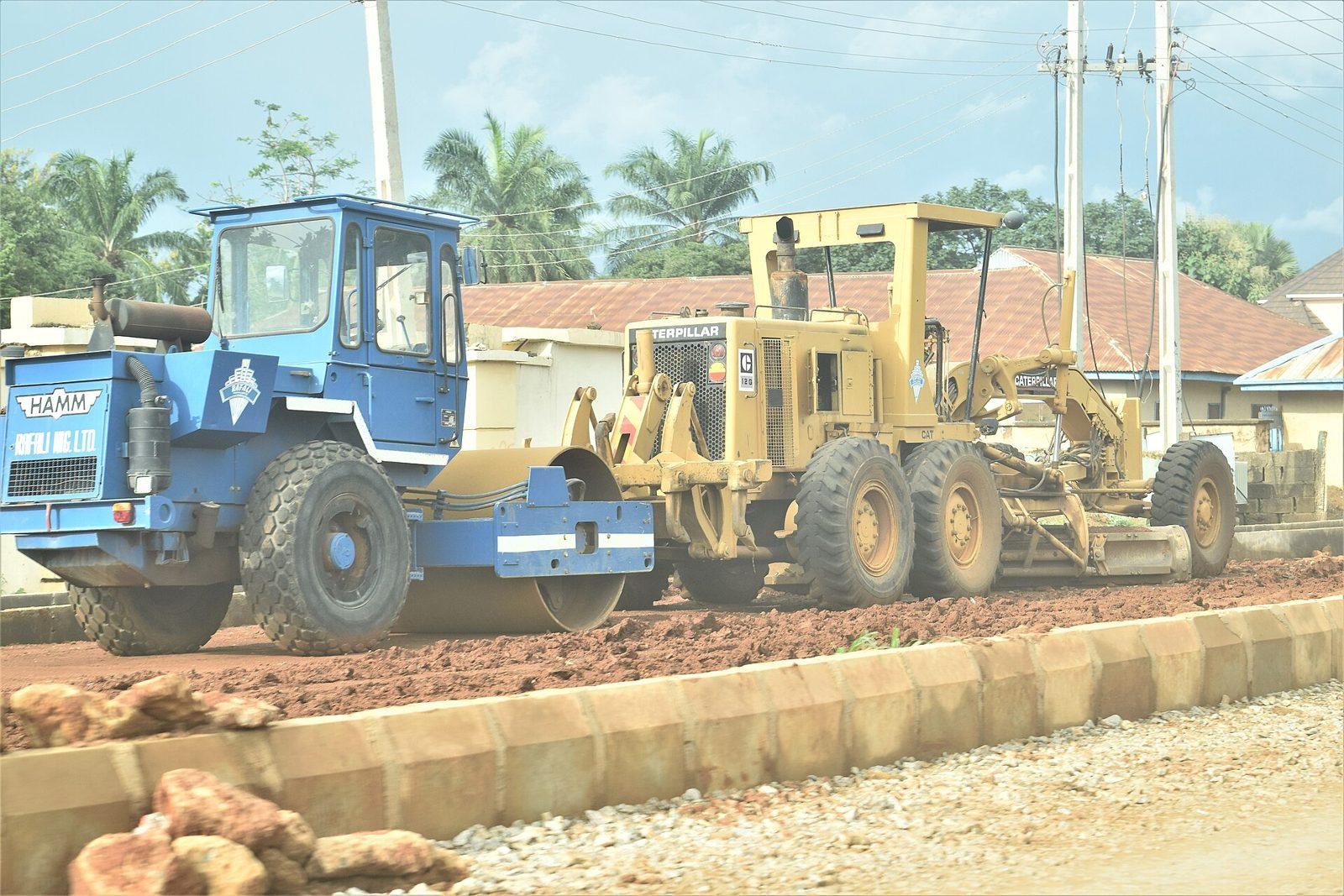
The excavator that works weekends: stopping off-hours theft and misuse on remote job sites
Your machines may be busiest when your site is closed. How geofences, out-of-hours ignition alerts and a carefully used engine cut-off end the unpaid Saturday shift, and make the outright theft harder too.
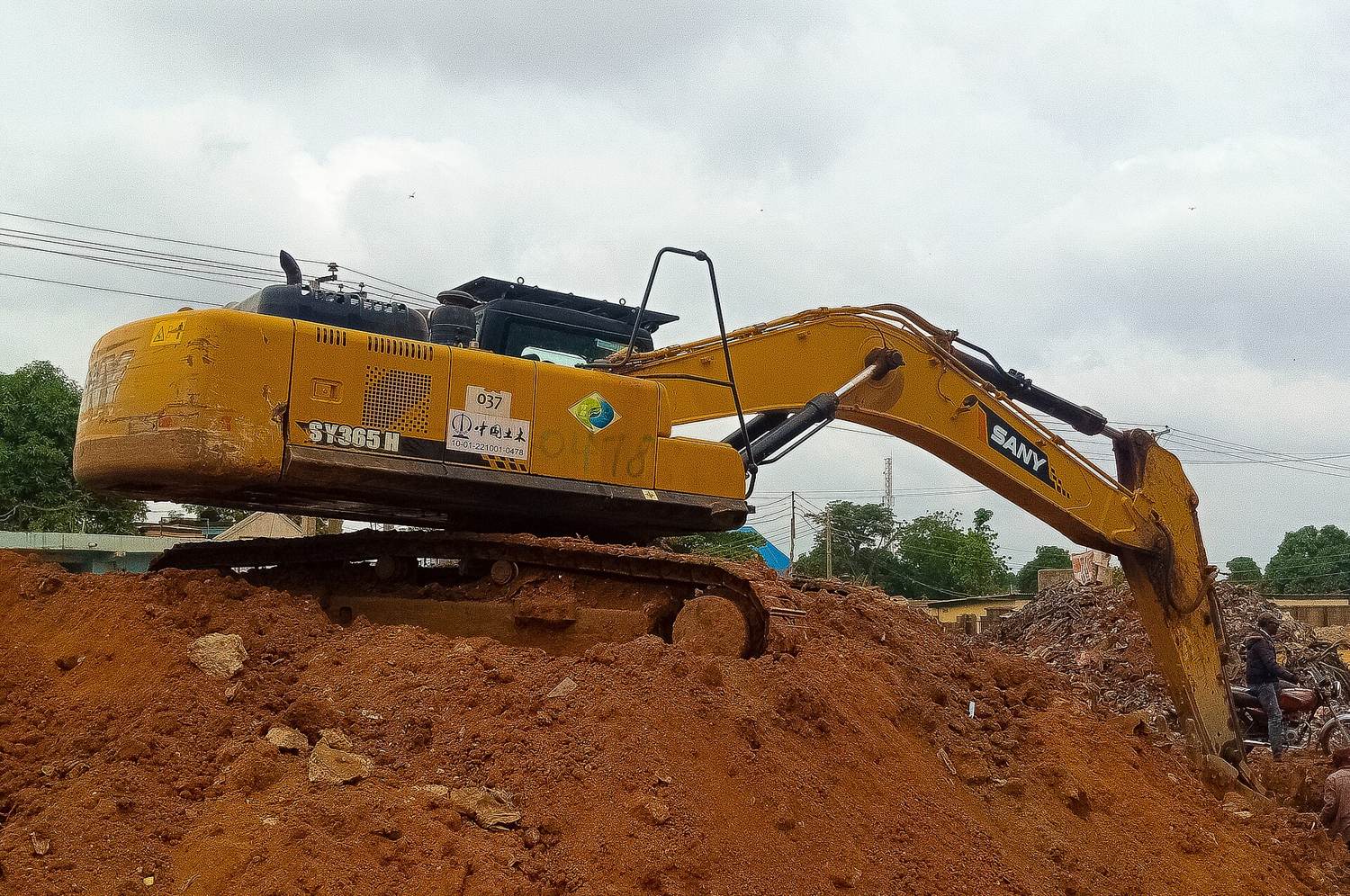
Dust, mud and a million small shocks: why ordinary trackers fail on construction sites
A tracker that is happy in a saloon car can be dead inside a bulldozer within a season. What IP67 really means, which vibration standards matter, and the installation details that decide whether your telematics survives the job site.
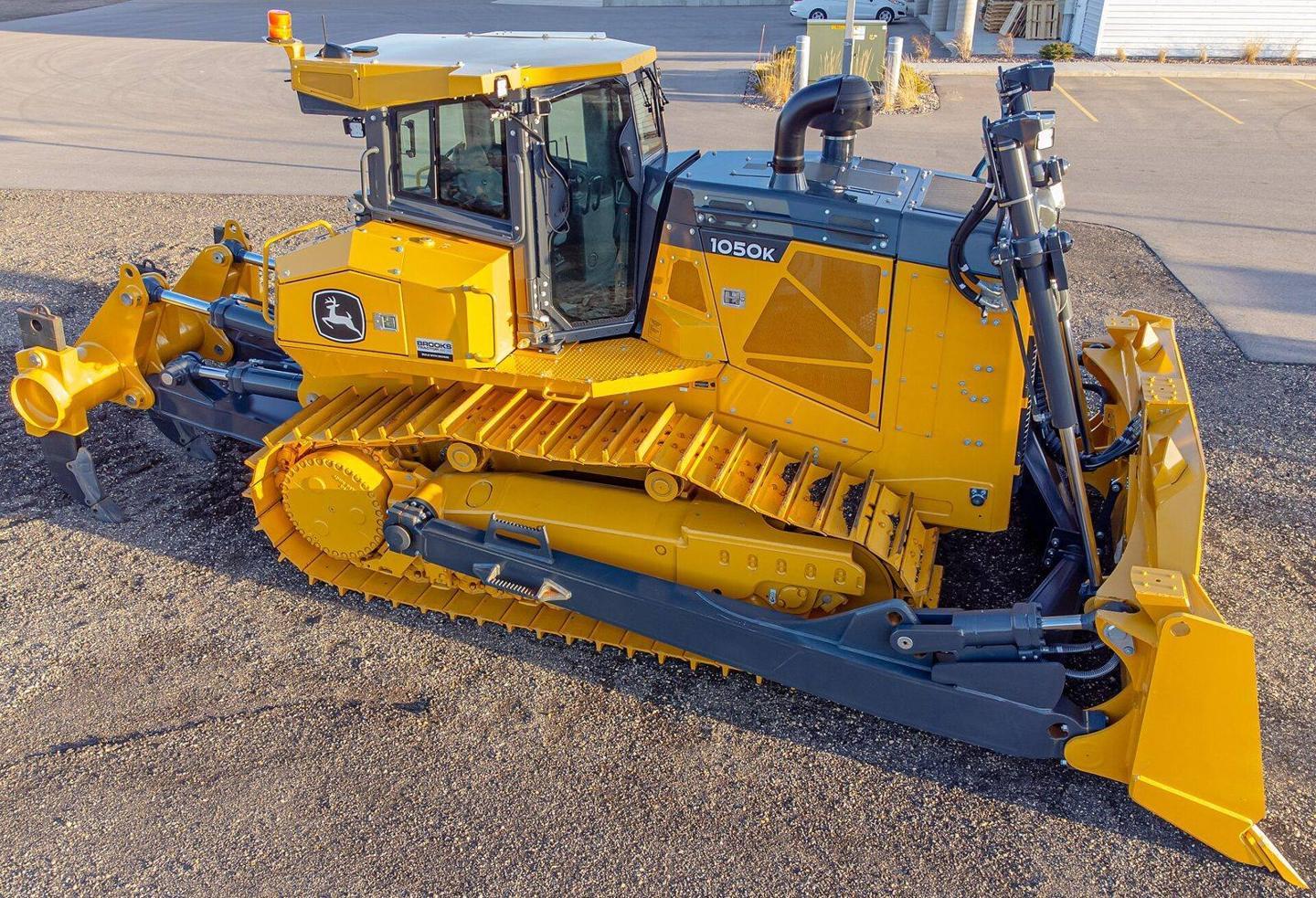
Service your plant by the hour meter, not the calendar
Heavy machines wear out by the hours they run, not by the date on the office wall. Here is how engine-hour data and automatic alerts turn a guessed service schedule into one the machine sets for itself.
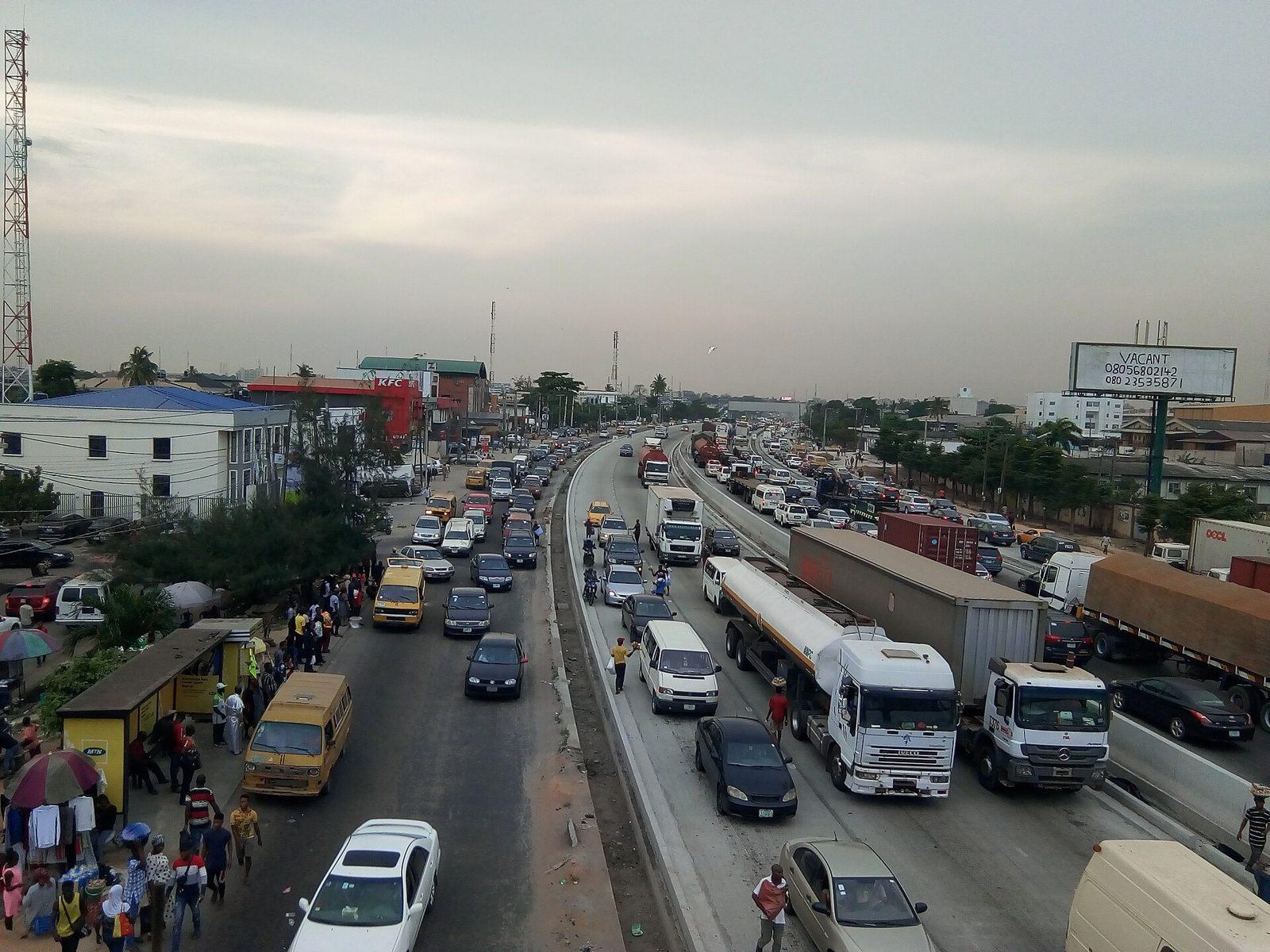
Lost at the kerb: how urban delivery fleets cut turnaround times between stops
Lagos traffic takes the blame for every missed drop. But much of a delivery van's day disappears after the engine stops. Here is how live monitoring, smarter dispatch and honest stoppage data win those minutes back.
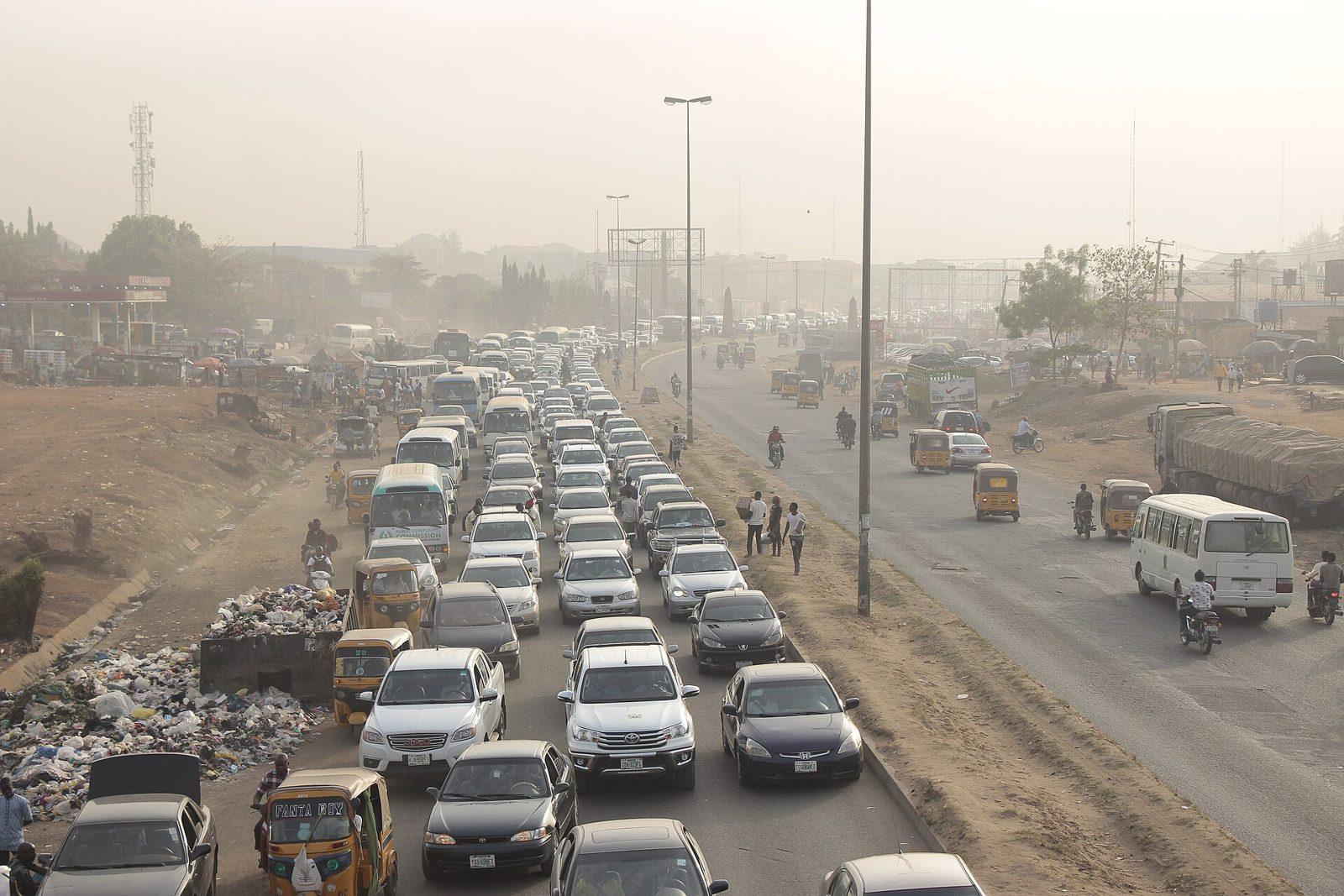
The 40 km/h problem: why a speed limiter alone won't stop your delivery vans being thrashed
A speed limiter stops a van going too fast on the expressway. It does nothing about the hard launches, late braking and 70 km/h dashes through town that wreck clutches, eat tyres and cause the small knocks that add up. Here is how limiters and driver monitoring work together.
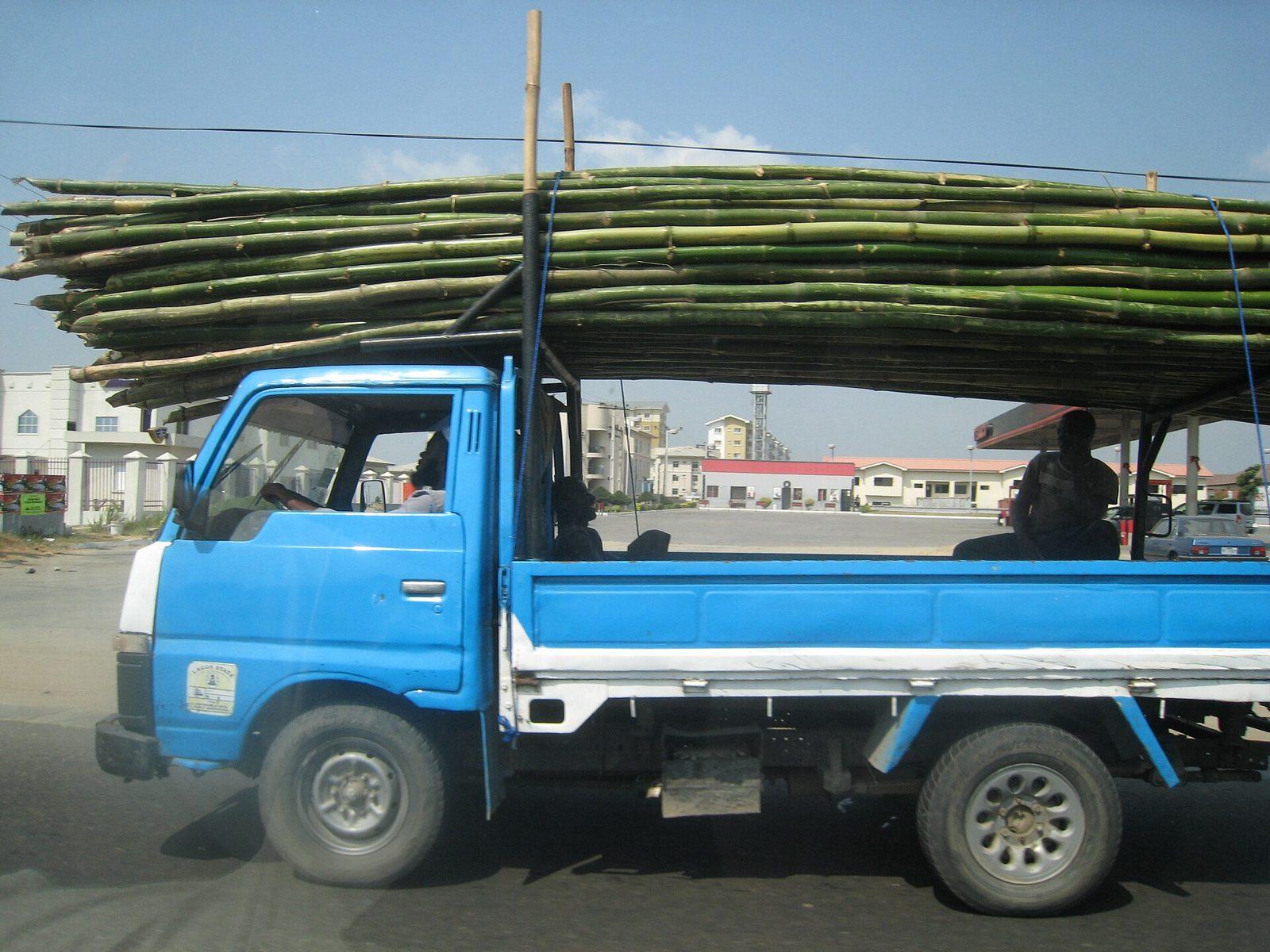
Before the engine starts: making daily vehicle checks honest, quick and on the record
Most tyre bursts and brake failures announce themselves days in advance, to a driver who was never asked properly. How to run a daily check your drivers will actually do, and let telemetry tell you when the paperwork is wrong.
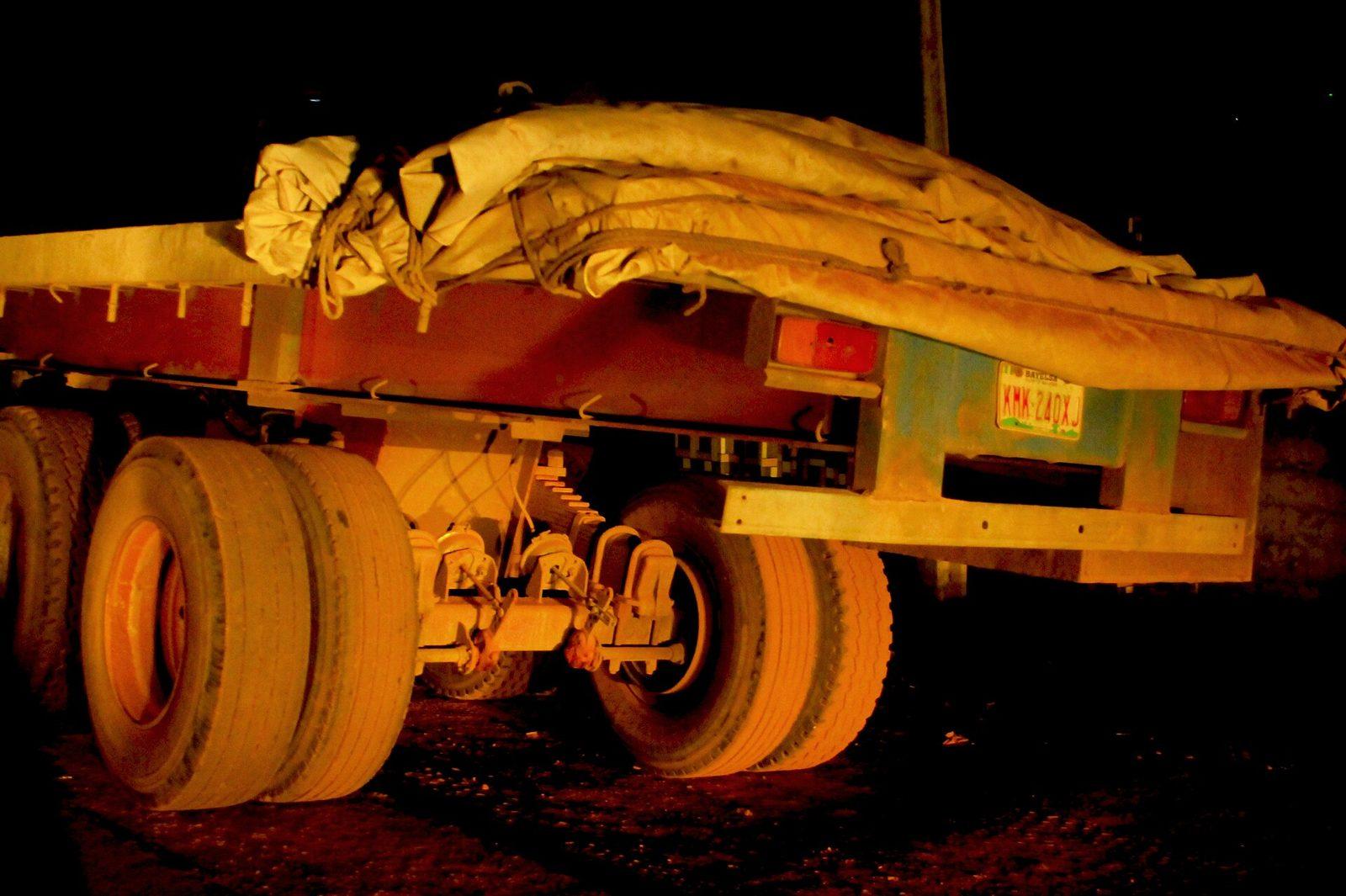
The tamper alert just fired: a minute-by-minute plan for fleet managers
When a tracker reports that its power has been cut or its antenna pulled, you have minutes, not hours. A practical standard operating procedure for the first two minutes, the first fifteen, the first hour and the days after.
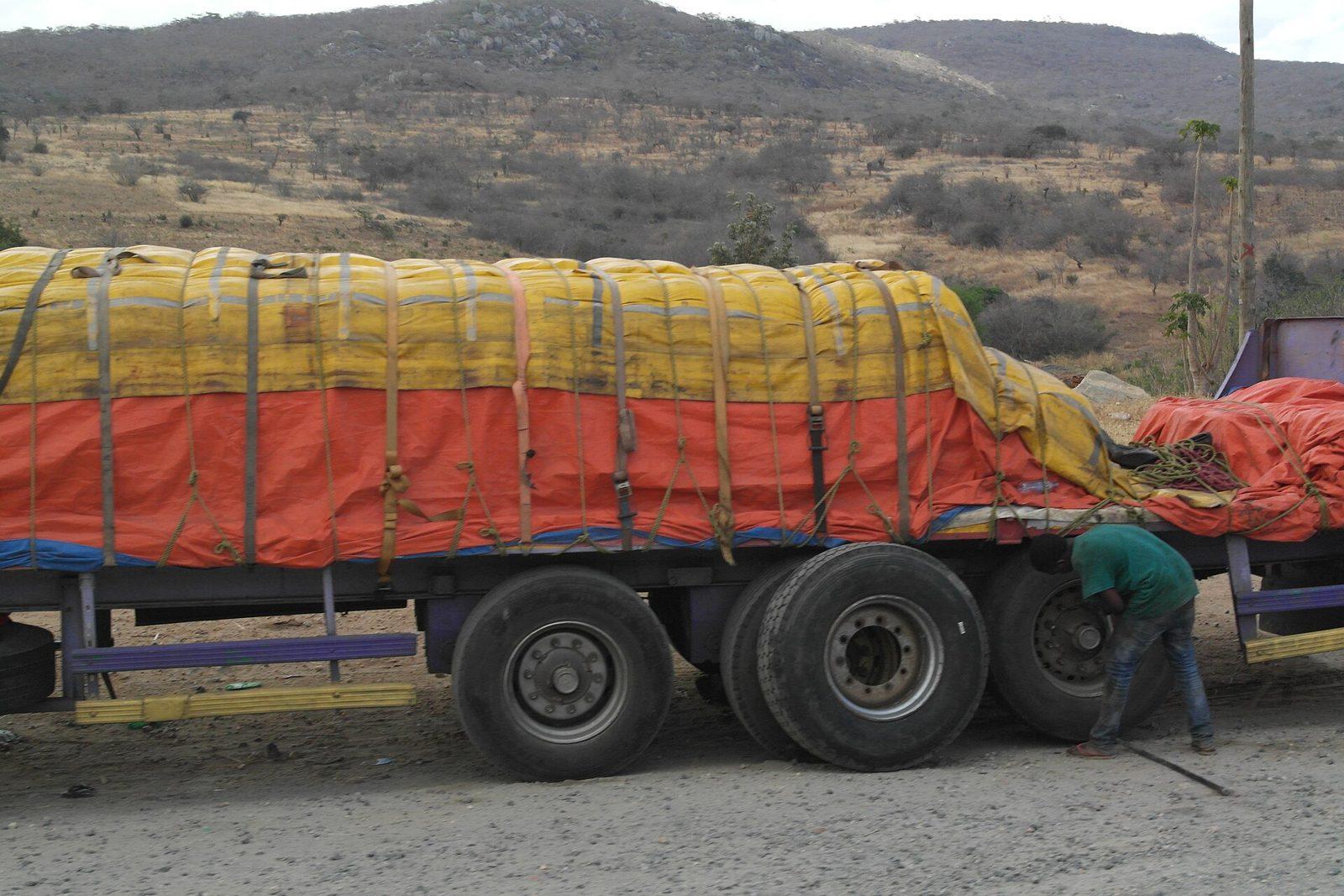
Seven years or ten? What telematics does to the true cost of owning a truck
The purchase price is barely a tenth of what a Nigerian truck will cost you. A transparent worked example, with every input sourced or labelled, shows how driver scoring, preventive maintenance and theft protection change the cost per kilometre and how many years a truck keeps earning.
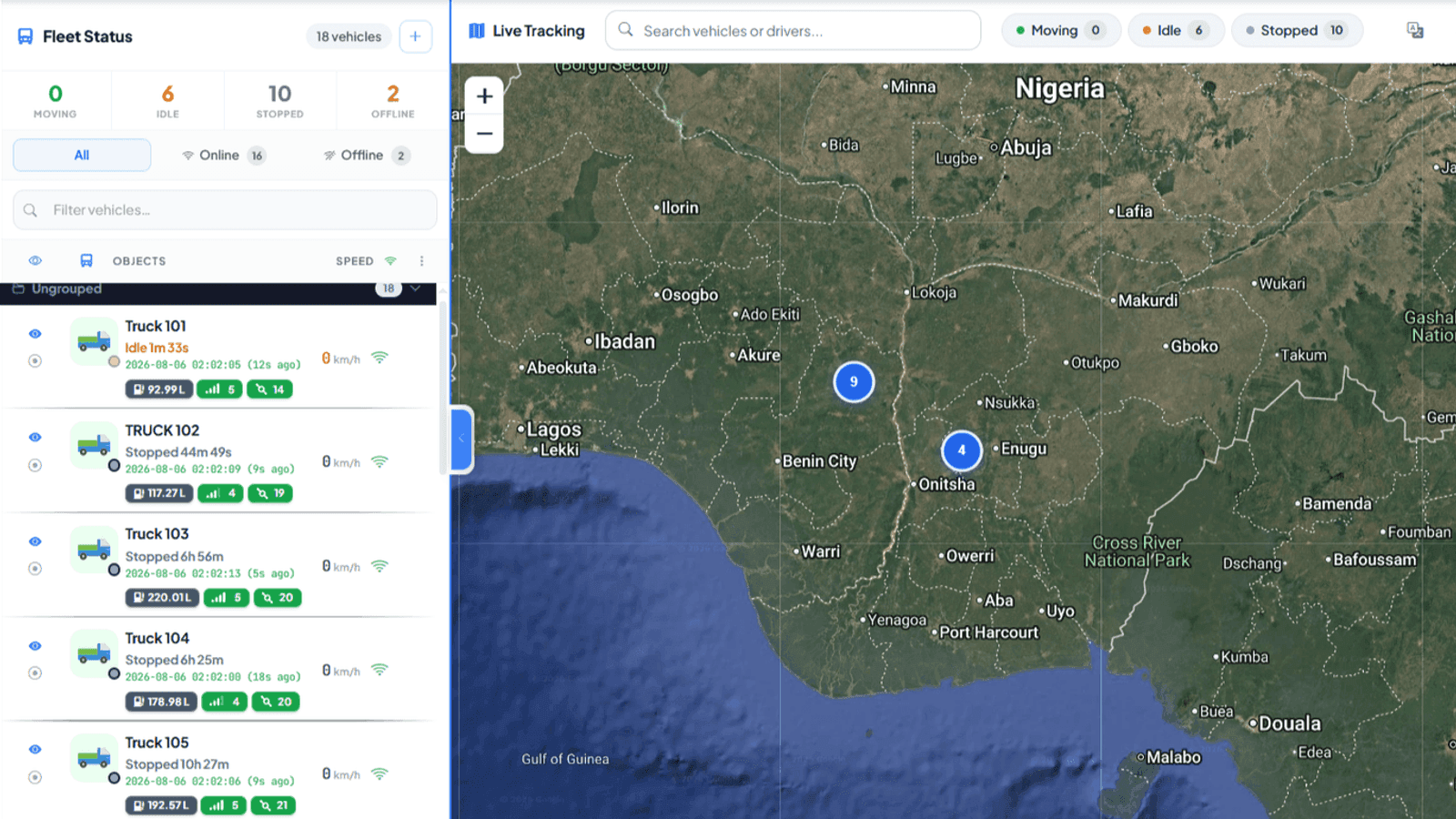
Your fleet has 50 trucks. How many are actually making you money?
The uncomfortable economics of owning a large fleet. A company can own 50 trucks and still have a 20-truck problem, not because any of them are broken, but because being operational and being productive are not the same thing.
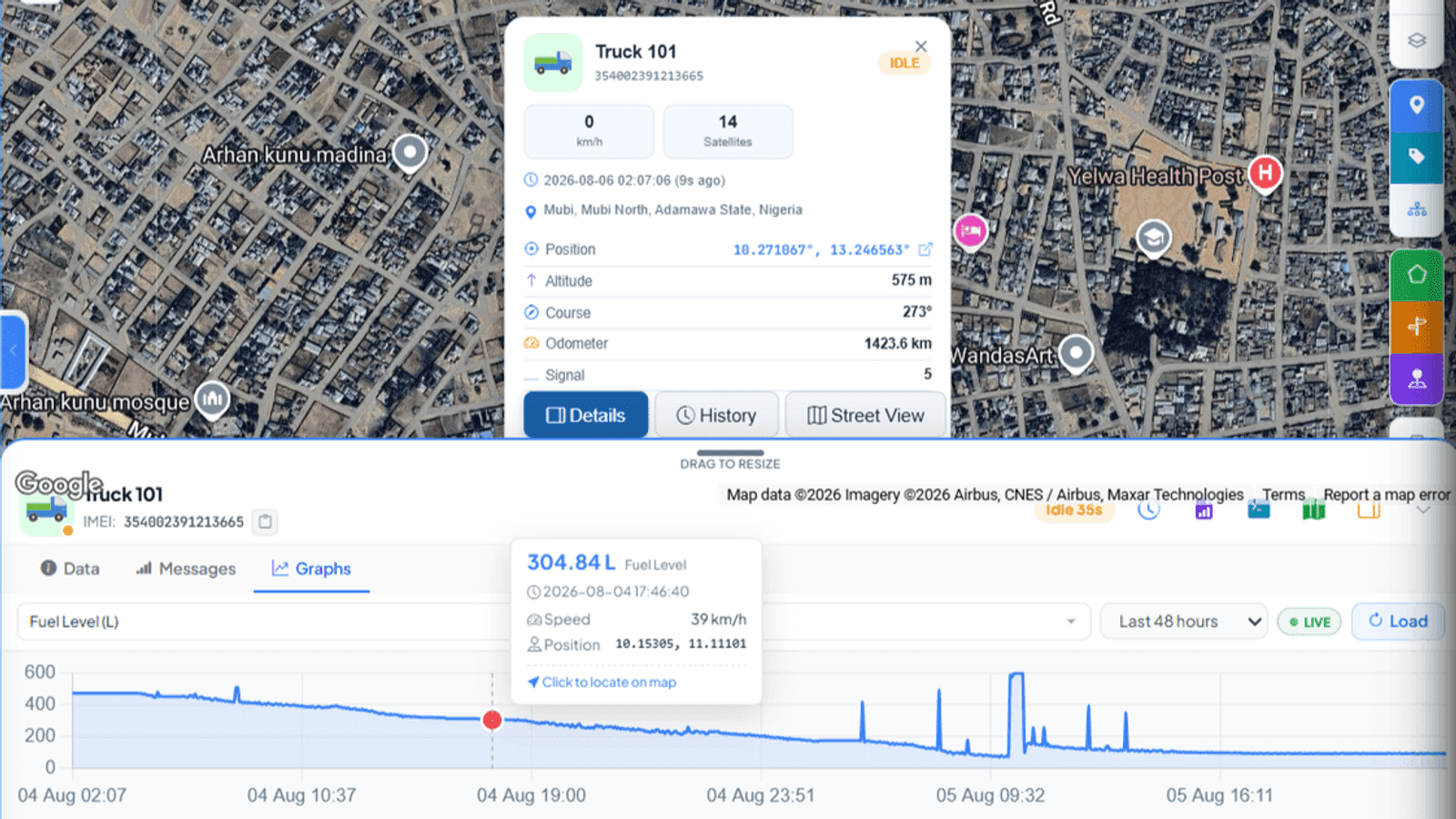
Your GPS tracker is working. So why are you still losing money?
The uncomfortable truth about visibility, accountability and the illusion of fleet control. A live map, hundreds of trackers and dozens of reports can all be working perfectly while the fleet underneath them is badly managed.
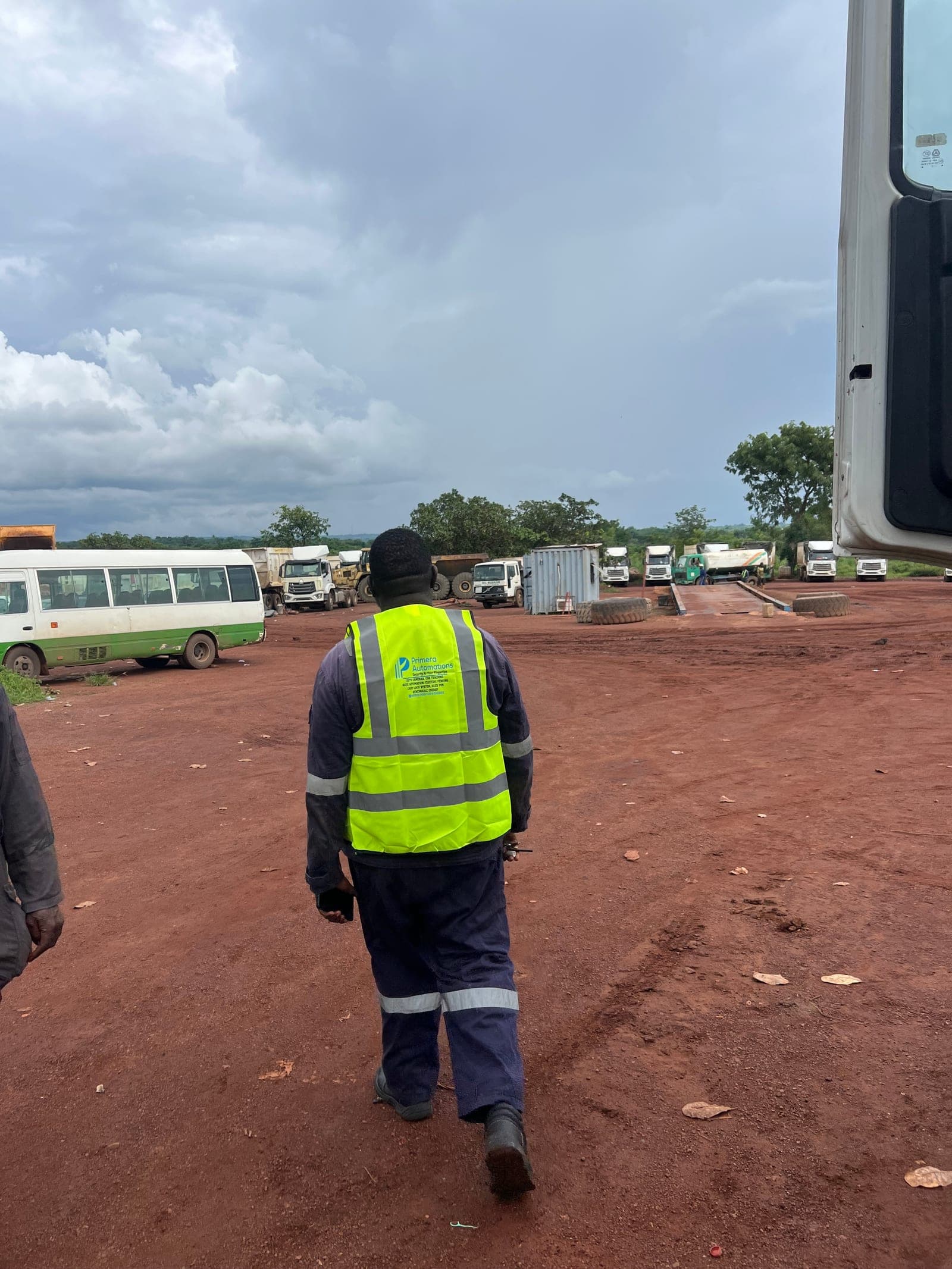
The problem with selling technology without support
The installer leaves. The dashboard is working. The customer is satisfied. Then something goes wrong, and the difference between a vendor and a partner becomes very expensive, very quickly.
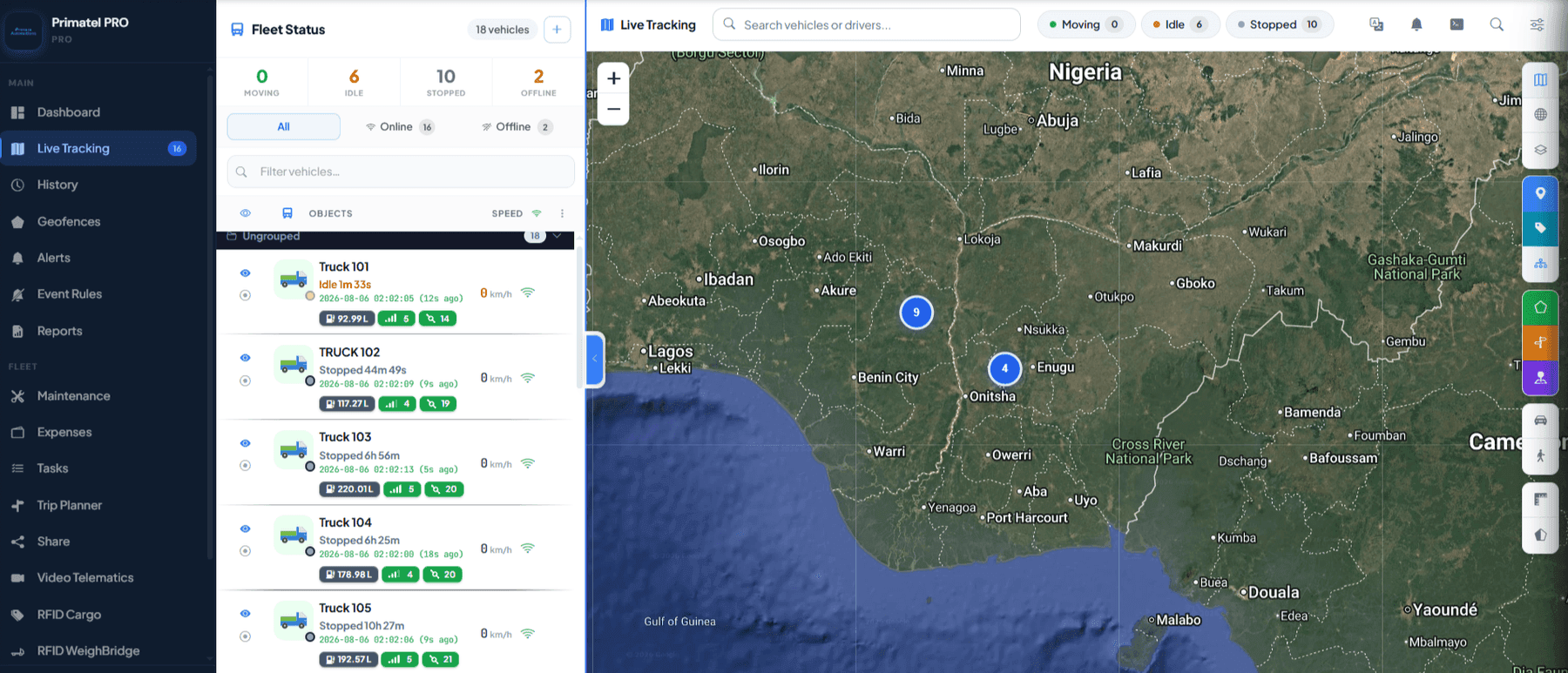
Why installing 500 trackers doesn't mean you have a fleet management system
A GPS tracker can tell you where a vehicle is. That does not mean anyone is managing the vehicle. The ten questions that separate 500 managed vehicles from 500 dots on a map.
The GPS tracker trap: why cheap hardware becomes an expensive mistake for Nigerian fleets
The cheapest tracker can be the most expensive one you ever buy. What actually separates professional telematics hardware from a generic box, and why it shows up months after installation.

When your fleet becomes a liability: the hidden cost of poor fleet management in Nigeria
A breakdown is visible. The losses around it are not. Why fleets stop being assets, and the management system that turns them back into one.
Where your fleet's fuel really goes, and how to get it back
Fuel is the biggest line item most Nigerian fleets can't fully see. Here's how losses actually happen, and the visibility that closes the gap.
Your vehicle was stolen. What actually happens next?
In Nigeria, a stolen vehicle is usually a gone vehicle, unless it can tell you where it is. Here's how tracking and remote cut-off change the outcome.

Buying a tracker in Nigeria? 7 things that separate the real ones from the clones
The market is flooded with cheap trackers that go dark when you need them. Here's how to tell a system you can rely on from a box that just blinks.
Tell us what you want to keep an eye on.
Send us a few details and we’ll come back with a straight answer, what it would take, and what it would change for you.