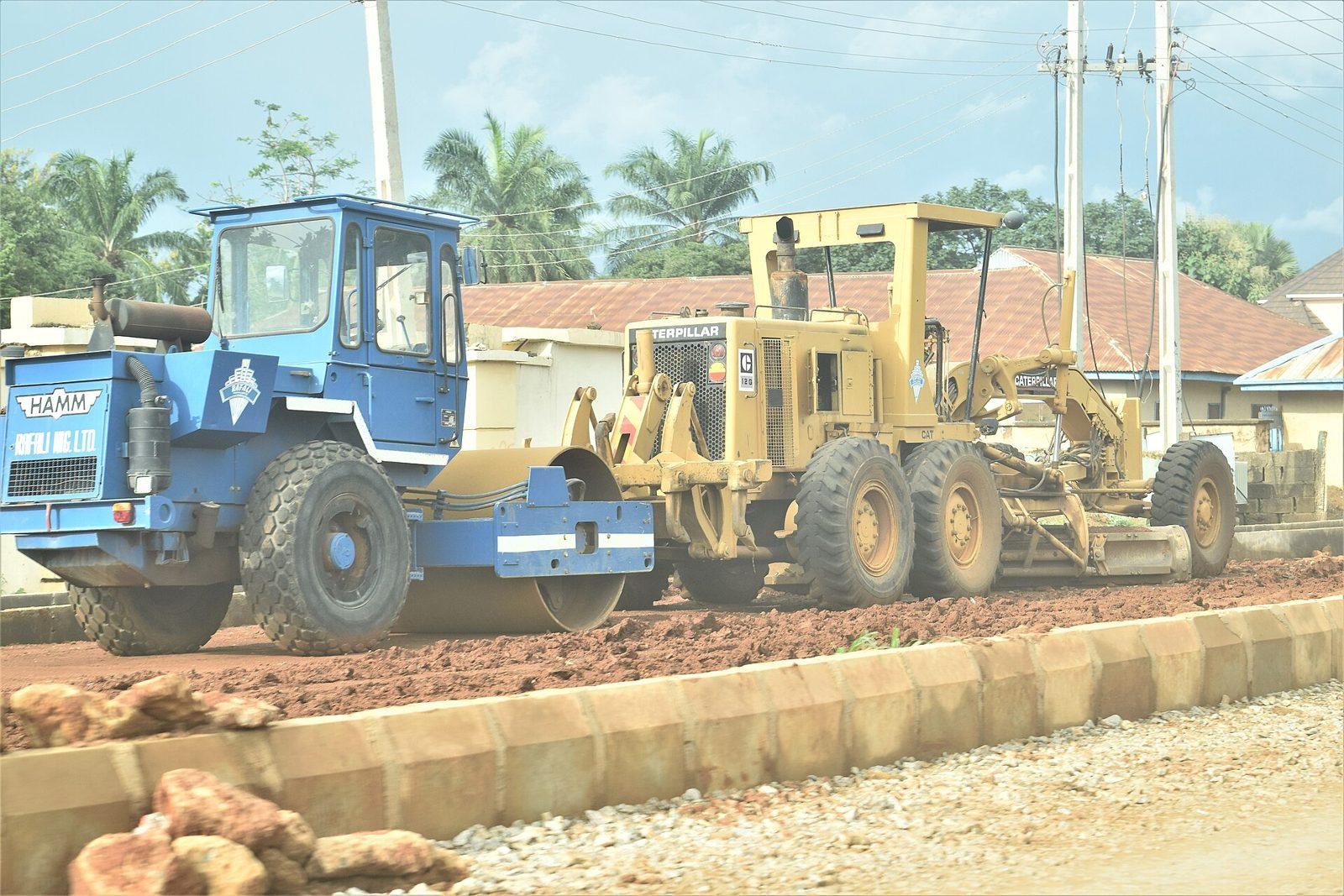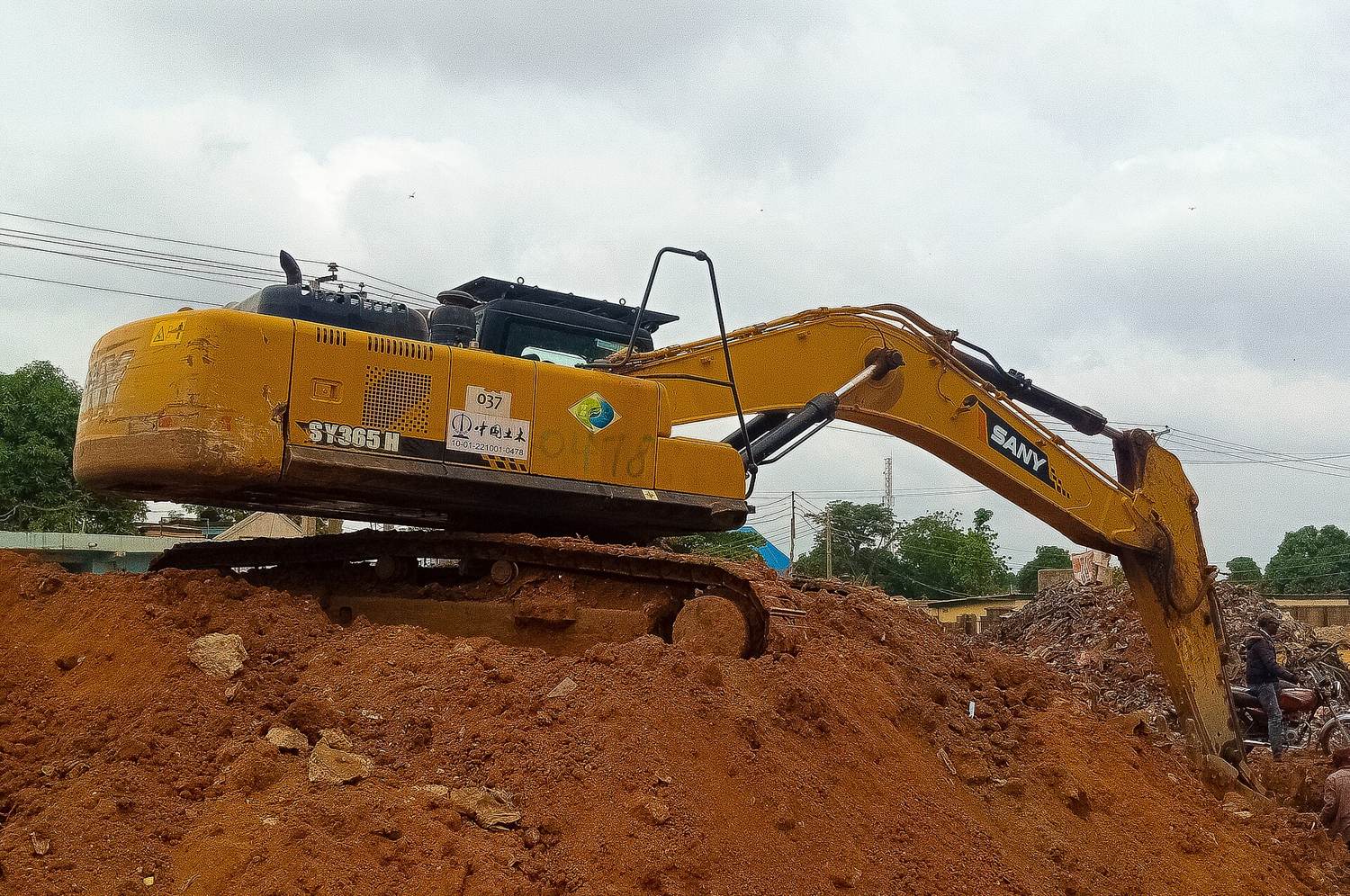
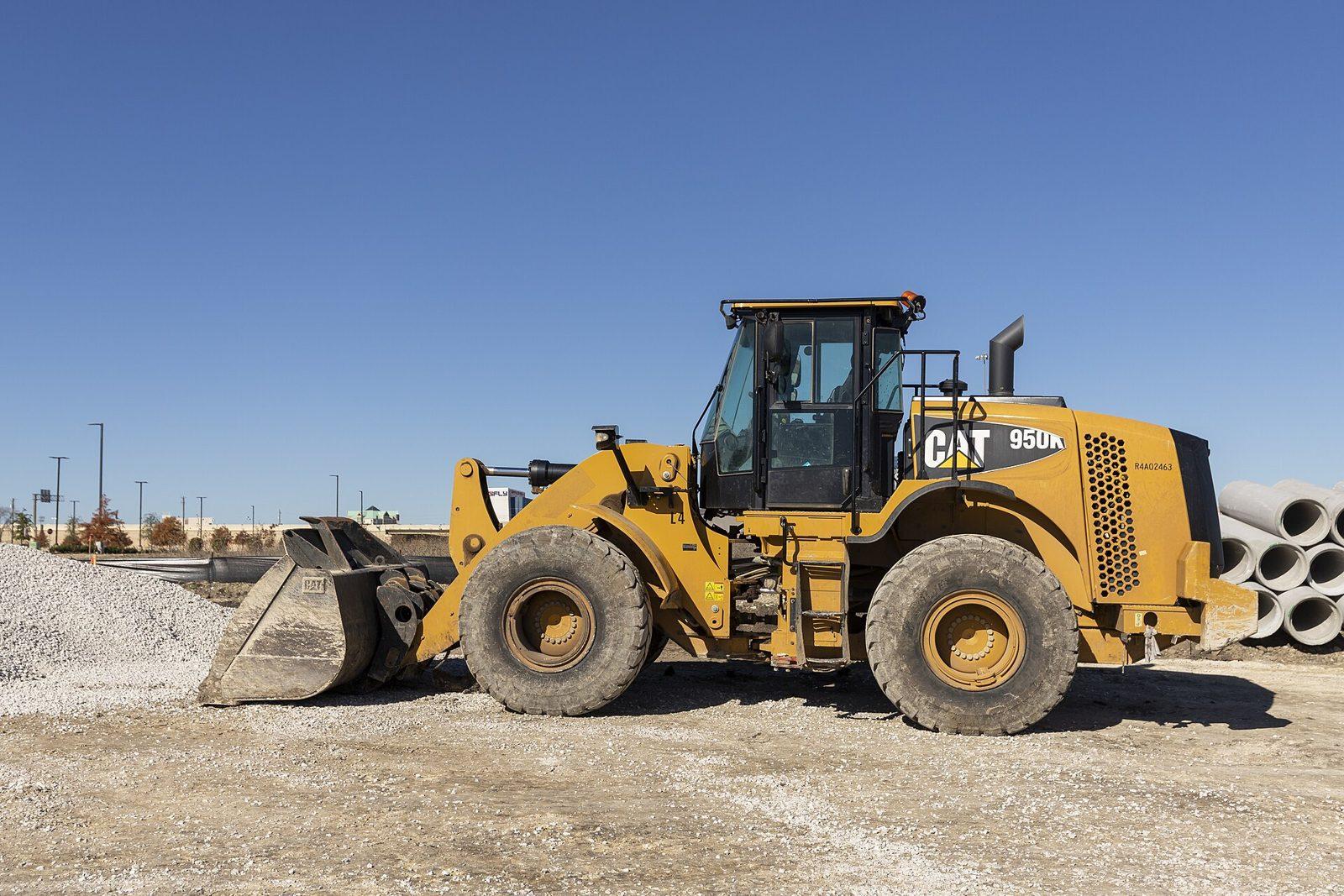
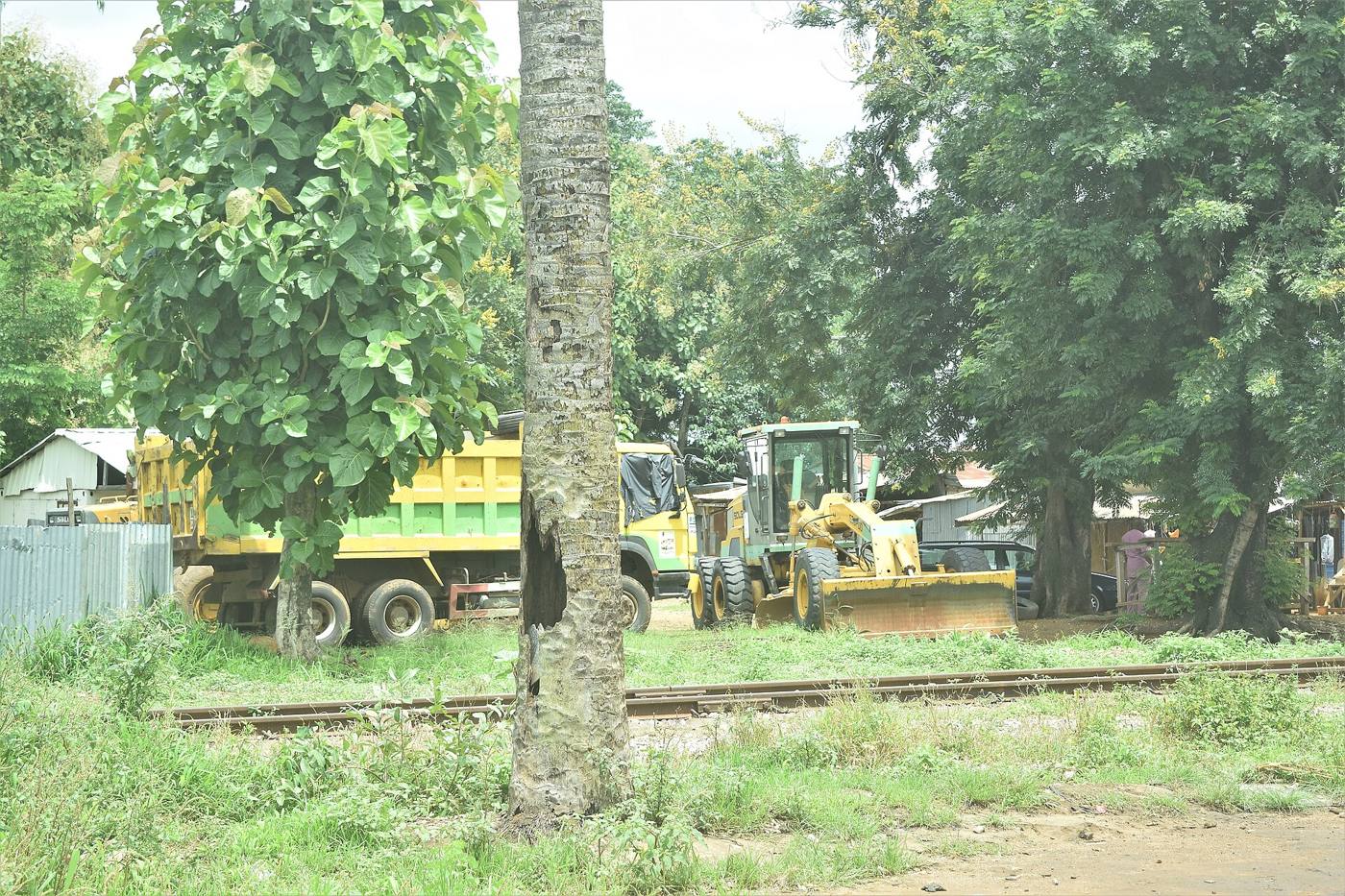
It is 7:40 on a weekday morning at a road job somewhere between Lokoja and Abuja. The excavator has been running since 7:00. The operator warmed it up, loaded two tippers, and then the third tipper did not arrive. It is held up at a checkpoint, or it stopped for diesel, or the driver simply took his time. So the excavator sits there with its engine at low idle, its bucket resting on the spoil heap, its operator scrolling on his phone in the cab.
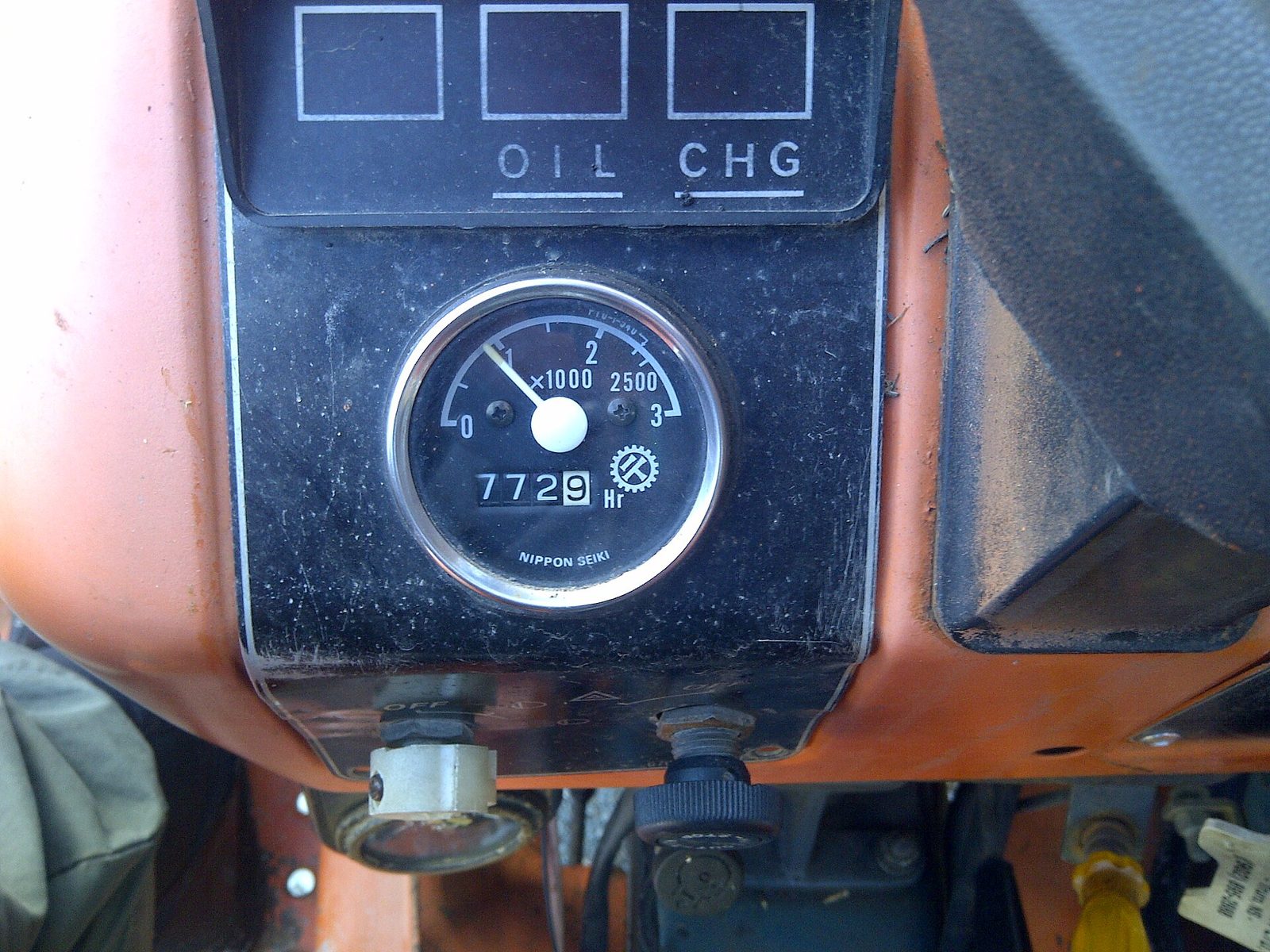
Nobody is doing anything wrong, exactly. But the hour meter in that cab is turning over at exactly the same rate it turns when the machine is ripping laterite out of a cutting. By Friday it will say the excavator worked 55 hours. Your invoice to the client, your service schedule and, eventually, the price a buyer will pay for the machine will all be built on that number. And nobody will know how much of it was digging.
That gap is bigger than most plant managers assume. When Komatsu looked at 12 months of telematics data from about 75,000 machines in North America, average idle time came to 38 per cent; Volvo Construction Equipment put a large fleet at 28 to 30 per cent. With diesel selling at around ₦1,825 a litre at Lagos depots at the end of October, a single large excavator idling a third of its life can burn several million naira a year producing nothing. It also uses up service intervals, warranty hours and resale value as it goes.
Why the odometer has nothing to say about a digger
Fleet management grew up on the road. A truck's job is to move, so kilometres are a decent stand-in for work: distance drives fuel, tyres, brakes and oil changes, and a GPS tracker measures distance very well.
An excavator's job is mostly not to move. A crawler machine may track a few hundred metres across a site in a day and spend the rest of its shift slewing, digging and loading from one spot. A bulldozer pushes back and forth over the same 50 metres. A mobile crane drives to the lift and then sits on its outriggers for hours. The work these machines do happens in the hydraulics, and it leaves almost no trace on a map.
So a plain GPS tracker on an excavator produces a strange report: almost zero kilometres, many hours of "stopped with engine on". By the logic built for trucks, the machine was idling all day. The logic is wrong. That excavator may have loaded 40 tippers.
The machine's own hour meter has the opposite problem. Caterpillar's operation and maintenance manual for the 320D excavator describes the service hour meter as a display that "indicates the total operating hours of the engine", and tells owners to use it for service intervals. Total operating hours of the engine means every minute the engine turns: digging, travelling, warming up, cooling down and waiting for a tipper that is stuck at a checkpoint. The meter is honest. It just answers a different question from the one you are asking.
Three clocks running on one machine
It helps to stop thinking of "engine hours" as one number. On a working earthmover there are really three clocks, and good telematics keeps them apart.
| Clock | What it measures | How it is usually captured | What it tells you |
|---|---|---|---|
| Engine hours | Every minute the engine runs | Ignition or engine-running signal; engine hours read from the machine's CAN bus | When services fall due; what the machine has "used up" |
| Idle hours | Engine running, no useful work | Engine on with no work signal (for plant), or engine on with no movement (for trucks) | Wasted fuel, avoidable wear, scheduling problems |
| Work hours | Hydraulics or PTO actually loaded | A separate input wired to a hydraulic pressure switch or PTO signal; machine data on newer models | Productive output, true utilisation, what to bill |
Most fleets only ever see the first clock. Some see a rough version of the second, worked out from "engine on but not moving", which suits a tipper and misleads on an excavator. Very few see the third, which is the one that tells you whether the machine is earning its keep.
The odd thing is that modern machines already know the difference. On the 320D, Caterpillar's automatic engine speed control drops the revs when the hydraulics are not in use, and the manual notes that the engine speed "will recover automatically... when any hydraulic function is activated". There is even a manual low-idle button, intended, in the manual's words, for when the operator wants to talk to someone "or while the operator is waiting for a truck". The machine is built around the distinction between work and waiting. The question is whether your reports are.
What the industry's own data says about idling
The best idle-time numbers come from the equipment makers' own telematics. They are North American, but they make a useful benchmark.
In a 2020 article in Construction Equipment magazine, Komatsu America's Matt Beinlich reported that "the average idle time for Komatsu machines in North America was 38 percent", based on about 75,000 machines over 12 months. Volvo's Jim Bretz estimated 28 to 30 per cent for a fleet of around 450 machines. And Beinlich added a target worth pinning to the site office wall: "most customers who are really trying to manage idling shoot for about 20 percent".
Komatsu's own blog, writing about fuel costs in 2022, recalled an earlier study of its telematics data that found average idle time of nearly 40 per cent, and put the point plainly: "Excessive idle time wastes fuel and reducing it can be one of your biggest cost savers."
Some idling is necessary. Engines need a short warm-up, and a turbocharged engine that has been worked hard needs a cool-down; Komatsu's Craig McGinnis recommends about five minutes before shutdown. Nobody is aiming for zero. The target is the waiting that has nothing to do with the engine and everything to do with how the site is run.
An idling excavator is still on the clock. It is just working for the next oil change instead of for you.
The bill for waiting: fuel, wear and hours you cannot sell back
Fuel
One manufacturer told Construction Equipment that a 36-ton excavator in North America averages about 1,000 hours a year, idles about 40 per cent of that time and uses "about a gallon of fuel per hour at idle", roughly 3.8 litres. At Lagos depot prices that is close to ₦6,900 an hour of diesel for nothing but noise. If your machines work longer hours than that, the bill grows with them.
Wear
Idling is not gentle on an engine. Leigh Dennis of the Sunrock Group told the magazine that on older engines "excessive idling can kill cylinder packs by scarring rings and cylinder walls". On newer, emissions-controlled engines the damage shifts to the exhaust aftertreatment: "Excessive idling allows unburned diesel particulates to coat or clog the emission-control-system components."
Service intervals and warranty
Because services are scheduled on the hour meter, every idle hour brings the next oil and filter change closer. Dennis again: when idling inflates the hours, "the owner incurs unnecessary preventive-maintenance costs". He adds that "so many new machines use up the hour-terms of their warranties just idling", which means the warranty runs out before the machine has done enough real work to show its faults.
Resale
Used machines are priced on hours. As McGinnis puts it, "Lower-hour machines command higher prices than high-hour machines of the same vintage". His example is a 7,000-hour machine trying to compete with 5,500-hour machines in the same sale. A buyer cannot tell idle hours from digging hours either.
A worked example in naira
Here is what idling costs in diesel alone for one large excavator. Everything below is an assumption you can swap for your own numbers.
| Assumption or result | At 38% idle (Komatsu's average) | At 20% idle (the managed target) |
|---|---|---|
| Engine hours a year (10 h a day, 22 days a month) | 2,640 | 2,640 |
| Idle hours | about 1,003 | about 528 |
| Idle diesel at about 3.8 litres an hour | about 3,800 litres | about 2,000 litres |
| Cost at ₦1,825 a litre | about ₦6.9 million | about ₦3.6 million |
The difference is roughly 475 engine hours, 1,800 litres and ₦3.3 million a year, for one machine, before you count wear. Those 475 hours are also almost one full 500-hour engine service that never needed to happen. Multiply that across ten excavators, dozers and loaders.
How telematics tells digging from waiting
There are three ways to get closer to the truth, and they stack on top of each other.
1. Engine hours and engine-on time. The starting point is a tracker that knows when the engine is running, not just when the key is turned, and that counts those hours reliably. This gives you engine hours per machine, per day, per site, without anyone climbing into a cab with a notebook. On a truck, engine on and stationary is a fair definition of idling. On plant it is only a first clue.
2. A wired work signal. To see real work on an earthmover you give the tracker a second input that only goes live when the machine is doing something useful. One equipment-telematics vendor's set-up guide describes the pattern simply: one input follows the engine, and the second is "connected to a work signal", which "can be, for example, a hydraulic signal, PTO lever or pump activation signal". On an excavator or loader, that usually means a pressure switch on a hydraulic circuit that closes when the pump is under load. On trucks that drive a body or tool through a power take-off (tippers, concrete mixers, truck-mounted cranes, vacuum tankers) it means tapping the PTO-engaged signal. The tracker then reports three states: engine off, engine on with no work, and engine on with work. Installation matters: one major telematics provider's guide warns that "bleed voltages when the PTO is off can interfere with accurate telemetry", so the signal has to be tested on the machine, not assumed.
3. Machine data from the CAN bus or the manufacturer. Newer machines talk. SAE J1939, the standard that governs how controllers communicate on heavy-duty vehicles, is used across construction equipment, mobile hydraulics, cranes and mining machines, and it carries a standard message for "Engine Total Hours of Operation". Many manufacturers also run their own telematics. Since 2016, an ISO standard developed by the equipment makers' and equipment managers' associations (AEM and AEMP) has let owners pull that OEM data into their own fleet software, with data points that include "location, operating hours, fuel usage, distance traveled, caution codes, idle time". What each machine actually publishes varies by brand and age, which matters on a typical Nigerian site, where a ten-year-old excavator may be working next to last year's model.
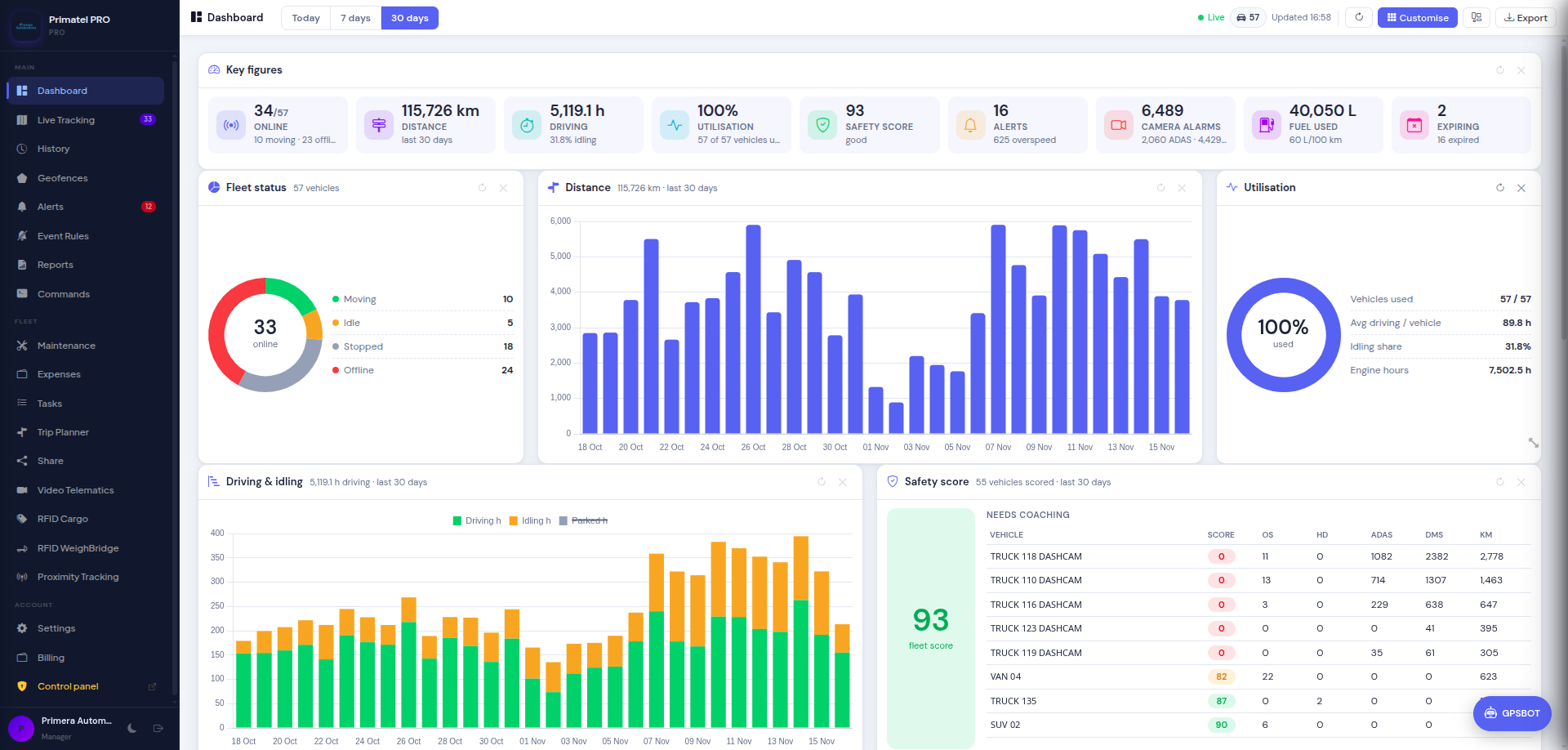
Where does Primera fit? Primera Fleet tracks engine data, driving against idling and utilisation, and puts them on a 30-day dashboard alongside engine hours per vehicle. Wiring a hydraulic or PTO work signal is not a standard Primera product. It is a machine-by-machine engineering job, and if it matters to your operation, talk to us about your setup and we will tell you honestly what is practical on the machines you have.
Eight questions to ask any telematics provider about plant
Before you sign for trackers on earthmovers, put these to the provider in writing:
- How do you count engine hours? From the ignition line, from an engine-running signal, or from the machine's own CAN data? Will your number match the cab hour meter within a sensible tolerance?
- How will you define idle on a machine that is meant to stand still? If the answer is "engine on and not moving", every excavator you own will look idle all day.
- Can you take a separate work input? Which signal will you tap on each machine type: hydraulic pressure switch, PTO-engaged line, pump signal? Who supplies and fits the switch?
- What can you read from the CAN bus on my specific machines? Ask for the brand, model and year list back with what is readable on each.
- Can you bring in OEM data? If some of your machines already report to the manufacturer's portal, can your platform pull it in through the ISO 15143-3 (AEMP) interface?
- What will the report look like? Engine, idle and work hours per machine, per shift and per site, and ideally against what the machine produced.
- How will the install survive the site? Vibration, mud, pressure washing and welding on the machine are all hazards for wiring and inputs.
- Who checks the signal after a repair? A hydraulic job or a replaced wiring loom can silently kill a work input. Ask how you will know.
What to do on Monday morning
- Read every hour meter yourself. Write down the cab reading on each machine first thing Monday and again on Friday evening. Put the hours next to what each machine produced that week: loads, cubic metres, lifts.
- Ask two operators to log their waiting. One week, two machines, a simple sheet: what time they stopped, why and for how long. The reasons are usually trucks, fuel, instructions or the survey team.
- Set an idle target. Start with Komatsu's managed figure of about 20 per cent and see how far off you are.
- Use what the machine already has. If your machines have automatic idle shutdown, Construction Equipment notes it can typically be set in increments from 5 to 60 minutes. Make sure it is switched on and not overridden.
- Fix the cause, not the operator. Most idling on a site is a scheduling problem. If the excavator waits for tippers every morning, the fix is tipper dispatch, not a lecture.
- Track engine hours and idling automatically on every machine, then decide which ones justify a wired work signal. Start with your biggest diesel burners.
The hour meter will keep turning whatever you decide. You might as well find out what it is counting.
About Primera Automations
Primera Automations installs and supports fleet telematics for transport, logistics and construction operators across 26+ Nigerian states, from our offices in Lagos, Abuja, Warri, Asaba and Aba. Primera Fleet brings engine data, utilisation, driving against idling and fuel onto one dashboard; if you run earthmoving plant and want to know what it is really doing, talk to our engineers.
Sources
- Construction Equipment (Walt Moore), How to Manage Engine Idling for Efficiency
- Komatsu (Greg Heckart), Tips for lowering your fuel costs even when prices are high
- Caterpillar, Operation and Maintenance Manual, 320D Excavator (SEBU8053-20)
- Legit.ng, Price War: Depot Owners Cut Diesel Prices Below Dangote's New Rate
- Infobric Fleet, Choose configuration for telematics device
- Geotab, PTO - Power Take Off installation guide
- CSS Electronics, J1939 Explained: A Simple Intro
- Lift and Access, ISO approves new mixed-fleet telematics standard