The first sign is a grey icon. One excavator on the dashboard has stopped reporting. Then a dozer. By the end of the month, a third of the machines on a road project in the north are "offline", and the plant manager has quietly stopped looking at the map.
When a technician finally climbs into the cabs, the stories are depressingly similar. A tracker cable-tied behind a panel, rattling against the steel every time the tracks moved. A connector with a film of red laterite dust inside it and green corrosion on the pins. A power wire chafed through where it passed over a sharp edge. An antenna tucked under a steel roof, where it could barely see the sky.
That scene is a composite, not a single reported case. But every element of it is ordinary, and that is the point. The tracker in a car spends its life in a sealed, upholstered cabin on tarmac. The tracker in a bulldozer lives inside a machine designed to hit the ground for a living.
Why should a finance director care about a small black box? Because that box is what stands between your machines and the protections you are paying for: out-of-hours alerts, theft response, engine hours for maintenance, fuel drain detection. When it fails, it fails silently, and the cost shows up later as a stolen battery nobody was alerted to, a service done 300 hours late, or a fuel bill nobody can reconcile. On a Nigerian site, the environment is working against it from the first day. One December NiMet forecast warned of dust haze across the north, with visibility of 2 km to 5 km and localised visibility below 1,000 metres. Then the rains come: the federal government's 2026 Annual Flood Outlook placed 14,118 communities in 266 local government areas across 33 states and the FCT in high flood-risk zones.
Dust for half the year, water and mud for the other half, and vibration all year round. This article is a buyer's guide to hardware and installation that can live with that.
A car tracker in a bulldozer's world
Most low-cost vehicle trackers are designed for the inside of a car or a light van. That is a forgiving place: a regulated temperature for much of the day, little standing water, modest vibration and a battery system designed around a road vehicle.
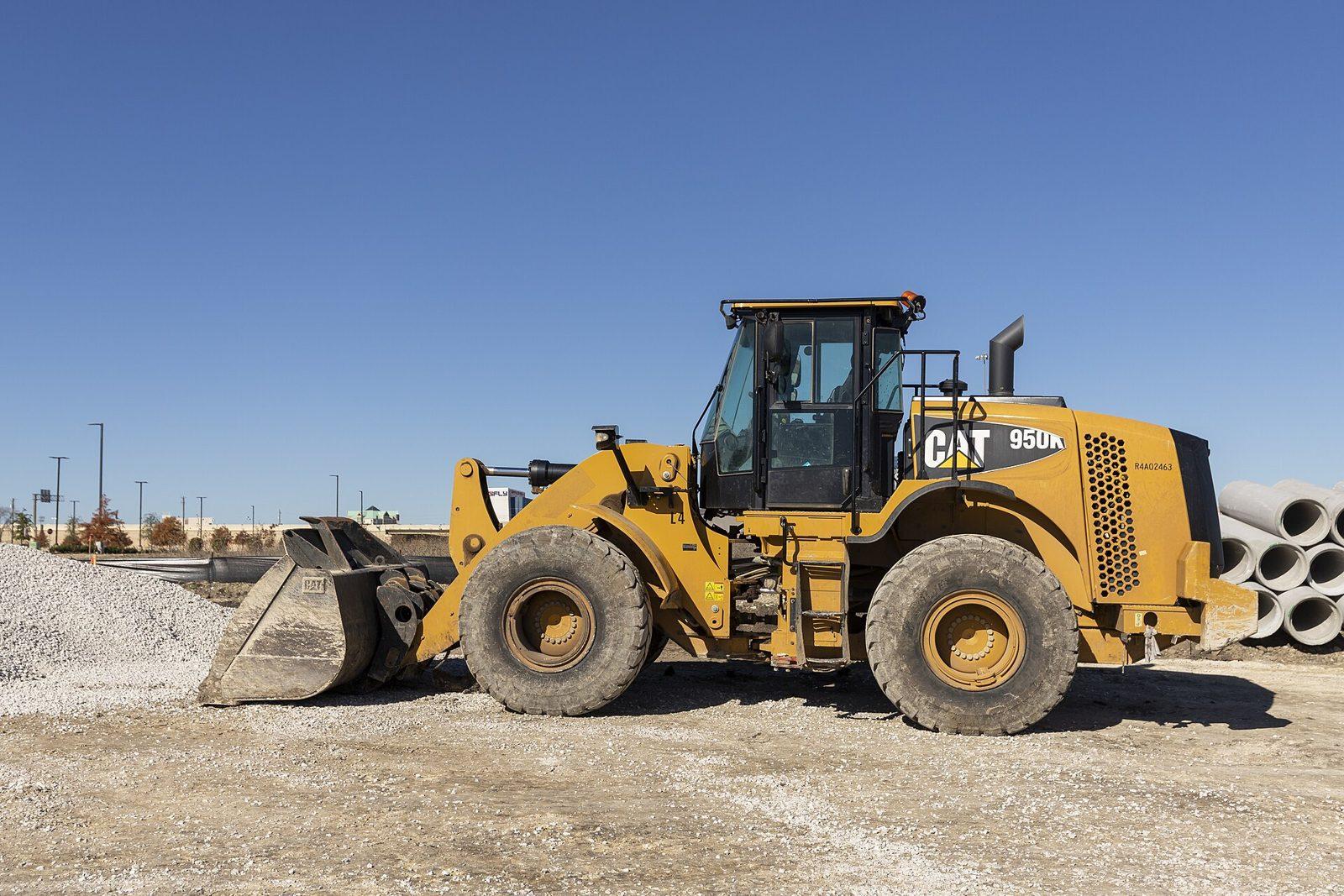
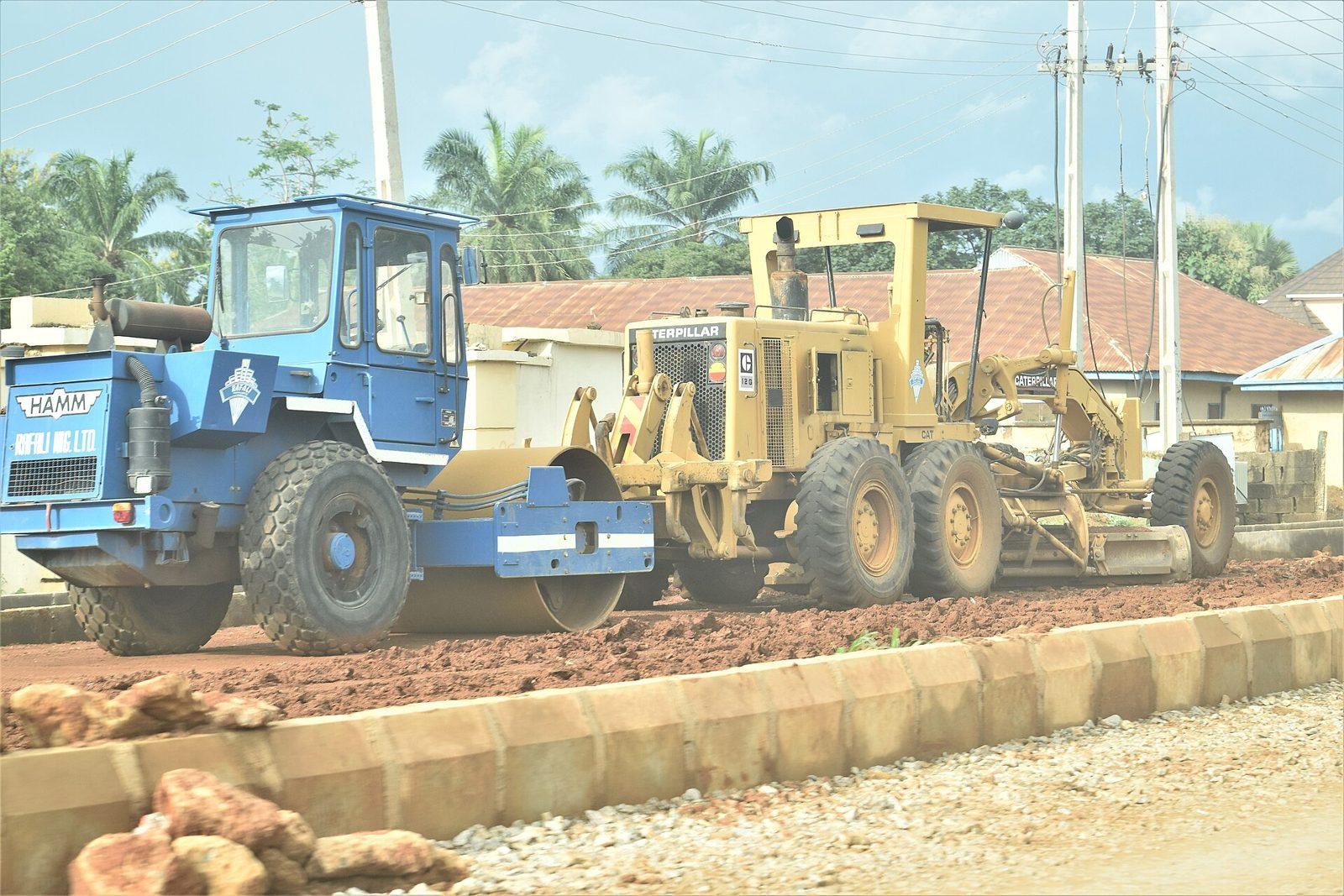
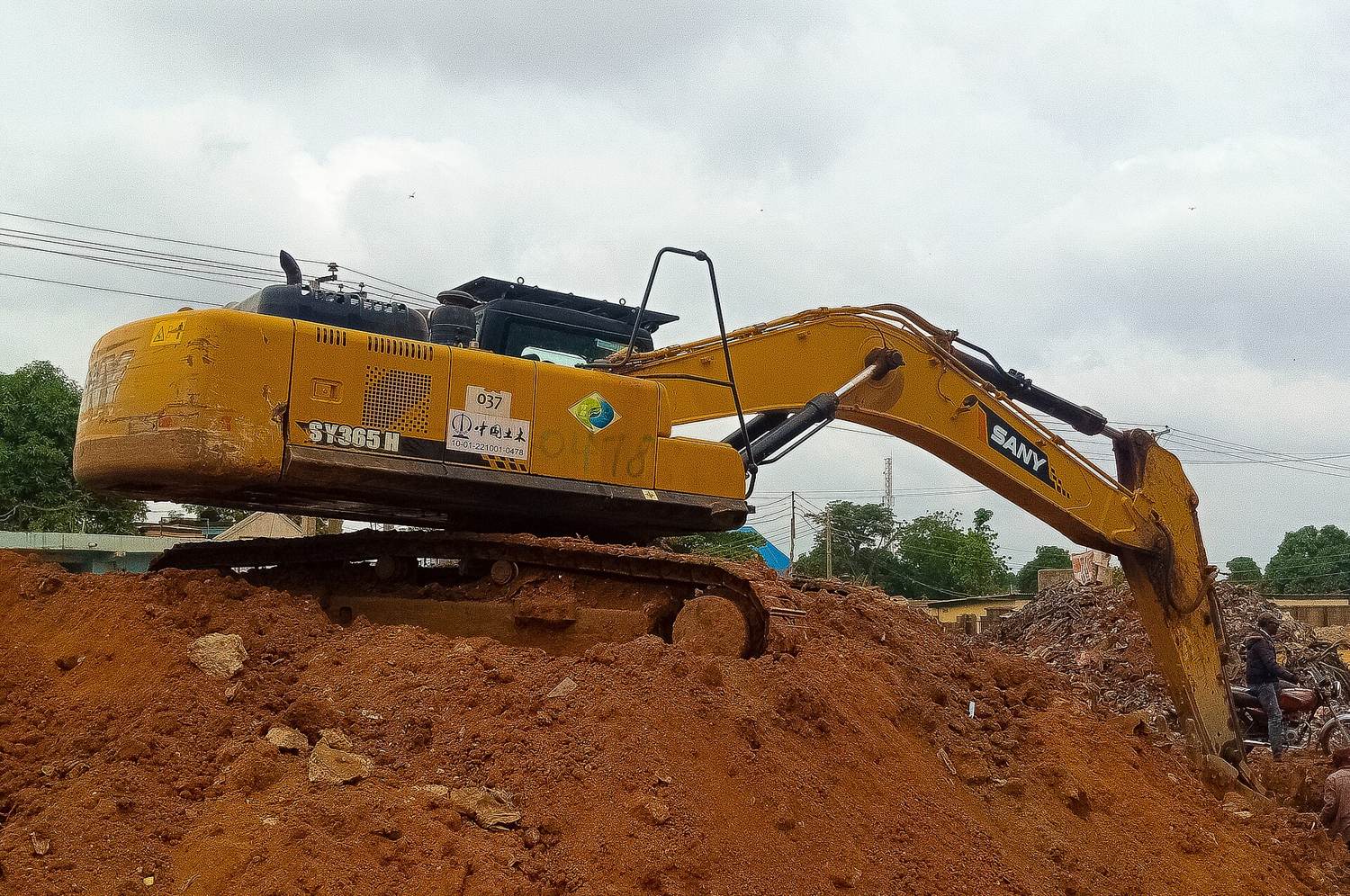
Heavy plant is different in almost every respect. A crawler excavator transmits the shock of its bucket hitting rock straight through the frame. A vibratory roller is, by design, a machine whose job is to shake. Tippers and graders spend their lives on corrugated laterite. Machines are washed down with hoses, parked in puddles and worked through dust storms. The electronics are bolted to that, and they experience every bit of it.
Engineers have recognised the difference for decades. SAE International publishes a recommended practice, J1455, whose scope covers "the range of environments which influence the performance and reliability of the electronic equipment designed for heavy duty on and off road vehicles". There is a separate standard for heavy-duty electronics precisely because the heavy-duty environment is harsher. A device that was never designed or tested for it is gambling with your money.
Reading the IP code without being fooled
The IP code you see on datasheets, IP54, IP65, IP67 and so on, comes from the International Electrotechnical Commission's standard IEC 60529, Degrees of protection provided by enclosures (IP Code). It has two digits. The first describes protection against solid objects and dust. The second describes protection against water. Higher is generally better, but the details matter more than the headline.
Here is what the codes you are most likely to be offered actually mean, summarised from the descriptions published by a US environmental test laboratory and the widely used IP code reference:
| Code | Dust (first digit) | Water (second digit) | Fit for an open construction site? |
|---|---|---|---|
| IP54 | 5: dust protected. Dust is not entirely kept out, but must not enter in a quantity that interferes with operation | 4: splashing water from any direction has no harmful effect | Marginal. Acceptable inside a sealed cab, not in an engine bay or on the chassis |
| IP65 | 6: dust-tight. No ingress of dust | 5: water jets from a 6.3 mm nozzle at 12.5 litres a minute from 3 m | Good for dust and hosing; not tested for immersion |
| IP66 | 6: dust-tight | 6: powerful jets from a 12.5 mm nozzle at 100 litres a minute from 3 m | Good for dust and heavy wash-down; not tested for immersion |
| IP67 | 6: dust-tight | 7: immersion up to 1 m for 30 minutes | Good for dust, puddles and flooded yards; not automatically tested against jets |
That last column hides the trap most buyers fall into. Water ratings are not a simple ladder. The reference notes that "the ratings for water ingress are not cumulative beyond IPX6": a device tested for immersion (7) has not necessarily been tested against powerful jets (6). A product that passes both is marked with both, for example IP66/IP67. If your machines are pressure-washed, ask for the jet rating as well as the immersion rating. For high-pressure, high-temperature wash-down there is a further rating, IP69K, which the same reference traces to a German standard originally developed for road vehicles and later superseded by ISO 20653.
The dust digit deserves more respect than it gets. "Dust-tight" (6) is a demanding test: the reference describes it as a vacuum test that can last up to eight hours. "Dust protected" (5) means some dust is allowed in. In harmattan, on laterite, "some" adds up.
An IP rating describes a box on a test bench. Your machine is not a test bench.
Two more cautions. First, an IP rating applies to the enclosure as it was tested, including its cable entries and connectors. As DigiKey's engineering editors explain, IP67 protection in connectors "is accomplished primarily by a tight seal between the mating housings of the two mated connectors". Leave a connector half-seated, use the wrong plug, or cut a hole for an extra cable, and the rating on the datasheet no longer describes the thing in your machine. Second, the rating covers the device, not the wires around it. A sealed box on the end of an unprotected wire is only as good as the wire.
Vibration and shock: the slow killer
Water and dust failures tend to be visible. Vibration failures are sneakier, because the damage accumulates: a connector works loose, a bracket tires, a joint cracks. The device works perfectly in the workshop and then fails, intermittently at first, months into the job.
Two families of standards are worth knowing by name.
ISO 16750-3 deals with the mechanical loads on electrical and electronic equipment in road vehicles. Intertek, one of the large independent test houses, summarises its scope as sinusoidal vibration, random vibration, mechanical shock, free fall and gravel bombardment, and notes that "the standard is structured to allow test severity to be defined based on installation location within the vehicle". In other words, a device rated for a passenger compartment has passed a gentler test than one rated for the chassis or the engine.
IEC 60068-2 is the general environmental testing series used across industries. Within it, IEC 60068-2-6 "specifies a method to assess the ability of specimens to withstand sinusoidal vibration", and IEC 60068-2-27 covers mechanical shock. The shock test, Intertek explains, "is designed to reveal mechanical weaknesses, performance degradation, or accumulated damage due to shock events".
You do not need to read the standards. You do need to ask the question: which vibration and shock tests has this device passed, to what severity, and for which mounting location? A supplier who answers with a test standard, a severity level and a report from an independent laboratory is having a different conversation from one who says "it is very strong".
Where installations actually fail
Here is the uncomfortable truth for buyers who spend all their attention on the device: on a construction site, many failures are installation failures. A well-built tracker, badly installed, will fail. A good installation gives even modest hardware a fighting chance.
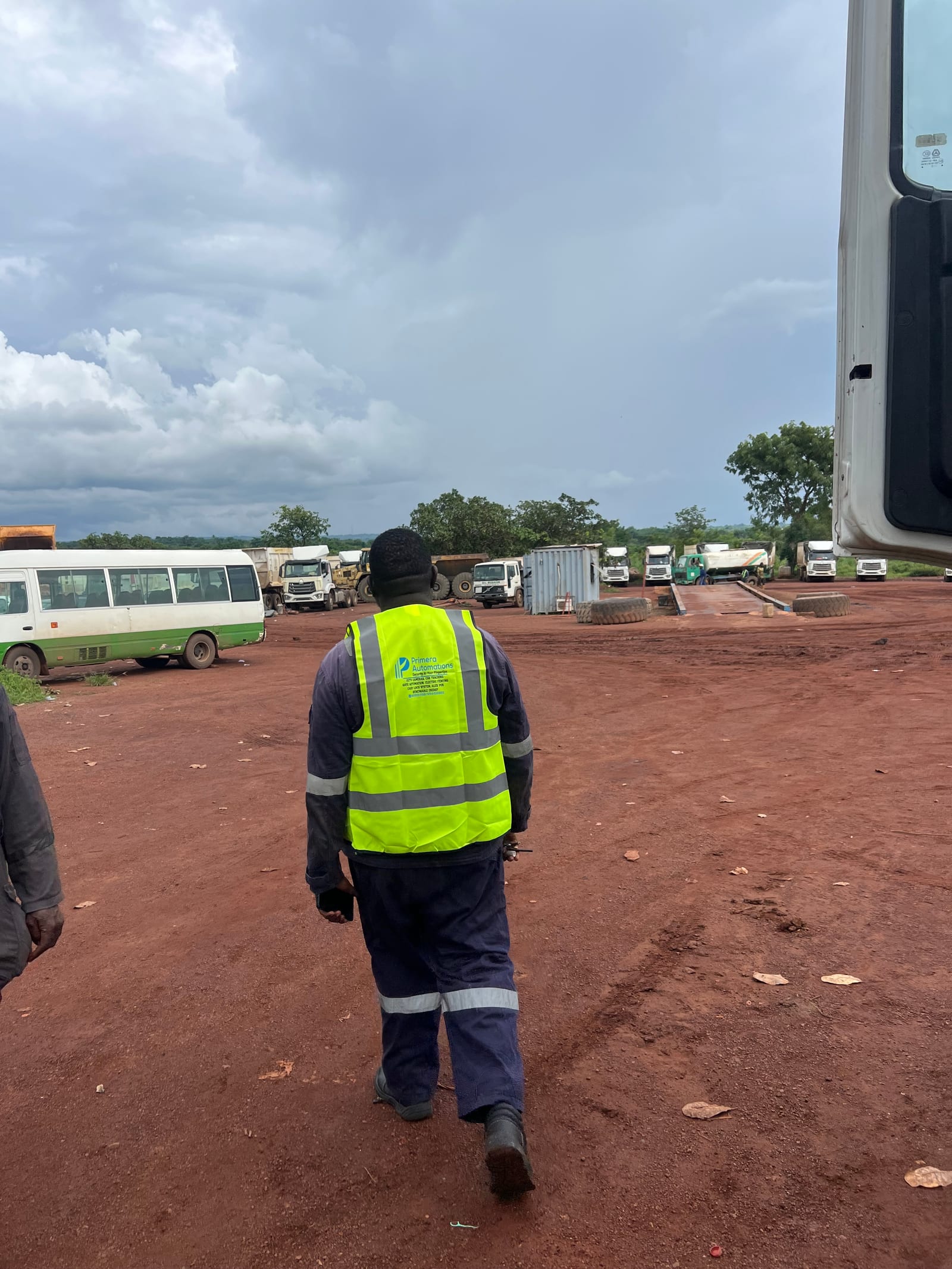
Loose wiring and chafing. Every cable in a working machine moves. Where it passes over an edge or through a bulkhead without protection, it wears through. Truck manufacturers are blunt about this in their instructions to body builders; Scania's electrical guide states that "any additional cabling must be affixed to prevent chaffing".
Power and earth connections. A tracker is only as reliable as its supply. The same Scania guide is specific about where add-on equipment may draw power and be earthed, warning that grounding in the wrong frame member "will cause voltage drops" and that the battery ground screw "must never be used for grounding of bodywork functions". Every machine is different, which is exactly why the installer needs to know the machine rather than splice into the nearest convenient wire.
Water and dust at the joins. The weakest points are where cables enter enclosures and where connectors meet. DigiKey's article notes that liquids entering a connector system "can cause shorts", and that abrasive or corrosive particles "can cause permanent connector failure". Sealed connectors, properly seated, with cables routed so water runs away from the joint rather than into it, are not optional extras on a site.
Mounting. A device left hanging on its own wiring, or held with a single cable tie, is being shaken to death. It should be fixed to a rigid part of the structure, in the location its vibration rating was tested for, away from direct heat sources and out of the path of hoses and boots.
Antenna placement. Satellite positioning needs sky. A timing-equipment maker's technical guide puts it simply: "Roofs, walls, metal structures, and dense construction materials can block or weaken satellite signals". An antenna hidden under a steel cab roof or deep inside a chassis rail will produce wandering positions and dropped fixes. Good installers balance the need for sky view against the need to keep the antenna out of sight and out of harm's way.
The buyer's checklist
Take this into your next supplier meeting. If the answers are vague, so is the product.
| Ask | Why it matters | A good answer sounds like |
|---|---|---|
| What is the IP rating, in full? | IP54 and IP67 are very different devices | A complete code, e.g. IP66/IP67, on the datasheet, not just in conversation |
| Does that rating include the cable entries and connectors as installed? | The rating applies to the tested assembly | Yes, with sealed connectors specified and supplied |
| Which vibration and shock tests has it passed? | Vibration failures are slow and expensive | Named standards (e.g. ISO 16750-3, IEC 60068-2-6, IEC 60068-2-27), severity and mounting location |
| Who did the testing? | Self-declared results vary in rigour | An independent laboratory report you can see |
| What supply voltage range does it accept, and what electrical protection does it have? | Machines differ, and the supply on a working machine is not always clean | A stated range that covers every machine in your fleet, with the protections listed on the datasheet |
| What happens if external power is cut? | Batteries get stolen and wires get cut | A defined backup behaviour and an alert to you |
| How will it be mounted and wired on my machines? | Installation is where most site failures start | A named method per machine type, not "we will see on the day" |
| Who maintains it after installation? | Sites move; machines get repaired and rewired | A support process, with engineers who can reach your sites |
Why the hands matter as much as the hardware
Handing a box to whichever electrician is nearest is how many of the failures above begin. A professional installation on heavy plant should mean looking at each machine type before work begins, choosing mounting points and cable routes that suit that machine, sealing every joint, testing the installation before anyone signs it off, recording what was done and where, and being able to come back when the machine is rewired, repaired or moved to another state.
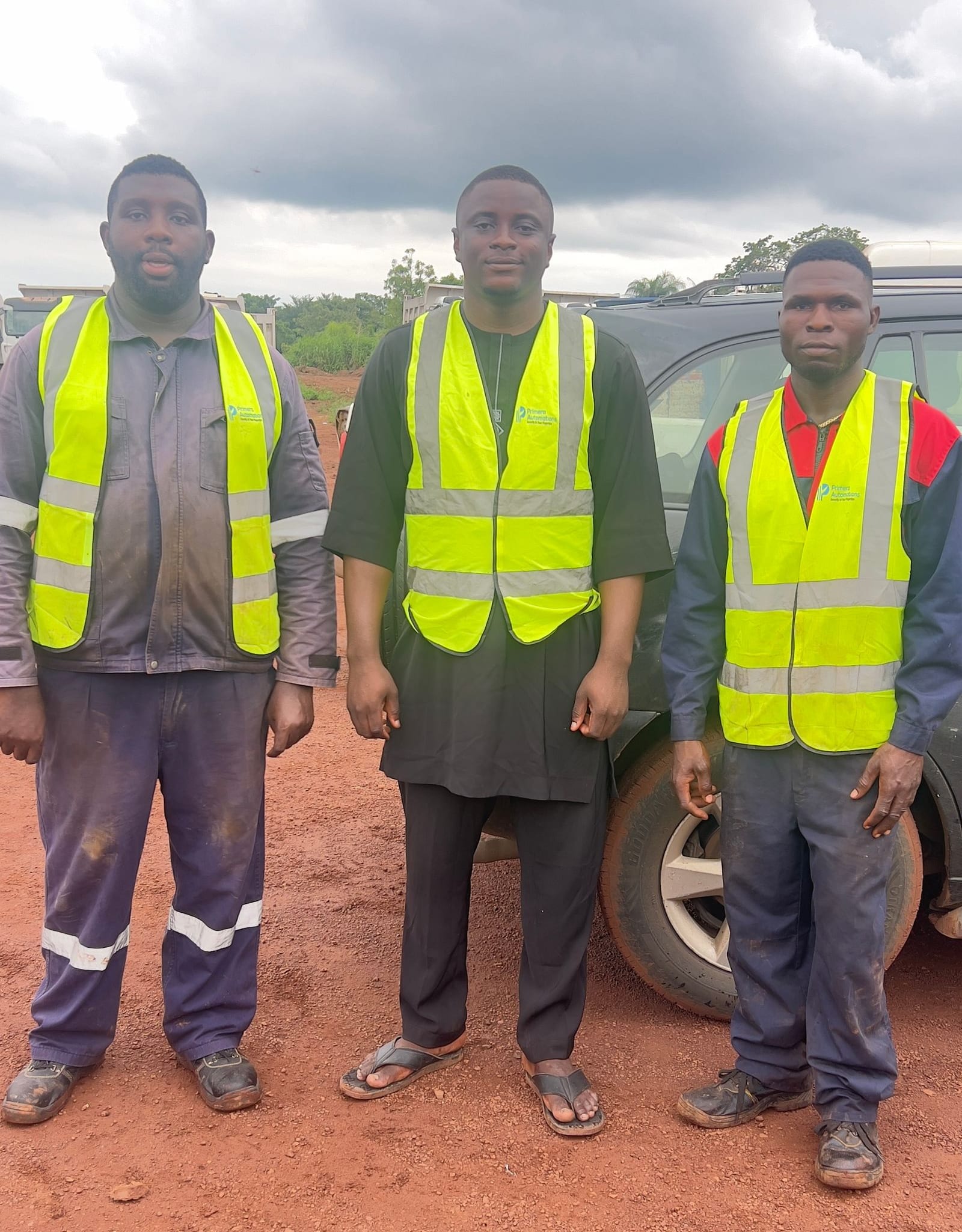
That is the standard our engineers work to. Primera installs in more than 26 states, from offices in Lagos, Abuja, Warri, Asaba and Aba, and supports what it installs. Once a machine is reporting reliably, everything on the Primera Fleet platform becomes useful: live tracking, geofences, out-of-hours alerts, engine-hour maintenance reminders and, where sensors are fitted, fuel monitoring. Without a reliable installation, all of that is a grey icon.
This is a buyer's guide, not a spec sheet, so we will not quote device numbers here. Bring the checklist above to us and we will walk through every question for your machines.
What to do on Monday morning
- Pull your offline list. Which machines have stopped reporting, or report intermittently, in the last 90 days? That list is your installation audit, already written.
- Open three installations. Pick an excavator, a roller and a tipper. Look at mounting, cable routing, connectors and antenna position. Take photographs.
- Collect datasheets. For every device model in your fleet, find the full IP code and any vibration and shock test standards. Note where there are none.
- Match the hardware to the location. Devices with lower ratings belong inside sealed cabs; anything on the chassis or near the engine needs dust-tight and water-jet protection at least.
- Schedule remedial work before the season turns. Fix installations before harmattan and before the rains, not during them.
- Get a second pair of eyes. If you want an engineer's view of your machines and your installations, talk to us.
The box is small. The machine it protects is not. Buy for the job site you actually have, and make sure the hands that fit it know that site too.
About Primera Automations
Primera Automations designs, installs and supports fleet telematics for construction, logistics and industrial operators across Nigeria, with engineers working from Lagos, Abuja, Warri, Asaba and Aba and installations in more than 26 states. Our engineers install and maintain the hardware on your machines, and the Primera Fleet platform turns what it reports into tracking, alerts, maintenance reminders and fuel control. Talk to us about your machines.
Sources
- Premium Times (News Agency of Nigeria), NiMet predicts three-day dust haze from Friday
- ThisDay, FG Unveils 2026 Outlook: 14,000 Communities Across 266 LGAs in 33 States Face High Flood Risk
- SAE International, J1455_201703 Recommended Environmental Practices for Electronic Equipment Design in Heavy-Duty Vehicle Applications
- International Electrotechnical Commission, IEC 60529:1989+AMD1:1999+AMD2:2013 CSV, Degrees of protection provided by enclosures (IP Code)
- D.L.S. Electronic Systems, IEC 60529 and EN 60529 Testing
- Wikipedia, IP code
- DigiKey, How to Design for Rugged Environments Using Sealed Connectors
- Intertek, ISO 16750-3: Mechanical Load Conditions Testing for Automotive Electronic Components
- Intertek, IEC 60068-2-6 Test Fc: Sinusoidal Vibration Testing
- Intertek, IEC 60068-2-27 Test Ea: Shock
- Scania (GB) Sales Engineering, Bodybuilder Quick Reference Guide: Electrical Interfaces
- Masterclock, GPS/GNSS Antenna Placement and Environmental Limitations