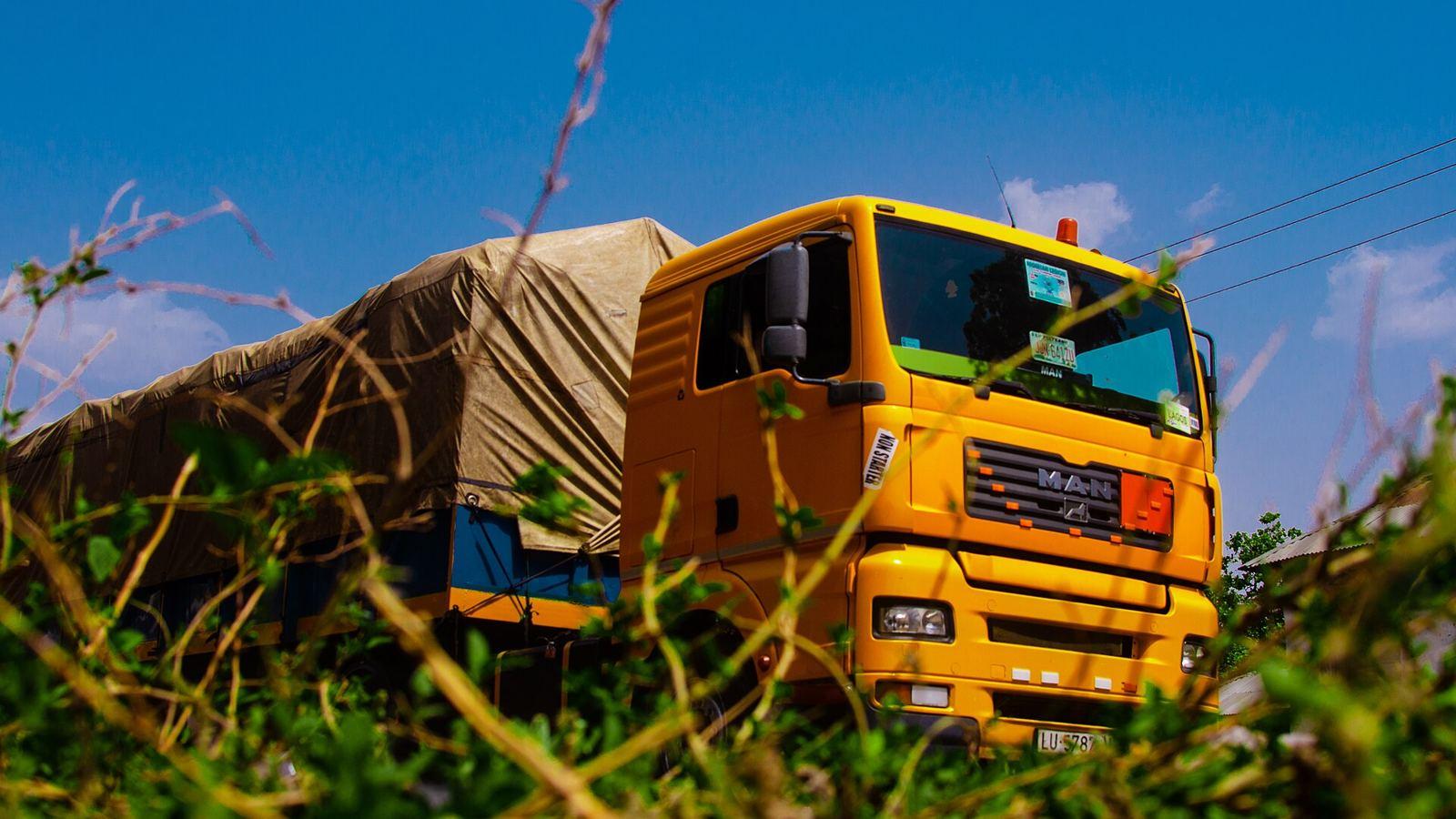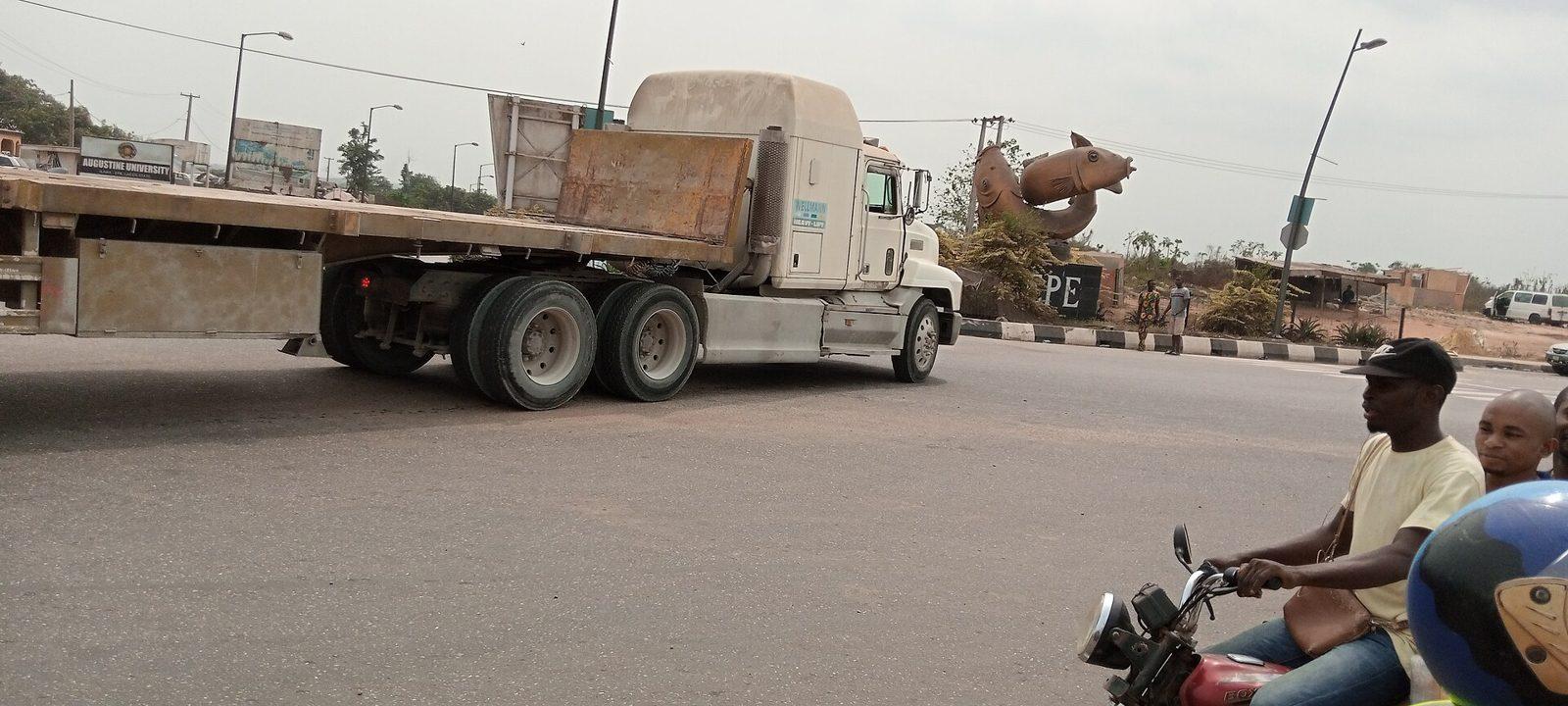
It is 4:40 on a Thursday afternoon in a haulage office anywhere near the Lagos ports. The phone rings. It is the importer's logistics officer, and she wants to know where her 40-foot container is, because her warehouse team knocks off at six and she has a production line waiting for what is inside it.
The dispatcher says he will call her back. He rings the driver, who does not pick up, because he is inching through the Mile 2 traffic with both hands on the wheel. He rings again. The driver answers on the third attempt, says he is "around Coconut", and that he should be there "soon". The dispatcher calls the importer back and passes that on, word for word. At 5:15 she calls again.
Every haulier in Nigeria knows this conversation, because it happens dozens of times a week. It is not anyone's fault, exactly. It is what happens when the only way a customer can see a truck is through two phone calls and a driver's best guess.
Here is why it deserves a manager's attention. When the supply-chain consultancy Adelante SCM asked shippers which technology capabilities offered by forwarders and logistics providers they valued most, real-time shipment tracking came first, chosen by 67%. In a separate survey run by FreightWaves with a shipment-tracking vendor, only 1 in 5 shippers agree their logistics service providers offer sufficient visibility. Your customers want to see their cargo, most of them feel they cannot, and the gap between the two is something you can close this week with the telematics already fitted to your trucks.
Lagos turns every arrival time into a guess
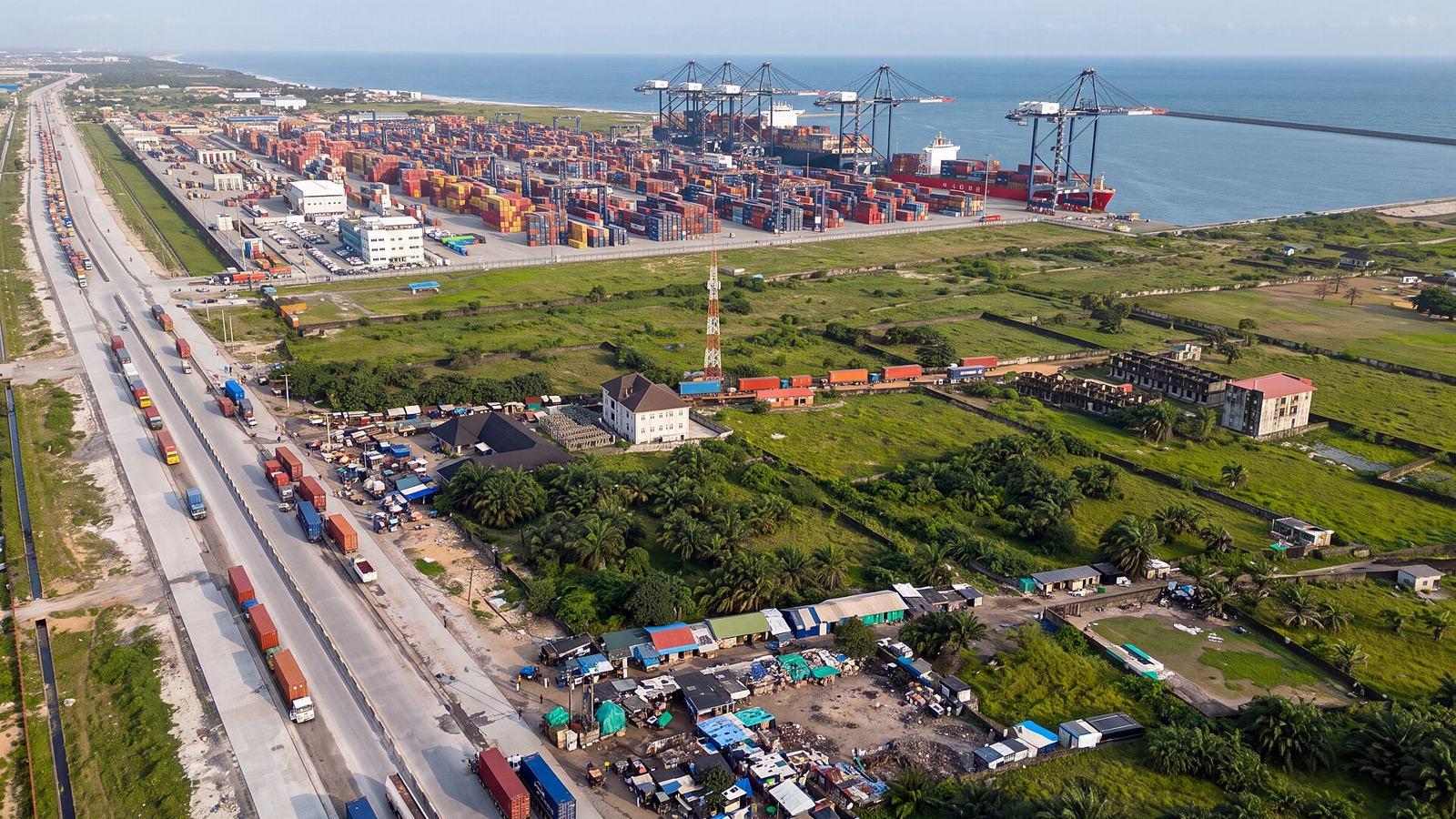
Nigerian cargo owners have earned their anxiety. Leadership has reported that before the Eto electronic call-up system arrived at the Lagos ports, it took an average of two weeks just to access the Tin-Can Island and Apapa seaports. Truck Transit Park, which runs Eto, says average turnaround for port-bound trucks has since fallen to about three days. That is a real improvement, and it is still three days in which a shipper can do nothing but wait and wonder.
The roads have not become predictable either. In May, truckers' representatives told Shipping Position that traffic on the Tin Can and Apapa port corridors "usually begins to build up from about 5pm", and one coalition leader put it bluntly: "From evening till early morning, that is peak time for container traffic." In July, the National Association of Road Transport Owners told Vanguard that hundreds of petroleum tankers regularly occupy the roads linking Apapa, Kirikiri, Coconut and Tin Can while they wait to load, in queues stretching for several kilometres.
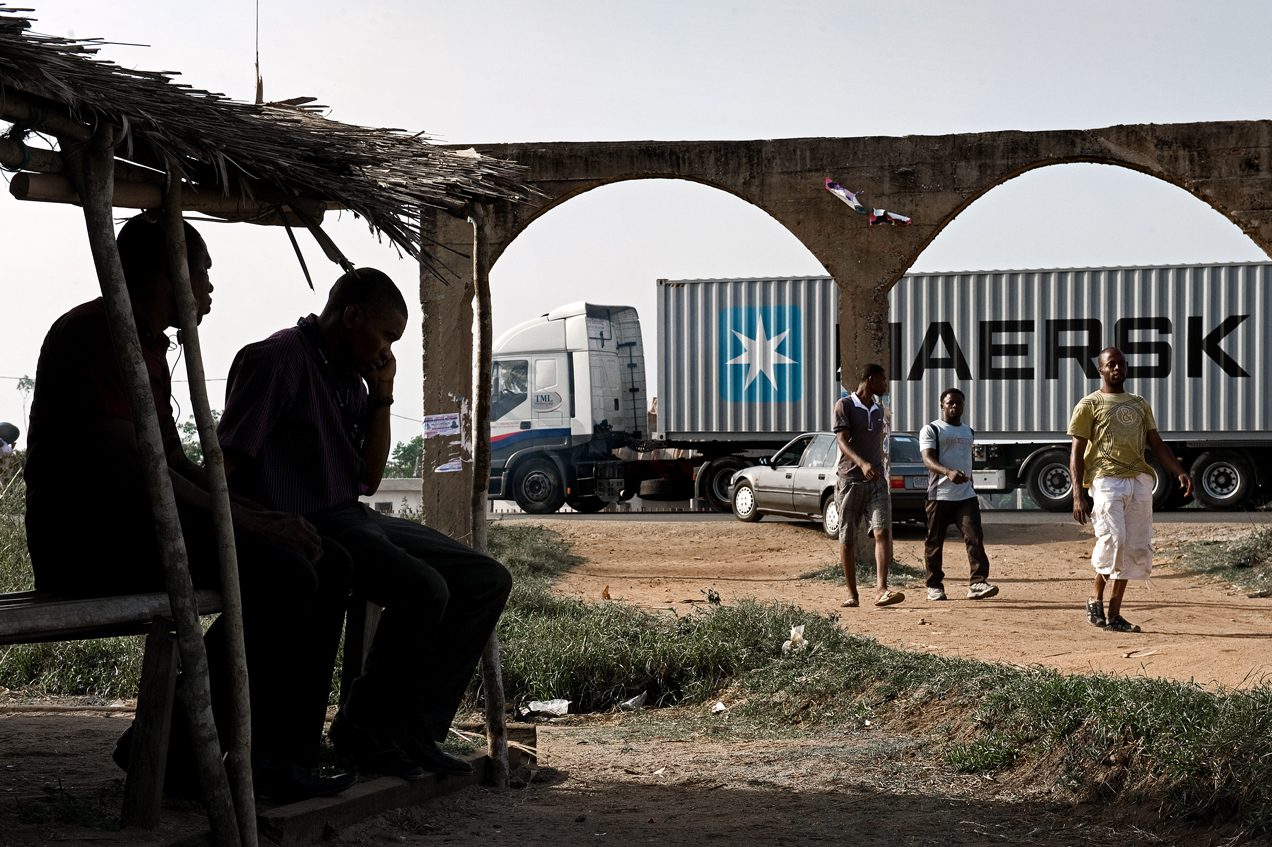
In that environment, no dispatcher can promise an arrival time with confidence, and every shipper knows it. That is precisely why they keep calling. They are not asking for a promise. They are asking to see for themselves.
The real price of a status call
The cost of a "Where is my container?" call rarely appears in anyone's accounts, because it is paid in fragments: a few minutes of a dispatcher's day, a few naira of airtime, a driver's attention.
Customer-service research gives a sense of scale. A 2019 Gartner survey of service leaders, reported by destinationCRM, found that live channels cost an average of $8.01 per contact, against about 10 cents for self-service. Those are American figures and your costs are not American costs. But the ratio is the point: a question a customer answers for themselves costs a tiny fraction of one a person has to answer for them.
Here is a worked example for a mid-sized Nigerian haulage operation. Every figure is an assumption; replace them with your own.
| Assumption or result | Figure |
|---|---|
| Container trips per week | 40 |
| Shipper status calls per trip | 3 |
| Calls from dispatcher to driver, one per status call | 3 |
| Average time per call, including hold and call-back | 4 minutes |
| Dispatcher phone time per week | 40 × 6 × 4 = 960 minutes, or 16 hours |
| Dispatcher phone time per month | about 69 hours |
| Assumed cost of dispatcher time | ₦2,000 per hour |
| Monthly cost in dispatcher time alone | about ₦139,000 |
| Calls made to drivers who may be at the wheel | 120 a week |
The naira figure is not ruinous on its own. What it hides is worse. Sixty-nine hours a month is close to two-fifths of a dispatcher's working month spent relaying positions instead of planning loads, chasing call-up slots or finding a backhaul. And every one of those 120 weekly calls to a driver is an invitation to break the law: use of a phone while driving carries four penalty points and a ₦4,000 fine under the Federal Government's published schedule of traffic offences, and a far higher price if it ends in a crash.
The status call is the most expensive way to answer the simplest question in haulage.
What a live link shows, and what it does not
The alternative is simple. Instead of relaying the truck's position, you send the shipper a link to it.
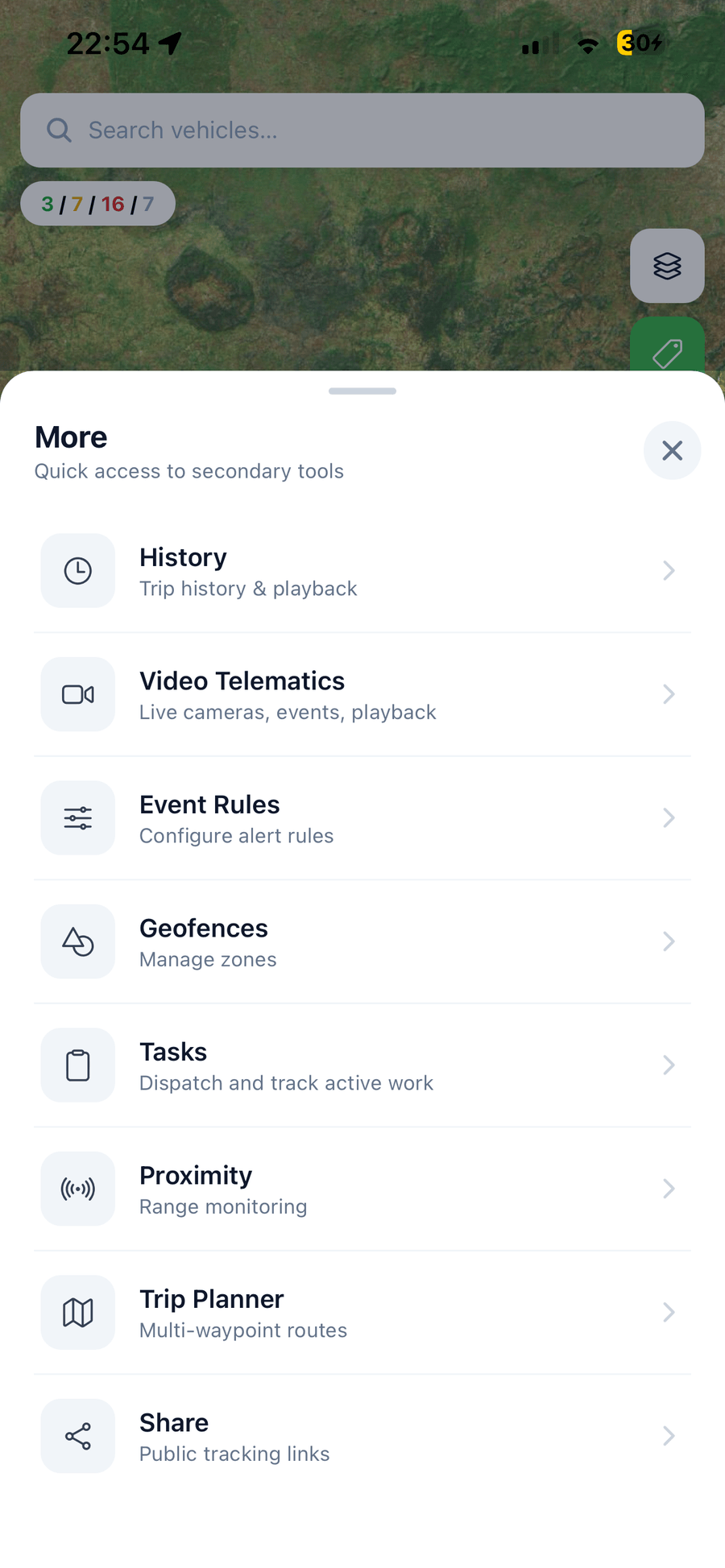
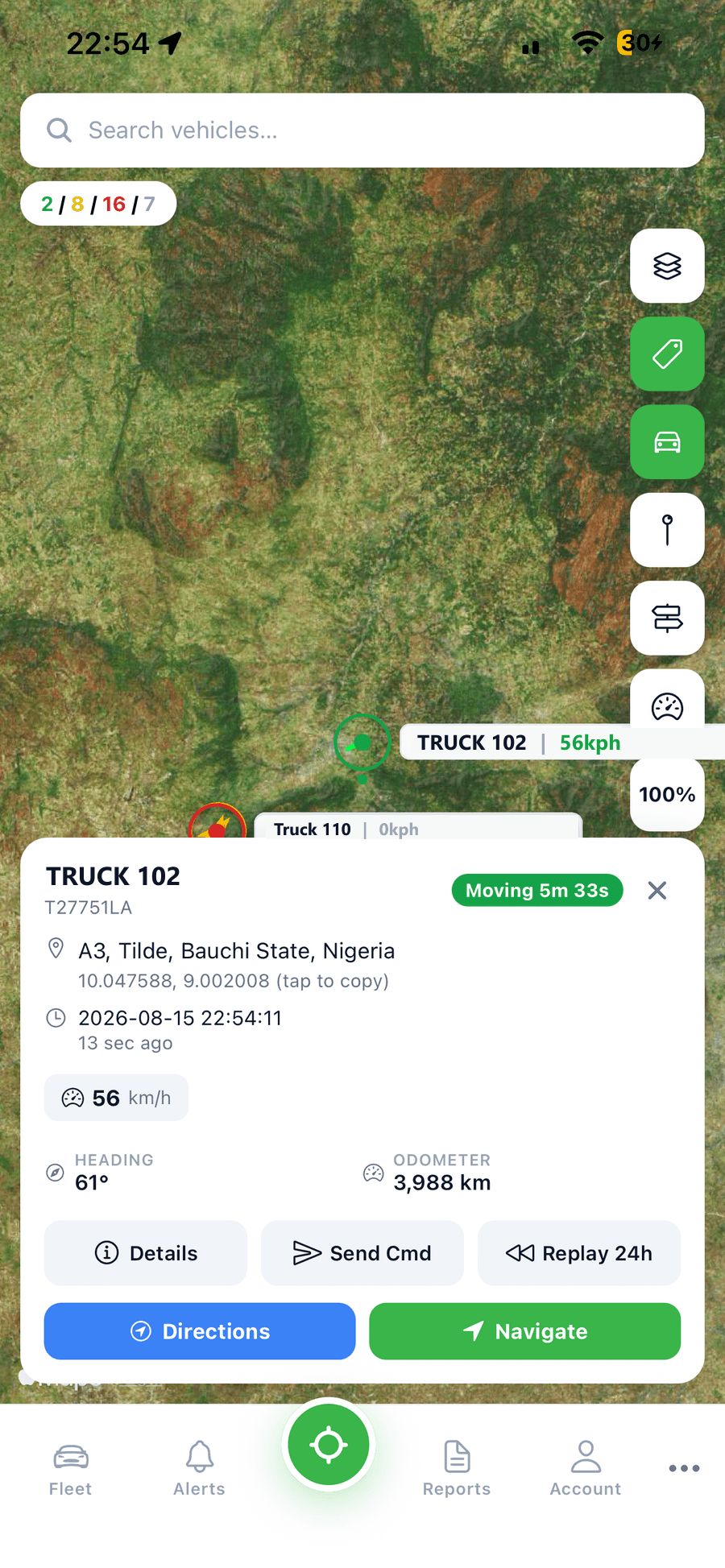
On Primera Fleet, sharing is built in: you choose a vehicle, generate a live location link and send it to the person who needs it, by WhatsApp, SMS or email. They open it on their phone, without needing an account of their own, and see where the truck is right now. The next time they wonder, they look instead of calling.
It is worth being precise about what the shipper gets, because overselling it would undo the trust you are trying to build.
What they can see: the truck's live position on a map, updated as it moves, and therefore its progress along a route they usually know far better than you do. A logistics officer in Ikeja who can see a truck clear the Ijora bridge does not need anyone to tell her it is getting closer.
What it is not: an automatic, computer-predicted arrival time. No honest system can promise the Mile 2 queue, a call-up delay or a checkpoint. The arrival time your customer works out is their own judgement, made from live position and progress. If something is holding the truck, add a one-line message of context ("waiting for the 22:00 call-up slot") and you have given them more than any prediction could.
That honesty is the selling point. The shipper is no longer taking your word for it. They are watching it happen.
Turning visibility into a reason to choose you
Most hauliers treat tracking as an internal control: a way to keep an eye on drivers, routes and fuel. The firms that win contracts treat it as part of the product they sell.
Put it in the quotation. "Live tracking link for every consignment, at no extra charge" is a concrete, checkable promise, and it answers the very capability shippers rank first. When a cargo owner is comparing your rate with a competitor's, the one who lets them watch their container may not need to be the cheapest.
Use the history, not just the live view. Primera Fleet keeps route history and reports, including stoppages and geofence visits. Draw a geofence around a customer's warehouse and the platform records when your truck arrived and when it left. When a dispute arises about late delivery or hours spent waiting at the customer's gate, you can answer with a time-stamped record rather than a driver's recollection.
Be first with bad news. With live position in front of you, you will usually see a delay before your customer does. A message that says "Your truck is in the Kirikiri tanker queue, we expect a two-hour delay" sent before they ask is worth more to the relationship than any on-time delivery.
A protocol for sharing links safely
A live location is sensitive information. It tells the person holding it where a loaded truck is, in real time. Treat it with the same care you would give a key.
- One link per consignment. Create the link when the container is loaded, for the truck carrying it, and tie it to that job in your records.
- Send it to a named person. The importer's logistics officer, not a 200-member WhatsApp group. Ask them not to forward it.
- Say what it is. A short note helps: "This shows our truck's live position. It is not an automatic arrival time; call us if you see it standing still for long."
- Keep the driver off the phone. Tell drivers that customer queries now go to the office, and that the office will not call them while they are moving except in an emergency.
- End it when the job ends. When delivery is signed for, stop sharing, so the link cannot be used to follow your truck on its next job. Talk to us about how sharing is set up on your account.
- Review once a month. Check which links are still live, and how many status calls you are still receiving. The second number is your scorecard.
What to do on Monday morning
- Count the calls. For one week, ask your dispatchers to tally every "Where is my truck?" call and every call they make to a driver as a result. You will want the before figure.
- Pick three customers. Choose your most anxious, most valuable or most demanding shippers, and offer them a live link on their next consignment.
- Rewrite your driver guidance. One line: customer questions go to the office, and nobody phones a moving driver except in an emergency.
- Draw the geofences. Put a fence around each regular customer's warehouse and your main pick-up points, so arrival and departure times are recorded without anyone writing them down.
- Add it to your next quotation. Name live tracking as part of the service, in plain words, and see whether it changes the conversation.
- Count again in a month. If the calls have fallen and the customers are happier, roll it out to everyone.
Your trucks already know where they are. The only question is whether your customers do.
About Primera Automations
Primera Automations gives haulage and logistics fleets live tracking, route history, geofence reports and shareable live location links through the Primera Fleet platform, on the web and on mobile. If you want your customers watching their cargo instead of phoning about it, talk to us about your setup.
Sources
- Talking Logistics, Freight Forwarders and Real-time Freight Visibility (reporting Adelante SCM's 2025 State of Digitization in Freight Forwarding survey)
- FreightWaves and Tive (vendor research), Survey Report: Shippers Dissatisfied by Lack of Shipment Visibility
- Leadership, How Eto call-up system is reducing truck waiting time at Lagos seaports
- Shipping Position, Evening gridlock: Truckers blame SOP violations, illegal call-up practices along Tin Can, Apapa ports corridor
- Vanguard via AllAfrica, Oil Cartels, Tanker Operators, Enforcement Agencies Blamed for Apapa, Kirikiri Gridlock
- destinationCRM, Gartner Survey Finds Self-Service Insufficient
- Legit.ng, Federal Government Releases List of Traffic Offenses and Penalties for Nigerians in 2026