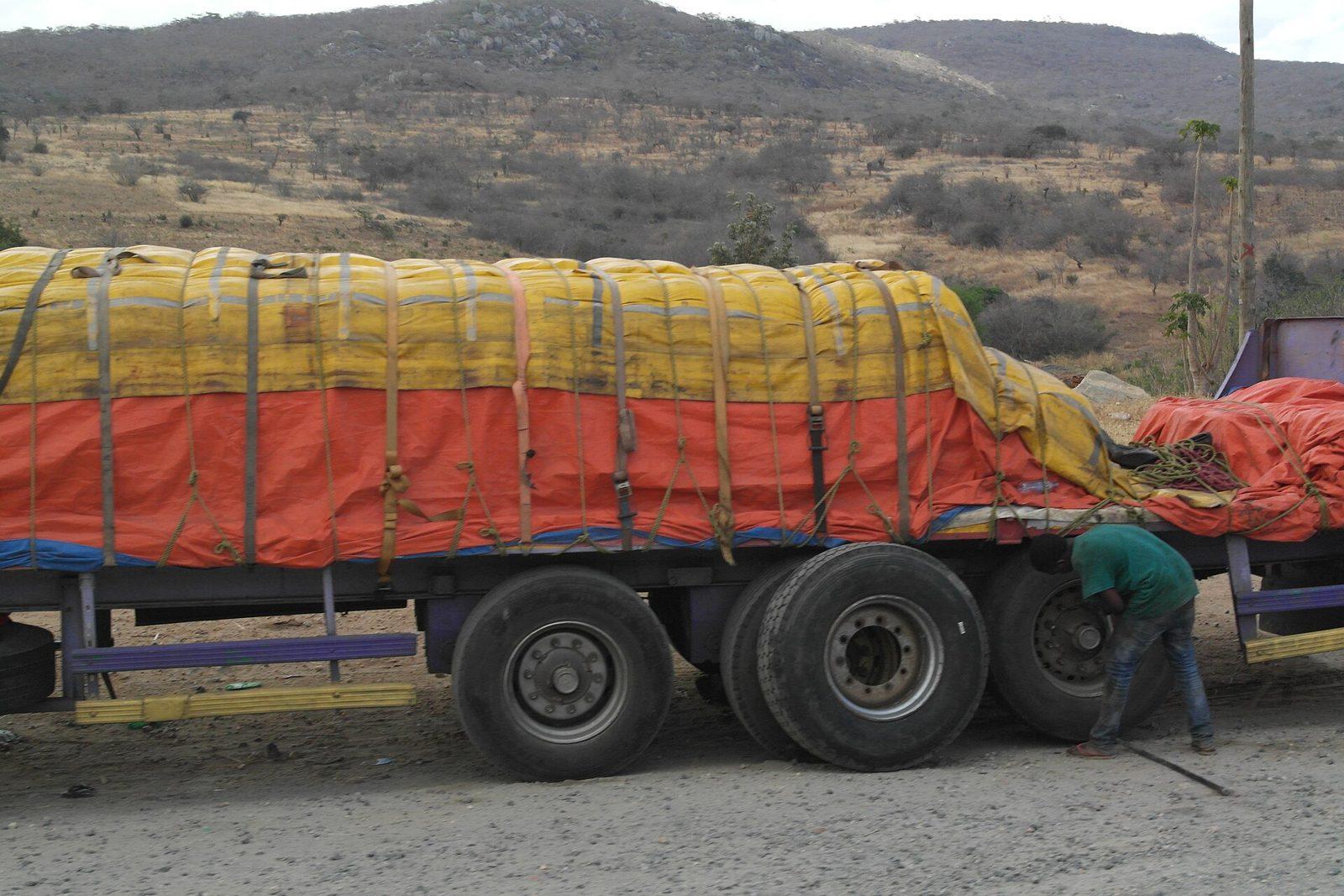
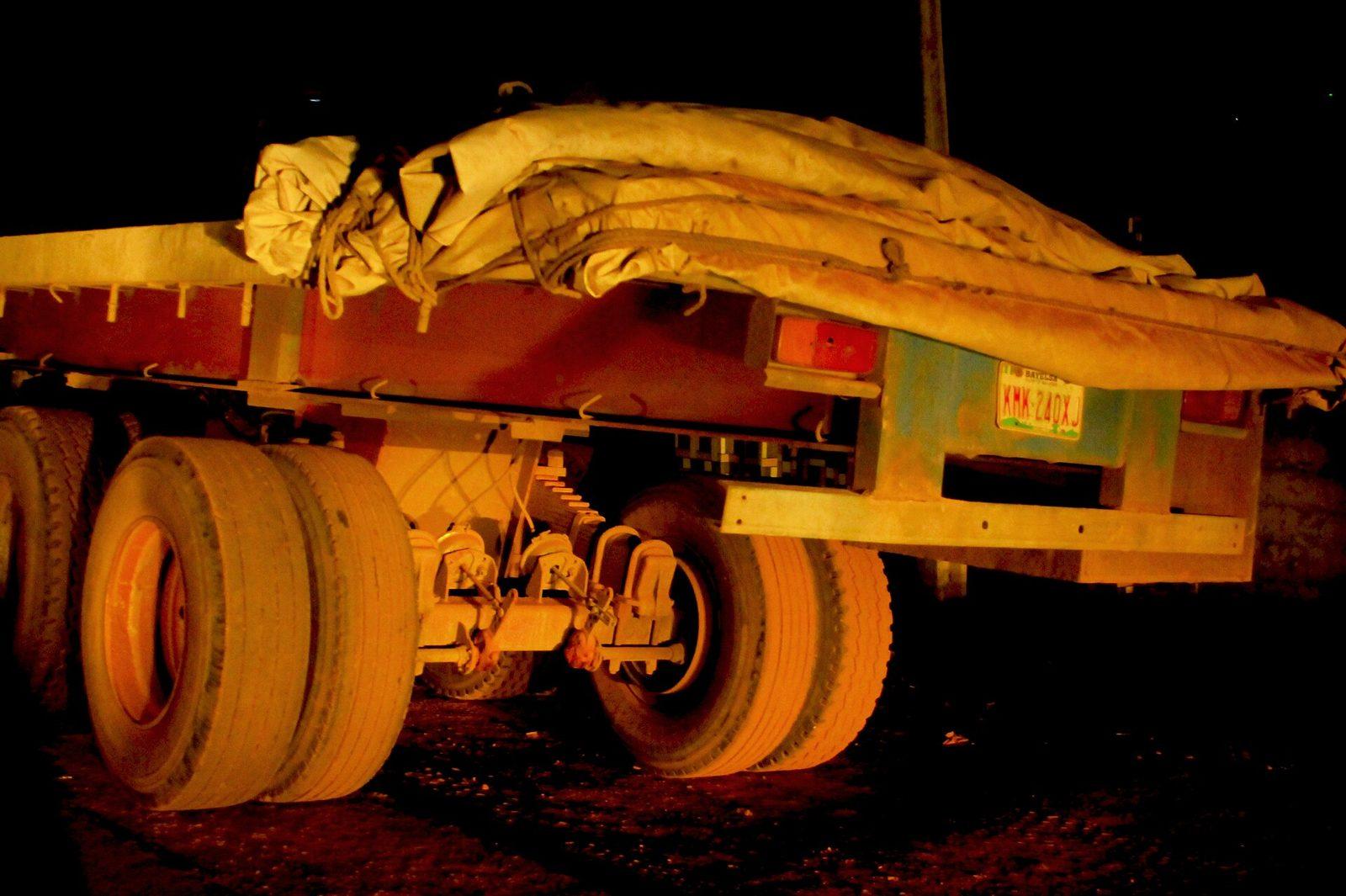
At 1:47 a.m. a phone lights up on a bedside table in Lekki. The notification is short: main power disconnected, Truck 14. The truck is supposed to be parked for the night at a truck stop outside Lokoja, loaded, with the driver asleep in the cab.
The fleet manager squints at the map. The dot has not moved. It could be a loose battery terminal. It could be the driver fiddling with a phone charger. It could be someone under the dashboard with a pair of side-cutters. She puts the phone face down and decides to look again in the morning.
At 1:58 the dot starts moving south.
That scene is a composite, but the arithmetic in it is real. Daily Trust, describing how one Nigerian fleet coordinator uses his trackers, put it with brutal clarity: "The tracker gets him maybe twenty minutes, and that is the entire value proposition." Twenty minutes in which a tamper alert is either the start of a recovery or the first line of an insurance claim. What happens in those minutes is not decided by the hardware. It is decided by whether someone in your company knows exactly what to do, and does it without waiting for daylight.
Thieves now plan for the tracker
Vehicle theft in Nigeria is no longer a matter of hot-wiring and hoping. The people who take trucks expect them to be tracked and plan accordingly.
In May 2024, Kaduna State Police arrested a suspect who, they said, moved stolen vehicles from Kano, Kaduna, Katsina and Abuja towards the Niger Republic border. A search of his hotel room, according to Pulse Nigeria, "resulted in the recovery of an anti-tracking jammer". The device, police said, was used to stop the vehicles being traced on the way north. Jammers are illegal here: Daily Trust reports that the Nigerian Communications Commission prohibits "the importation, sale, possession and use of radio-frequency signal jammers without authorisation". That has not stopped them circulating.
The other method is simpler. In 2025, FCT police recovered a trailer whose driver had allegedly made off with it after a delivery. BusinessDay reported that the suspect "had deliberately removed three tracking devices installed on the trailer" but "failed to detect a fourth hidden tracker". Officers from the Jabi Division followed it to Kaduna State.
Both stories carry the same lesson. Removing power, pulling an antenna or jamming the signal is usually the opening move of a theft, not an accident. The alert that tells you it has happened is the most valuable message your tracking system will ever send, and the one most often ignored.
Know your alarms before they ring
Not every alert means a hijacking. Most mean a mechanic, a flat battery or a careless driver. The skill is telling them apart in seconds, and that requires knowing what each alarm actually measures.
| Alert | What it usually means | Common innocent causes | First responder | First action |
|---|---|---|---|---|
| Main power cut | The tracker has lost the vehicle's power feed and is running on its backup battery | Battery change, workshop electrical work, a loose terminal | Duty manager | Check location, movement and ignition; call the driver |
| Device tamper or antenna disconnect | Someone has interfered with the unit or its wiring | Accident damage, poor installation, a mechanic working behind the dash | Duty manager | Treat as suspicious until the driver confirms with your agreed code |
| Signal lost or device offline | No position updates arriving | Network dead zone, parked in a basement, jamming | Duty manager | Note last known position, heading and time; watch for movement when it reappears |
| Ignition or movement outside permitted hours | The vehicle is being used when it should be parked | Driver moving the truck for a legitimate reason | Duty manager | Call the driver; ask why |
| Geofence exit | The vehicle has left a depot, site or route corridor | Diversion for fuel, road closure | Dispatcher | Confirm the reason with the driver |
| E-lock tamper or unscheduled opening | Cargo doors or a seal opened outside an authorised location | Customs inspection, authorised unloading | Dispatcher, then security lead | Check location against the delivery plan |
Two of these deserve special respect. A power-cut alert means the device is now living on a small internal reserve. A backup battery is a lifeboat, not a power station: it buys hours, not days, and the more often the device reports, the faster it drains. Ask your provider how long yours lasts after a cut, at the reporting interval it switches to. And a vehicle that goes silent unexpectedly, in an area where it normally reports perfectly, should be treated as an alert in its own right. Silence is information.
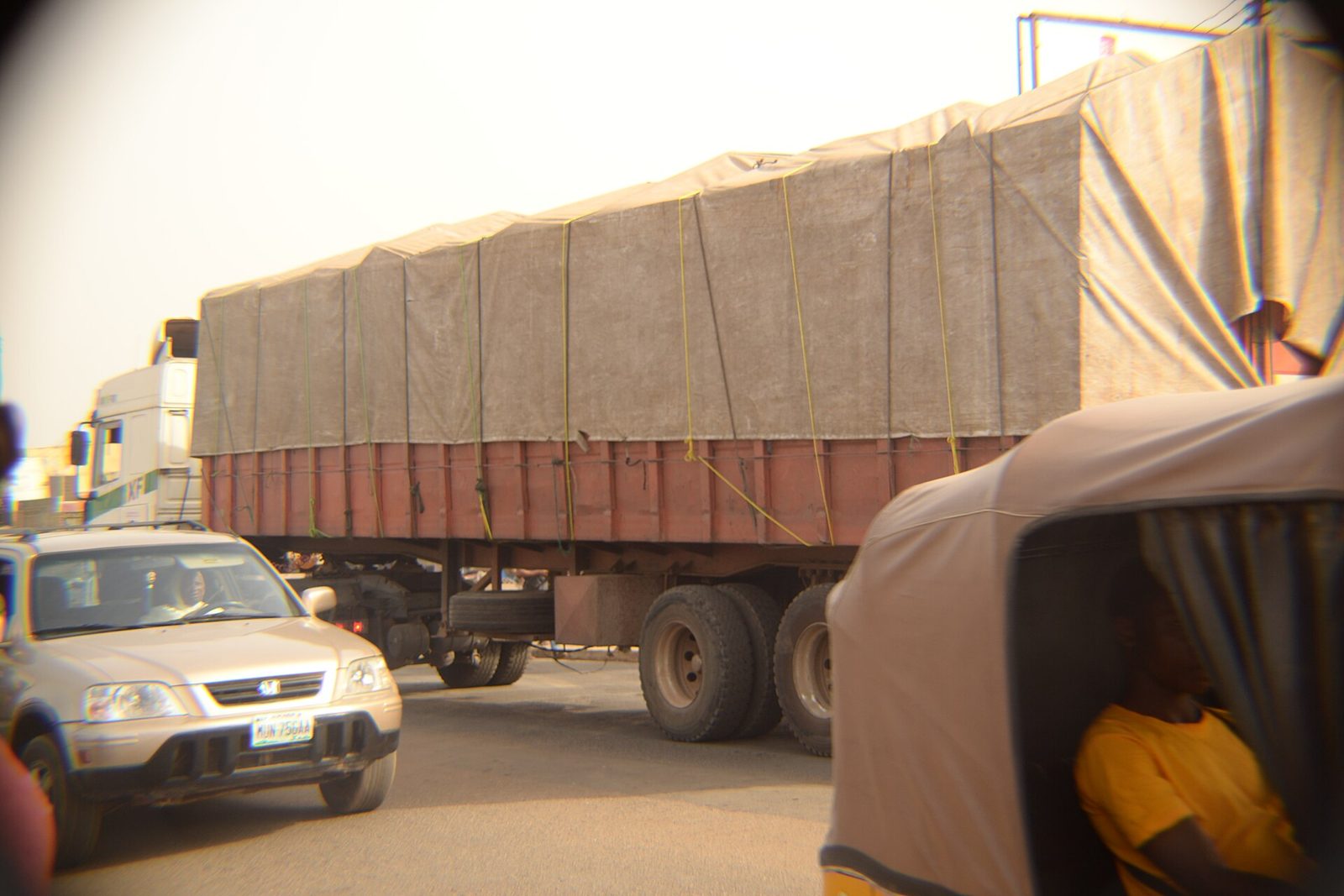
The first two minutes: confirm, do not assume
The aim of the first two minutes is to answer one question: is this an emergency? Do these four things, in this order.
- Acknowledge the alert so the second person on your escalation list knows it is being handled.
- Open the live map and read the vehicle, not just the dot. Is it moving? Is the ignition on? What speed? When did it last report normally? Take a screenshot; it is the start of your log.
- Call the driver on the number you hold on file, not a number someone sends you. Ask an open question ("Where are you parked?") rather than a leading one ("Is everything OK?").
- Listen for the duress code. Agree a harmless-sounding phrase with every driver in advance, something they would say only if they are not free to talk. A driver with a gun at his back will tell you everything is fine. The code lets him tell you the truth.
If the driver answers, explains plausibly, uses no duress phrase and the vehicle is stationary where it should be, log it, ask for a photo of the dashboard area if the alert was tamper-related, and book a technician check. You are done.
If the driver does not answer, uses the code, or the vehicle is moving when it should not be, you are now running an incident.
Minutes two to fifteen: escalate and make the call
This is where most companies lose the truck, not through bad decisions but through no decisions.
Call your named security lead. One person, with a deputy, who has authority to make the next three calls without asking permission from anyone.
Call the police. Nigeria adopted 112 as its unified, toll-free national emergency number, a decision the National Economic Council reaffirmed in April 2026; calls connect to police, fire, ambulance services and the FRSC, though nationwide rollout is still being coordinated. In practice, the call that moves fastest is often to the divisional police headquarters or state command control room nearest the vehicle's current position, so keep those numbers on file for every corridor you run. Give them, in this order: registration number, make, colour and any markings; cargo; current location and direction of travel; speed; the driver's name and phone number; and your own direct line.
Share the live position. Primera Fleet lets you send a live location link to someone you choose. A responding officer who can watch the truck move is worth ten phone updates.
Decide on immobilisation, carefully. Primera's remote engine cut-off is applied safely, when the vehicle is stopped or moving slowly, never at highway speed. That safeguard matters, but so does judgement. Stopping a truck with armed men still in it, in an isolated place, can put your driver in greater danger. Where police are already responding, agree the moment with them. Where the truck is clearly being driven away empty of your driver, and it has slowed or stopped, cutting the engine may be the single most effective thing you do all night.
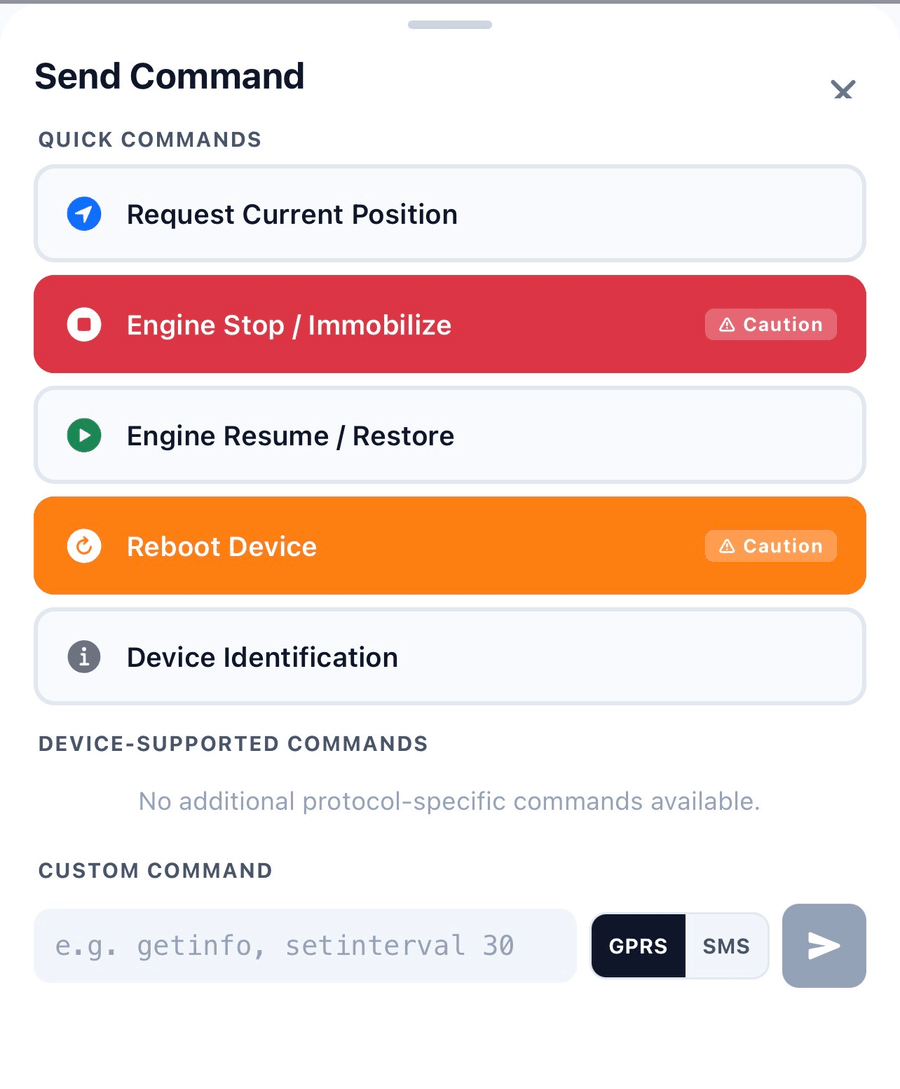
Warn the rest of the corridor. If one truck has been taken outside Lokoja tonight, any other vehicle of yours heading for the same stretch should hold at a safe place until you know more.
The tracker does not recover your truck. It tells you, while there is still time, that someone needs to.
Minutes fifteen to sixty: keep the trail warm
By now the situation has shape. Your job is to keep information flowing and keep a record good enough to stand up later.
- Keep one person on the map and one on the phone. The same person cannot do both well at 2 a.m.
- Log everything with a timestamp: every call, every position, every decision. Write it in a shared document, not your memory.
- If the signal drops, record the last known position, heading and speed, and list the roads the vehicle could plausibly have taken. Pass that to the police.
- Check the e-lock, if fitted. A cargo-door opening tells you whether the target is the truck or the load, and where the load may have been transferred.
- Notify the cargo owner and your insurer within the terms of your contract. Late notification is a common reason claims become difficult.
- Do not send your own staff to confront anyone. Your people can observe from a distance at most. Recovery is a police job; as Daily Trust's reporting on the tracking trade puts it plainly, "vehicle recovery remains the responsibility of the Nigeria Police Force and other authorised security agencies".
After the first hour: the paper trail that finds trucks months later
Many vehicles are not recovered on the night. Some are recovered weeks later because the paperwork was done properly.
Make a formal report at the police division with jurisdiction and obtain a copy or extract. Your insurer will want it.
File on the Nigeria Police Force's stolen-vehicle portal. The Central Motor Registry platform at reportcmr.npf.gov.ng was launched in December 2022 so that members of the public could report vehicles stolen since 1 January 2018 that remain unrecovered. The e-CMR system works by flagging those vehicles when someone later tries to register or certify them. In one case reported by PRNigeria, a buyer submitted a stolen car's details and "the database flagged it as stolen, leading to its retrieval". Police said they recovered 1,519 stolen vehicles in 2024 through the platform, and urged owners to "register their information on the e-CMR platform and report thefts promptly". Those are police figures, but the logic is sound: a truck that is flagged is much harder to sell.
Preserve the data. Export the route history, the alert log and any dashcam footage before retention periods roll over. A clean timeline is evidence.
Run a short review within a week. Did the alert reach the right person? How long did it take to get from alert to police call? Was the immobiliser used, and should it have been? Was the tracker installed where it could be easily found? The FCT trailer case is a reminder that concealment and redundancy are installation decisions, made long before the night they matter.
Who does what, written down before you need it
An SOP that lives in one manager's head fails the night that manager's phone is on silent. Put this on one page.
| Role | Before an incident | During | After |
|---|---|---|---|
| Duty manager (rotating, 24/7) | Alerts routed to their phone; knows the codes | Confirms the alert, calls the driver, escalates within two minutes | Completes the incident log |
| Security lead and deputy | Holds police contacts for each corridor | Calls police, decides on immobilisation with them, shares live location | Files the formal report and the CMR portal report |
| Driver | Knows the duress phrase; trained not to resist | Complies with attackers; uses the code if able | Gives a statement; offered support |
| Workshop | Tells the duty manager before any electrical work | Confirms whether a power alert is theirs | Checks the tracker and wiring after any incident |
| Finance or admin | Holds vehicle documents, chassis and engine numbers, photos | Notifies the insurer and cargo owner | Manages the claim |
That workshop line is the cheapest improvement you will ever make. Most false power-cut alerts come from your own mechanics. A rule that nobody touches a vehicle's electrics without first telling the duty manager turns every one of those into a free drill instead of a 2 a.m. scare.
What to do on Monday morning
- Route every tamper, power-cut and after-hours movement alert to two named people, with a rota for nights and weekends. One phone is not a system.
- Agree a duress phrase with each driver this week, and practise it once.
- Build a corridor contact sheet: 112 plus the police division or command control room numbers for every state your trucks cross. Check them quarterly.
- Assemble a one-page dossier per vehicle: registration, chassis and engine numbers, colour, markings, photos from four sides. Register each vehicle on the e-CMR platform.
- Write the workshop rule and pin it in the bay.
- Run a drill. Ask your technician to disconnect a parked truck's power at an unannounced time and measure how long it takes for someone to call the driver.
- Talk to your provider about where the tracker sits, how long its backup battery lasts after a cut, and whether remote cut-off is enabled on the vehicles that need it. If that provider is us, book a review of your setup.
The alert is the easy part. The minutes after it are the part you have to build yourself.
About Primera Automations
Primera Automations installs and supports vehicle tracking and telematics for Nigerian fleets in more than 26 states. Primera Fleet sends instant power-cut, tamper, geofence and e-lock alerts, keeps reporting on the tracker's backup battery when main power is cut, and offers remote engine cut-off applied safely when the vehicle is stopped or slow. Talk to us about building your alert routing and response plan.
Sources
- Daily Trust, Nigerian fleets are buying trackers not to recover trucks but to know when to panic
- Pulse Nigeria, Kaduna police arrest international car theft suspect, recover anti-tracker jammer
- Daily Trust, Illegal signal jammers are driving new security measures in Nigeria's vehicle tracking industry
- BusinessDay, FCT police nab suspected criminals, recover four stolen vehicles
- IT Edge News, Nigeria adopts 112 as unified national emergency number to strengthen rapid response system
- The ICIR, Police stolen vehicle reporting portal fails to work 24 hours after launch
- PRNigeria, Police recover over 1,500 stolen vehicles using e-CMR system
- Newstrends, Police recovered 1,519 stolen vehicles in 2024: spokesman