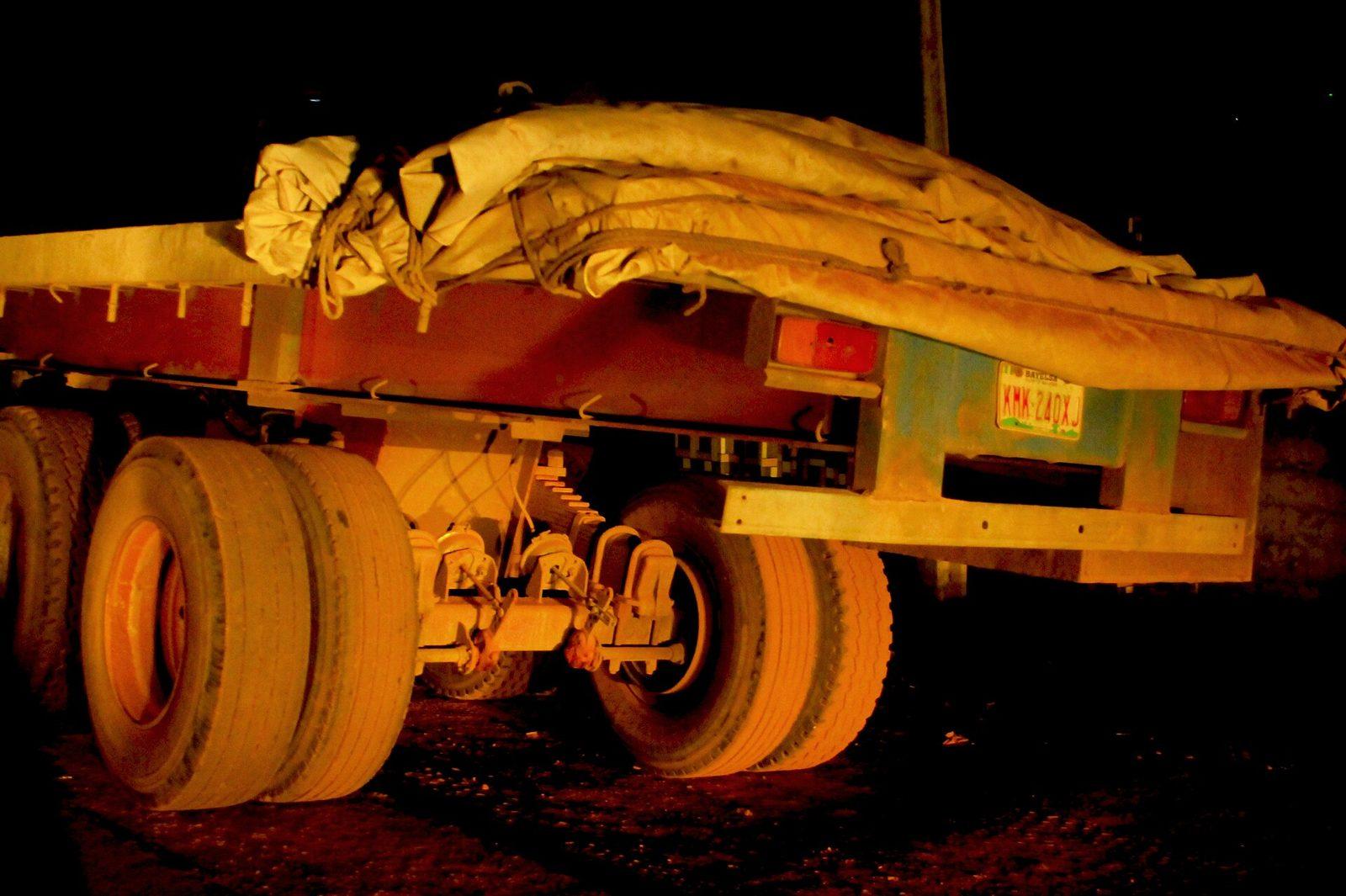
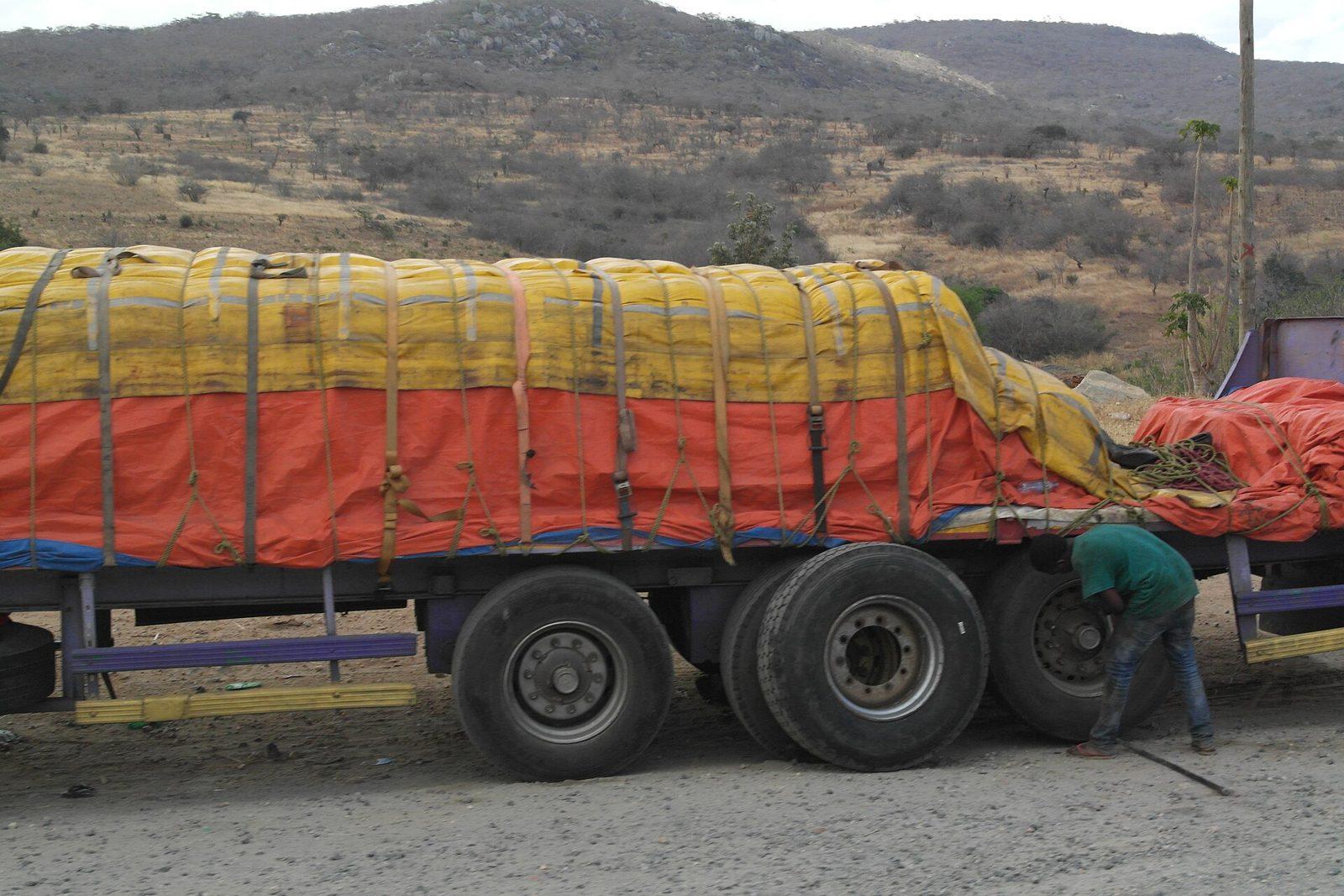
It is budget season, and somewhere in a Lagos boardroom a capital-expenditure request is going round the table. Twelve trucks, the memo says, are "due for replacement". They are six and seven years old. The supplier has quoted in dollars. A tractor head priced at about $56,000 would have cost roughly ₦26 million when the naira was pegged at ₦460 to the dollar in mid-2023. At the official closing rate of ₦1,332.49 in October, it costs about ₦75 million. Twelve of them comes close to a billion naira.
The finance director asks the question that ought to be asked of every fleet and rarely is. Are those trucks genuinely worn out, or have they simply been driven, serviced and guarded as though they were disposable?
That question is worth real money. A truck's working life is not stamped on it at the factory. It is set by two curves: how fast repair bills and breakdown days climb as the truck ages, and how fast its resale value falls. Telematics cannot stop a truck from ageing. What it can do, when someone acts on the data, is flatten the first curve and slow the second. This article puts numbers on that for one Nigerian truck, with every input either sourced or clearly labelled as our assumption, so your finance team can replace our figures with its own and see whether the case survives.
The number on the invoice is the small one
Total cost of ownership is not a new idea, and the people who measure it most carefully all reach the same conclusion: the purchase is one line among many. The American Transportation Research Institute's annual survey put the average cost of running a US truck at a record $2.336 per mile in 2025. Of that, truck and trailer payments came to about $0.40, against $1.03 for drivers, $0.48 for fuel, $0.22 for repairs and maintenance, $0.11 for insurance and $0.05 for tyres.
Researchers who build formal TCO models add the items that do not appear on any invoice. The International Council on Clean Transportation's truck studies cover vehicle costs, financing and residual value, taxes, energy, maintenance and road tolls. The T3CO tool developed at the US Department of Energy's National Renewable Energy Laboratory goes further and counts downtime and payload opportunity cost alongside purchase price, fuel, maintenance and resale value. Downtime belongs in the sum because a truck that is not moving is still costing you.
In Nigeria the mix tilts much harder towards fuel and parts, both priced off the exchange rate. In the worked example below, one truck burns about ₦71 million of diesel a year, close to its own purchase price, and over a seven-year life the purchase is only about a tenth of the money that passes through it. Local research points the same way. A 2025 study of 27 operational cost drivers in Nigerian road haulage ranked driver salaries, vehicle maintenance, lubricants and regulatory fees as the most critical expenditures, found low uptake of GPS tracking and fuel monitoring, and observed that "the deteriorating road infrastructure compounds these challenges".
A truck dies of arithmetic, not old age
Every truck carries two numbers that move in opposite directions. The first is what it costs to keep running. ATRI found repair and maintenance costs rose 8.6% in 2025 and 45% since 2019, while the average distance between breakdowns fell from 38,249 to 36,891 miles and the average truck's age crept up from 3.4 to 3.6 years. The summary is blunt: "the older a truck is, the higher the maintenance costs."
The second number is what the truck would fetch if you sold it. The ICCT models depreciation as a fixed 7.5% a year plus a component tied to distance driven, which leaves a European tractor unit worth between 20% and 38% of its price after five years (the European Commission's own assessment used 56%). The detail that matters for this article is the method: the ICCT states that "the salvage value was estimated based on the remaining service life." A truck that buyers believe has more life left in it is worth more.
Put those two numbers together and you get a simple retirement rule, the one we use in the worked example below. A truck should leave the fleet when a year's repairs and breakdown losses would exceed what the truck is worth at the start of that year. Beyond that point you are paying more to keep the asset than the asset is worth.
A truck rarely dies of old age. It dies the year it costs more to keep than it is worth.
Seen this way, "extending vehicle life" is not a slogan. It means slowing the rise of the cost curve, slowing the fall of the value curve, or both, so that the two lines cross later.
Three levers that bend the wear curve
Driver scoring: the right foot
Most of what happens to a truck happens through the driver's right foot. The US Department of Energy estimates that aggressive driving cuts the fuel economy of light vehicles by roughly 15% to 30% at highway speeds and 10% to 40% in stop-and-go traffic. For heavy trucks, Mike Roeth of the North American Council for Freight Efficiency wrote that "industry experts say that a driver can have as much as a 30% impact on fuel efficiency."
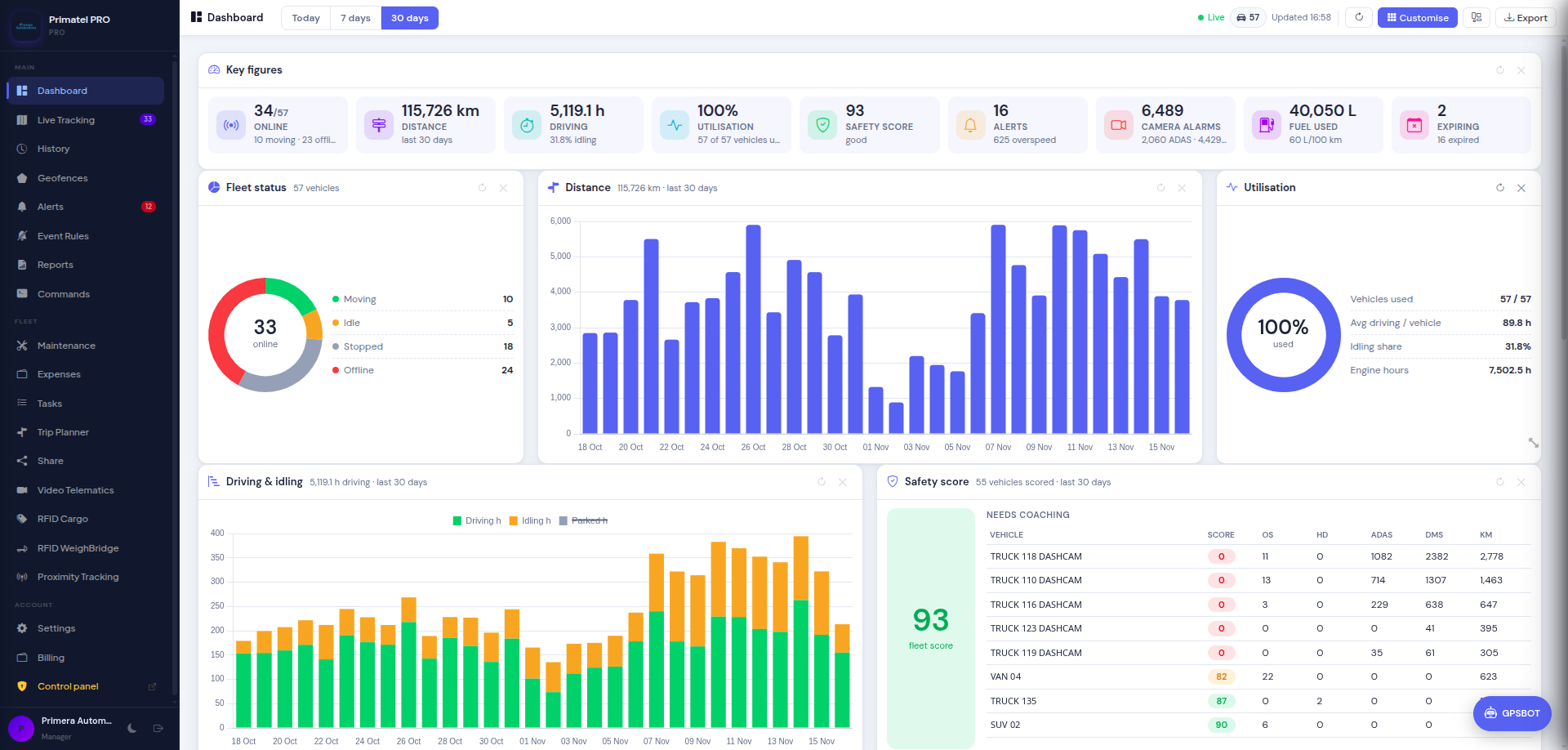
The same habits that waste diesel also wear out the truck. Harsh braking burns through linings and drums, harsh acceleration loads the driveline, and speed eats tyres. At the Technology and Maintenance Council's annual meeting, one tyre specialist estimated that a cut in cruising speed would add about 16% to tyre life. A driver scorecard that counts overspeeding, harsh braking, harsh acceleration and harsh cornering turns those habits into a ranked list. The list is worth nothing until someone sits down with the bottom ten drivers.
Preventive maintenance: the oil change nobody logged
Preventive maintenance is the least glamorous lever and probably the most powerful, because Nigerian roads punish neglect quickly. Tyres show it most clearly. The Technology and Maintenance Council's guidance is that "a constant 20% underinflation will reduce tire life by 30%, and 40% underinflation will reduce tire life by 50%." Hauliers told BusinessDay in March 2024 that a truck tyre that sold for about ₦100,000 in 2023 had risen to ₦250,000, and that re-tyring a container truck cost at least ₦4 million. Today a premium 315/80R22.5 is listed at ₦445,000 by a Nigerian retailer.
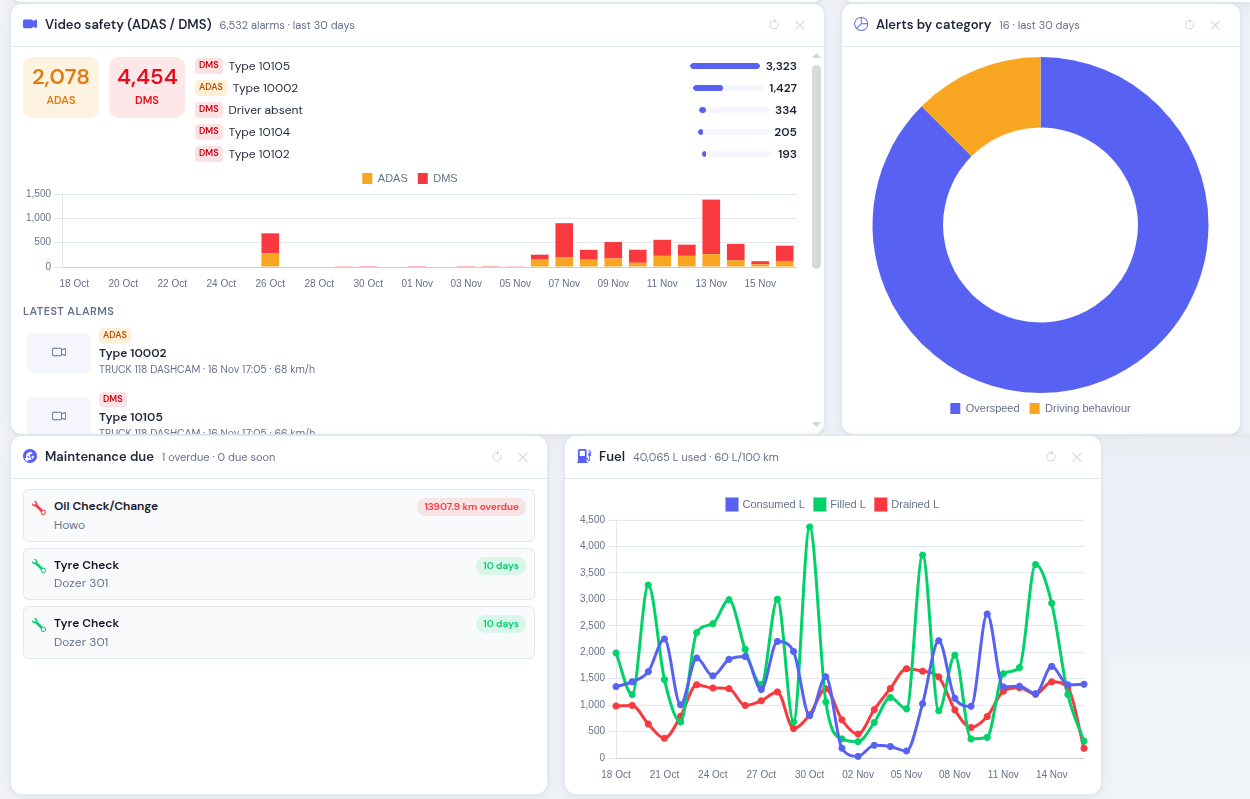
Telematics does not service the truck. It removes the excuse for not servicing it. Reminders driven by real mileage and engine data replace the calendar and the driver's memory, and a pressure sensor reports a slow leak on the Lokoja road before the tyre becomes a blow-out and a tow. The test is whether the overdue list shrinks each week.
Theft protection: the thief who ends the story early
Theft shortens a truck's economic life in two ways. The slow way is fuel. On one truck monitored by Primera, the in-tank sensor logged 67 drain events and 739.54 litres siphoned in a single week along the A233 and A3 through Kogi and Benue. At ₦1,950 a litre that is about ₦1.44 million in seven days, from one truck. Across a 120-vehicle logistics fleet in Lagos, real-time fuel monitoring and route adherence cut fuel losses by 35% and raised fleet efficiency by 50%.
The fast way is hijacking. When a stolen truck is never recovered, its useful life ends on the day it disappears, and the TCO calculation becomes whatever the insurer pays, less the excess, the downtime and the lost cargo. Thieves know where the devices are. In one case reported by BusinessDay, police said a suspect had removed three tracking devices from a trailer but missed a fourth hidden one, which let officers trace the vehicle. Covert installation, geofence alerts, e-locks and remote immobilisation applied safely all work on this risk. We have not put a theft probability in the table below, because no reliable Nigerian figure exists for one, but no board should leave it out of the conversation.
One truck, two futures
Here is the worked example. It follows one new 6x4 tractor head through its life twice: once run the way many Nigerian fleets run trucks, and once with telematics whose data is acted on every week.
The ground rules. The truck costs ₦75 million on the road. That is our assumption, anchored to asking prices on Jiji, the Nigerian classifieds site, where brand-new Chinese-built units are listed between ₦49 million and ₦98 million and a 2021 foreign-used tractor head at ₦70 million. It covers 80,000 km a year at 2.2 km per litre (both assumptions). Diesel is ₦1,950 a litre, our assumption built on Lagos depot prices of ₦1,825 to ₦1,840 at the end of October plus delivery and retail margin. Driver pay, the trailer, tolls, levies and financing are left out because they do not change between the two columns. Everything is in constant 2026 naira with no discounting, so you can follow the arithmetic.
Year one
| Cost line, year one | Run without managed telematics | Telematics data acted on | Basis |
|---|---|---|---|
| Fuel (36,364 litres a year) | ₦70.9m | ₦65.6m | Assumption: 10% of fuel lost to siphoning, idling and unauthorised trips, cut by 35% as in Primera's Lagos fleet; plus 4% from smoother driving |
| Tyres (10 × ₦445,000, one set a year) | ₦4.45m | ₦3.87m | Price from retail listing. Assumption: pressure and speed discipline add 15% to tyre life |
| Comprehensive insurance | ₦3.75m | ₦3.75m | NAICOM floor of not less than 5% of the sum insured |
| Repairs and maintenance | ₦6.0m | ₦6.3m | Assumption: 8% of purchase price; the managed truck spends 5% more on scheduled servicing |
| Downtime (lost margin at ₦300,000 a day) | ₦5.4m (18 days) | ₦3.6m (12 days) | Assumption |
| Telematics (hardware amortised, sensors, subscription) | nil | ₦0.6m | Assumption for illustration, not a Primera quote |
| Running cost | ₦90.5m | ₦83.7m | |
| Depreciation (lost resale value) | ₦11.25m (15%) | ₦9.75m (13%) | Assumption, consistent with the ICCT's range |
| Year-one cost of ownership | ₦101.8m | ₦93.5m |
The managed truck is about ₦8.3 million cheaper in its first year, and most of that is diesel. On these numbers the telematics bill is covered many times over before you count a single extra year of life. For a sense of scale on the downtime line, BusinessDay reported in 2023 that moving one 40-foot container from Apapa to Kano was already billing ₦1.8 million to ₦2.3 million. A truck parked in a yard is not earning that.
The whole life
Now let the truck age. In the unmanaged case, repairs and breakdown losses grow 12% a year (assumption). In the managed case they grow 8% a year (assumption), because problems are caught early, tyres run at the right pressure and drivers are coached. Apply the retirement rule from earlier.
| Over the truck's life | Without managed telematics | Telematics data acted on |
|---|---|---|
| Useful life under the retirement rule | 7 years | 10 years |
| Kilometres delivered | 560,000 | 800,000 |
| Repairs plus downtime in the final year | ₦22.5m (year 7) | ₦19.8m (year 10) |
| Resale value if sold at year 7 | ₦24.0m (32% of price) | ₦28.3m (38% of price) |
| Resale value at retirement | ₦24.0m at year 7 | ₦18.6m at year 10 |
| Lifetime cost of ownership, net of resale | ₦710m | ₦922m |
| Cost per kilometre | ₦1,269 | ₦1,153 |
The lifetime bill is bigger for the managed truck because it does 43% more work. The number a board should look at is the last row: about 9% less per kilometre, or roughly ₦9.3 million per truck per year at 80,000 km. Take out the fuel and tyre savings and the managed truck still comes in at about ₦1,226 per kilometre. Roughly ₦43 of the ₦116 gap comes from longer life and fewer breakdowns, and ₦73 from fuel and tyres.
Two sanity checks. First, the ICCT puts the lifetime distance of a European tractor at 1.02 to 1.49 million km, so 800,000 km is not a heroic claim even allowing for Nigerian roads. Second, the managed truck gives you a choice. Sell it at year 7 and it fetches about ₦4.3 million more than its neglected twin. Keep it and it earns for three more years.
What you have to believe
Our client asked us to test a popular claim: that telematics adds two to three years to a commercial vehicle's usable life. We looked for independent evidence and did not find any. Plenty of vendor material says telematics extends vehicle life. We found no peer-reviewed or regulator-backed study that measures the extension in years. So we will not state it as fact. What we can do is show what you would have to believe for it to be true.
| If telematics, acted on… | Useful life | Extra years | Cost per km |
|---|---|---|---|
| Baseline: no managed telematics | 7 years | none | ₦1,269 |
| Only cuts breakdown days; wear grows just as fast (12%); no resale benefit | 8 years | +1 | ₦1,180 |
| As above, plus resale value holds better (13% depreciation) | 9 years | +2 | ₦1,182 |
| Slows the growth of wear costs by a sixth (to 10%) | 9 years | +2 | ₦1,166 |
| Slows it by a third (to 8%): our central case | 10 years | +3 | ₦1,153 |
| Halves it (to 6%) | 11 years | +4 | ₦1,137 |
Read the table from the bottom up, not the top down. Two to three extra years is a reasonable outcome for a fleet that actually works its maintenance list, coaches its drivers and protects its fuel. It is not something the hardware delivers on its own. And notice the right-hand column: cost per kilometre improves in every row, even the most cautious one, because the managed truck is cheaper to run in every single year. That is also why adding a discount rate would change the numbers but not the ranking.
The naira multiplier
Almost everything in a Nigerian truck's cost of ownership is priced, directly or indirectly, off the exchange rate. The truck is imported. So are tyres, filters and most parts. Diesel shows how violent the swings can be: the National Bureau of Statistics put the average retail price at ₦3,277.47 a litre in May 2026, up 86.4% in a year. By late October, Lagos depots were selling at ₦1,825, a wholesale price before delivery and retail margin. At the May price, the fuel line in our year-one table would be about ₦119 million rather than ₦71 million. Every ₦100 change in the litre price moves one truck's annual fuel bill by about ₦3.6 million.
This is where longer life earns its keep. A truck that lasts ten years instead of seven postpones a dollar-denominated purchase by three years. The truck in our opening scene cost nearly three times as much in naira in October 2026 as at the old peg, for the same dollar price. You cannot hedge the naira cheaply, but you can choose how often you are exposed to it. Every year of useful life you add is a year your replacement budget is not at the mercy of the exchange rate.
What to do on Monday morning
- Pull 12 months of cost history for each truck: fuel, tyres, repairs and days off the road. If you cannot produce it, that is your first finding.
- Rebuild our year-one table with your numbers. Replace every line marked "assumption" with your own figure, and keep the ones you cannot replace clearly labelled.
- Write down a retirement rule and apply it to every truck on the replacement list. Ours is simple: retire a truck when a year's repairs and downtime would exceed its resale value.
- Switch maintenance to mileage and engine hours. Review the overdue list every Monday and track whether it is shrinking.
- Score every driver and coach the bottom ten each month. Tie part of the bonus to the scorecard, not just to trips completed.
- Fit fuel-level sensors to your thirstiest trucks first and reconcile every fill and drain against receipts. Start with the trucks on the long northern and eastern corridors.
- Report cost per kilometre to the board each quarter, not cost per truck. It is the only number that captures fuel, wear, downtime and life together.
If you would like help putting your own fleet's figures through this model, talk to us. We will show you what the data on your trucks can and cannot tell you.
The cheapest truck you will ever buy is the one you did not need to replace yet.
About Primera Automations
Primera Automations helps Nigerian fleets cut the cost of every kilometre with fleet telematics: live tracking, driver scorecards, mileage-based maintenance reminders, remote immobilisation and in-tank fuel monitoring that records every fill and drain with time, place and litres. From our offices in Lagos, Abuja, Warri, Asaba and Aba we install across more than 26 states.
Sources
- BusinessDay, Naira closes at N664 as Nigeria attempts FX unification
- Techeconomy, Dollar to naira exchange rate today, October 12, 2026
- American Transportation Research Institute, New ATRI report details accelerating costs and low profitability despite cuts
- FleetOwner, ATRI report breaks down Class 8 truck operating costs by region and expense category
- Fleet Maintenance, M&R cost per mile rose nearly 9% in 2025: ATRI study
- International Council on Clean Transportation, Total cost of ownership for tractor-trailers in Europe (white paper, PDF)
- National Renewable Energy Laboratory, T3CO: Transportation Technology Total Cost of Ownership overview
- European Journal of Logistics, Purchasing and Supply Chain Management, Unpacking critical operational cost drivers in road haulage transport operations in Nigeria
- US Department of Energy, fueleconomy.gov, Driving more efficiently
- FleetOwner, Drivers' impact on fuel efficiency
- Heavy Duty Trucking, 5 ways to extend tire life and improve fuel economy
- FleetOwner, Tires in real time: managing psi and tread depth
- BusinessDay, Truckers' woes worsen as diesel price doubles
- Kara, Michelin tyre 315/80R22.5 (retail listing)
- BusinessDay, FCT Police nab suspect, recover four stolen vehicles
- Jiji.ng, HOWO trucks for sale in Nigeria (asking prices)
- Legit.ng, Price war: depot owners cut diesel prices below Dangote's new rate
- BusinessDay, NAICOM increases premium rates for motor insurance
- BusinessDay, Interstate container haulage costs surge on lingering energy crisis
- Legit.ng, NBS: diesel price rises 86.40% to N3,277/litre in May 2026