Previously: Why installing 500 trackers doesn't mean you have a fleet management system, part one of this series.
It usually starts with a small problem.
A vehicle stops reporting.
The fleet manager refreshes the dashboard.
Nothing.
He calls the installer.
"We're checking it."
A few hours pass. Then a day.
Someone eventually checks the vehicle and discovers a disconnected wire, a failed device, a network problem or something nobody can immediately explain.
The tracker is fixed. The vehicle appears on the map again. Everyone moves on.
Until it happens again.
And again.
This is where a difficult truth about Nigeria's technology market becomes obvious:
Selling technology is not the same thing as supporting technology.
A company can install hundreds of GPS trackers and still leave its customer effectively alone after the installation invoice has been paid.
For fleet operators, that distinction can become expensive.
The installation is the beginning, not the finish line
Installing a GPS tracker is relatively straightforward.
The device is mounted. The wiring is connected. The SIM is configured. The tracker communicates with the server. The vehicle appears on the platform. A demonstration is performed. The customer signs off.
Project completed.
Except the vehicle hasn't stopped operating.
It will travel tomorrow. And the day after that.
It will experience vibration, heat, electrical fluctuations, poor network coverage and thousands of kilometres of road conditions.
Drivers will change. Vehicles will go to different locations. SIM cards will expire. Devices will occasionally fail. Servers will require maintenance. Software will change. The customer's fleet will grow. Someone new will eventually need to learn the system.
The technology has a life after installation.
The support should too.
The question nobody asks during the sales meeting
When companies compare fleet-management quotations, they usually ask about price.
How much is the tracker? How much is installation? How much is the annual subscription? How many vehicles can the platform handle? Does it have an app? Does it show live location?
Those questions are reasonable.
But there is another question that can be far more important:
"What happens when something stops working?"
That question should be asked before signing the contract. Not after the first device fails.
Because there is a major difference between buying equipment from someone and having a technology partner responsible for the system.
A tracker failure is not just a hardware problem
Imagine a logistics company with 200 trucks.
One tracker stops communicating.
On paper, that's one failed device.
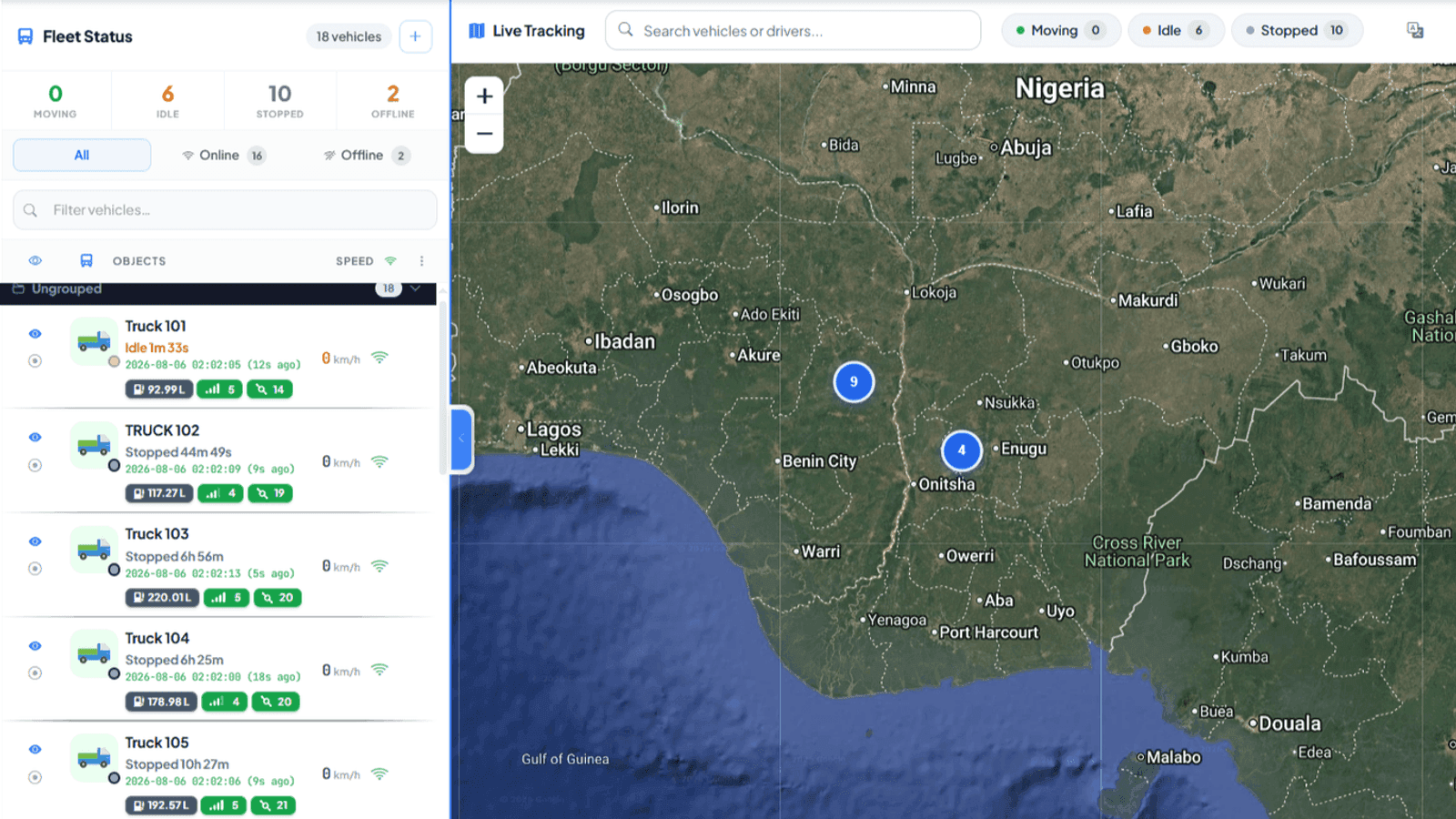
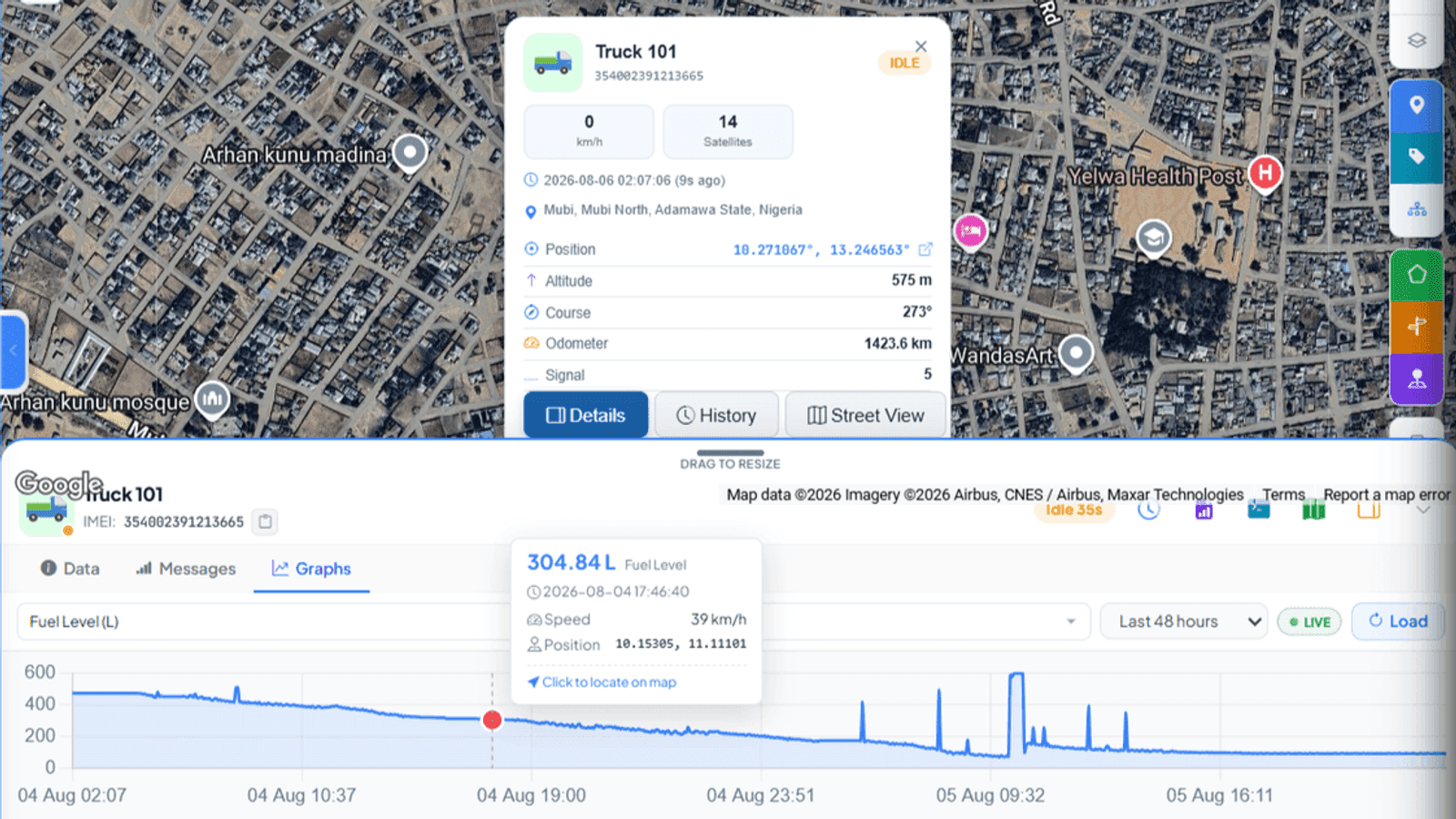
In reality, several things may now happen. The fleet manager loses visibility of the truck. The operations team cannot see its current position. Automated alerts may stop. Trip history may become incomplete. The company may need to contact the driver. A technician may need to travel to the vehicle. The vehicle may be hundreds of kilometres away.
If the problem takes two days to resolve, the company has spent two days operating with reduced visibility.
The tracker might cost ₦50,000 or ₦100,000.
The operational consequence can be much larger.
This is why support cannot be treated as an optional courtesy.
"Call us if you have a problem" is not a support system
There is a difference between having a phone number and having support.
Real support should answer practical questions:
- Who receives the complaint?
- How quickly is it acknowledged?
- How is the problem diagnosed?
- Can the provider determine whether the problem is hardware, wiring, SIM, network or server-related?
- Does the provider have technicians?
- Can someone access the system remotely?
- What happens when the vehicle is outside the city?
- How are replacement devices handled?
- How is the customer informed about the progress?
These things should not be improvised after something breaks.
They should form part of the service.
The most dangerous support problem is silence
Hardware failure is frustrating.
Silence is worse.
A customer reports that a vehicle has gone offline. Nobody responds. The customer calls again. No clear answer. Another person says the technical team is looking into it. Another says it may be the network.
The customer waits.
Eventually, the customer stops expecting anything.
That is how technology projects die.
Not necessarily because the technology was bad. Because the relationship around the technology failed.
And once a customer stops trusting the supplier, even a perfectly functioning system becomes difficult to defend.
Fleet technology needs someone behind it
A fleet-management system is not like buying a television. You don't install it once and forget about it.
It is an operational tool.
That means there should be somebody responsible for keeping it useful.
A serious provider should be able to help with device troubleshooting, installation faults, network-related issues, platform problems, user access, reports, alerts, device replacement, configuration, fleet expansion, maintenance information, customer training, software updates, and data and connectivity issues.
The exact support structure will differ between providers and fleet sizes.
But the principle remains the same:
Someone has to own the problem.
The hardware can be excellent and the service can still fail
This is worth emphasising.
A company can buy excellent hardware and still have a terrible fleet-management experience.
Take a professional telematics device from a manufacturer such as Teltonika. A device such as the FMC920 has internal storage, backup power, cellular connectivity, GNSS, offline tracking and several vehicle-monitoring capabilities. The FMC650 goes considerably further, with interfaces including CAN/J1939, J1708, RS232 and RS485 for more advanced heavy-duty applications.
But none of those features matter if the customer has no one to call when the device stops communicating.
Good hardware does not eliminate the need for good support.
It makes good support more valuable.
The opposite is also true
A friendly support team cannot compensate forever for terrible hardware.
If devices constantly fail, the provider spends its time troubleshooting instead of managing. Technicians repeatedly visit the same vehicles. Customers become frustrated. Replacement costs increase. Everyone starts blaming everyone else.
This is why fleet management has to be approached as a complete system:
Hardware + software + connectivity + installation + support.
Remove one of those pieces and the whole experience can suffer.
We wrote about the hardware half of this equation in The GPS tracker trap.
Why "one-size-fits-all" support doesn't work
A company with five vehicles and a company with 500 vehicles should not necessarily receive the same support structure.
A small business may need straightforward installation and occasional assistance.
A large haulage company may need multiple user accounts, different access levels, fleet reports, fuel monitoring, maintenance monitoring, driver performance analysis, device-health monitoring, escalation procedures, dedicated technical contacts and fleet-wide reporting.
The larger the operation, the more expensive poor support becomes.
A provider that understands this should design the service around the fleet.
Support should start before installation
This is another place where the industry can improve.
Good support begins before the device is installed.
If the wrong tracker is selected, the support team will spend the next two years dealing with problems that should never have existed.
If the installation location is poorly chosen, communication can suffer.
If the vehicle's electrical system isn't properly understood, devices may behave unpredictably.
If the customer's actual objectives aren't understood, the platform may be configured with irrelevant alerts.
So the first support question should actually be:
"What are we trying to achieve?"
Then the hardware and platform can be selected accordingly.
The customer should not need to become a telematics engineer
A fleet manager should not have to understand every technical detail inside a GPS tracker.
They should understand what the system can tell them and how to use it.
The provider should handle the complexity.
If the system generates a fuel alert, the customer should know what it means. If a vehicle goes offline, they should know what action to take. If a device reports unusual behaviour, someone should be able to help diagnose it. If the customer doesn't understand a report, they should be able to ask.
Technology is supposed to simplify management.
It shouldn't create another technical job for the customer.
Training is part of support
Imagine giving a fleet manager a powerful platform with 50 different reports and 100 different settings.
Then handing over a username and password.
"You're all set."
That's not training.
Training means showing the customer how to use the platform, how to interpret reports, how to configure alerts, how to investigate unusual events, how to manage users, how to review vehicle history, how to identify offline devices, and how to use the information for operational decisions.
And perhaps most importantly:
What not to ignore.
A system is only valuable if people know how to use it.
The customer's fleet will change
This is often forgotten during the initial sale.
A company might start with 20 vehicles. Two years later, it has 80. Five years later, it has 300.
Vehicles are sold. New vehicles arrive. Drivers change. Management changes. Operational requirements change. Technology changes.
A fleet-management provider should be able to grow with the customer.
Otherwise, the customer eventually finds itself running an old system designed around a fleet that no longer exists.
What happens when the server has a problem?
This is one of the questions fleet owners should ask before buying.
Where is the data going? How is it stored? What happens during an outage? How is data recovered? How long is historical information retained? Who manages the platform?
The customer may never need to know the technical architecture in detail.
But they should know that there is a plan.
Because a fleet-management platform is only useful when the information is available when management needs it.
Support is also about accountability
A good support structure creates accountability on both sides.
The customer knows whom to contact. The provider knows who is responsible. Issues can be logged. Patterns can be identified. Recurring failures can be investigated. Service quality can be measured.
Without that structure, every problem becomes an argument.
"The device is fine."
"It's the network."
"It's the driver's fault."
"The SIM isn't working."
"The server is down."
And nobody takes ownership.
That is not how technology support should work.
The customer shouldn't have to determine which component failed before asking the provider for help.
That's the provider's job.
What should a fleet owner demand from a technology provider?
Before buying a tracking system, ask these questions.
- Who supports the system after installation? Get a clear answer.
- Is technical support local? If the provider relies entirely on a manufacturer in another country, understand what that means for response times.
- What happens when a device fails? Replacement? Repair? Technician visit?
- What happens when a vehicle goes offline? Does somebody investigate it?
- Is customer training included? If so, what does it cover?
- How are software problems handled?
- How long is historical data retained?
- What happens when the fleet expands?
- Who handles configuration changes?
- What happens when the original installer is no longer available?
That last question is particularly important.
A business should never build an important operational system around one person who knows how everything works.
The difference between a vendor and a partner
A vendor's relationship with the customer often ends at the transaction.
A partner's responsibility continues because the customer's success affects the relationship.
That doesn't mean a provider has to solve every problem for free.
It means the responsibilities are clear. There is a support process. There are people who understand the technology. There is accountability. There is communication. There is a plan when things fail.
That is what businesses should expect when they put critical operations in the hands of technology.
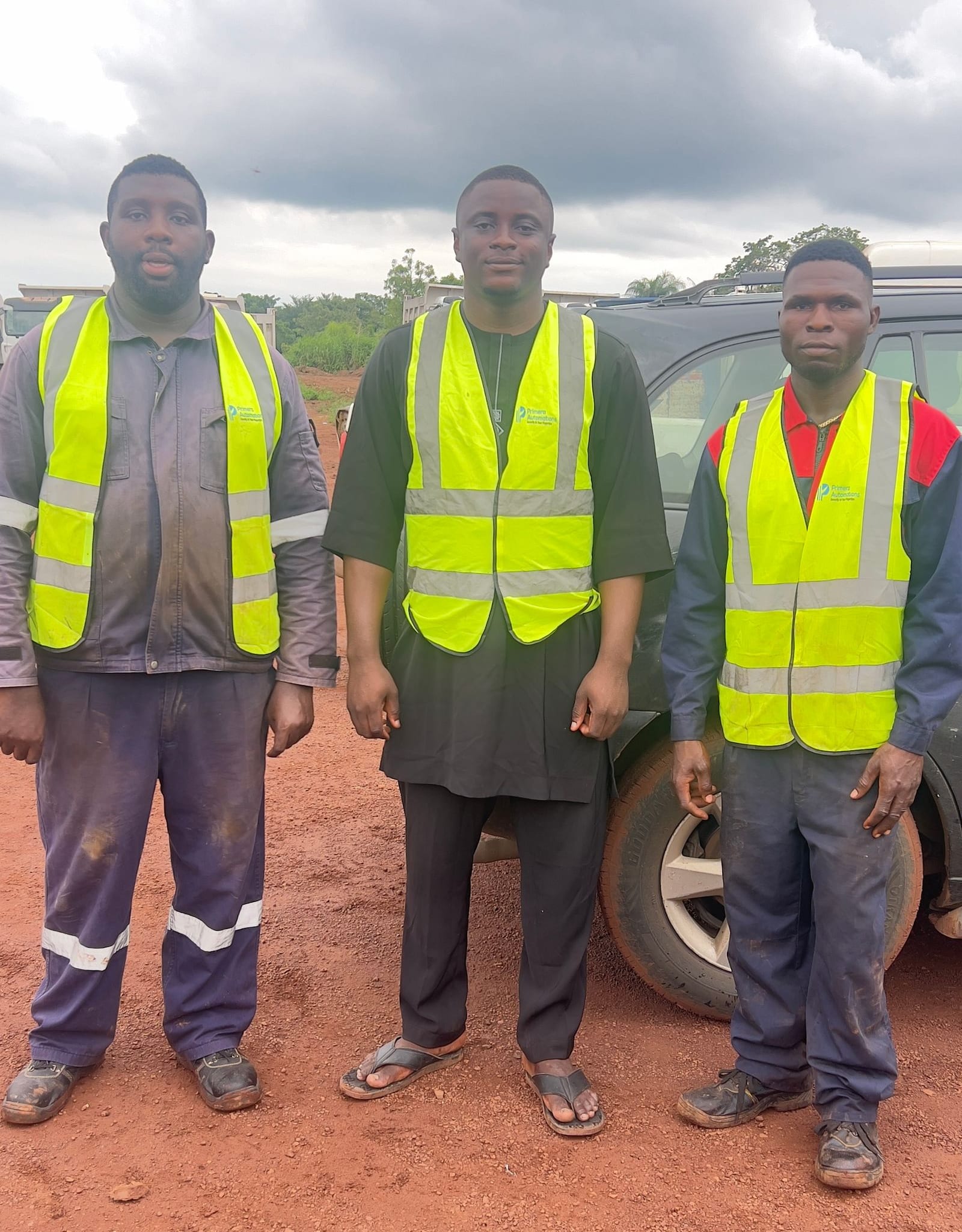
At Primera, we think beyond installation
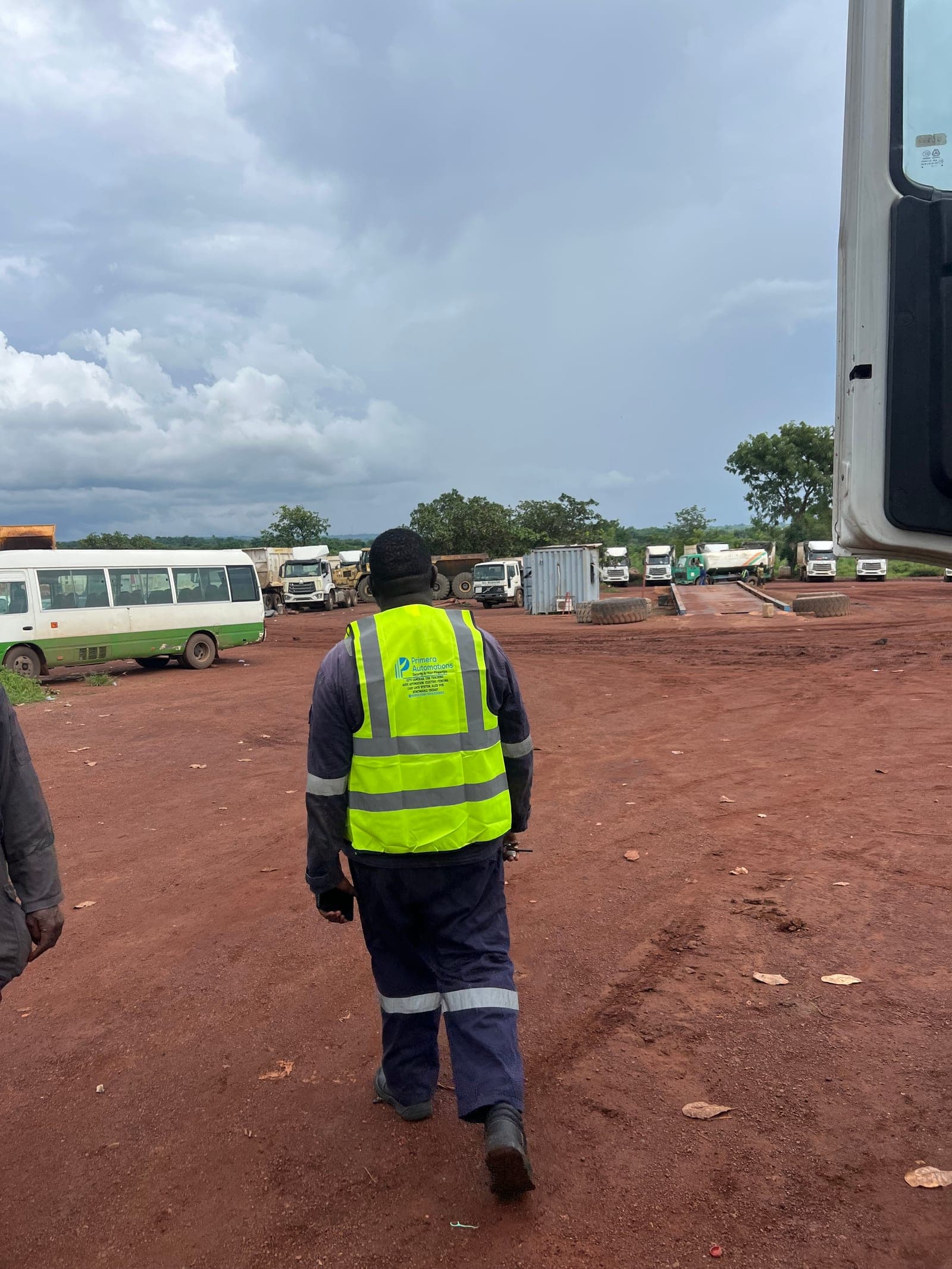
At Primera Automations, we don't believe our responsibility ends when the tracker starts transmitting.
That's the easy part.
The real work begins when the vehicle goes back onto the road.
We have to be able to answer the questions that come afterward.
Is the device communicating? Is the customer getting the information they need? Is the platform being used correctly? Does the customer understand the reports? Is there a recurring problem? Does the fleet need additional functionality? Has the customer's operation changed? Does the technology still match the requirement?
That is why we approach fleet management as an ongoing service rather than a one-time hardware installation.
The tracker is a tool. The support is what keeps the tool useful.
Technology should not become another problem for the customer
Businesses invest in technology because they want fewer problems. Better visibility. Better accountability. Lower losses. Better maintenance. More control.
If the technology itself becomes another source of uncertainty, something has gone wrong.
The answer isn't always to buy more expensive hardware.
Sometimes the answer is better implementation. Sometimes it is better training. Sometimes it is better support. Sometimes the system needs to be redesigned.
The important thing is that someone takes responsibility for finding the answer.
The real test starts when something goes wrong
Anyone can demonstrate a GPS tracker when everything is working.
The real test comes when the vehicle goes offline. The device fails. The network disappears. The customer doesn't understand a report. A new vehicle needs to be added. The fleet doubles. The server has an issue. A critical alert is triggered.
That's when a technology provider earns its money.
Not when the green dot appears on the map.
But when something goes wrong and the customer knows:
Someone is going to answer.
Don't just ask who can install your trackers
Ask who will still be there afterward.
Because a fleet-management system isn't successful because it was installed. It is successful because people continue to use it, trust it and get value from it.
Five hundred trackers can be installed in a matter of days.
Building five hundred reliable vehicles into a properly managed fleet takes something else: technology, process, expertise and ongoing support.
That is the difference between selling a tracker and managing a fleet.
And for a business whose vehicles are carrying people, goods, fuel and millions of naira in assets, that difference is too important to leave until something goes wrong.
Read next: Your GPS tracker is working. So why are you still losing money?, part three, on the difference between seeing your fleet and managing it.
Read this first: Why installing 500 trackers doesn't mean you have a fleet management system, part one of this series.
Want to know what happens after we install? Ask us directly. That is precisely the question this article says you should be asking.
Sources & further reading
- Federal Road Safety Corps, Road Transport Safety Standardization Scheme (RTSSS)
- Nigerian Communications Commission, Type Approval
- Teltonika, FMC920 technical documentation
- Teltonika, FMC650 technical documentation